
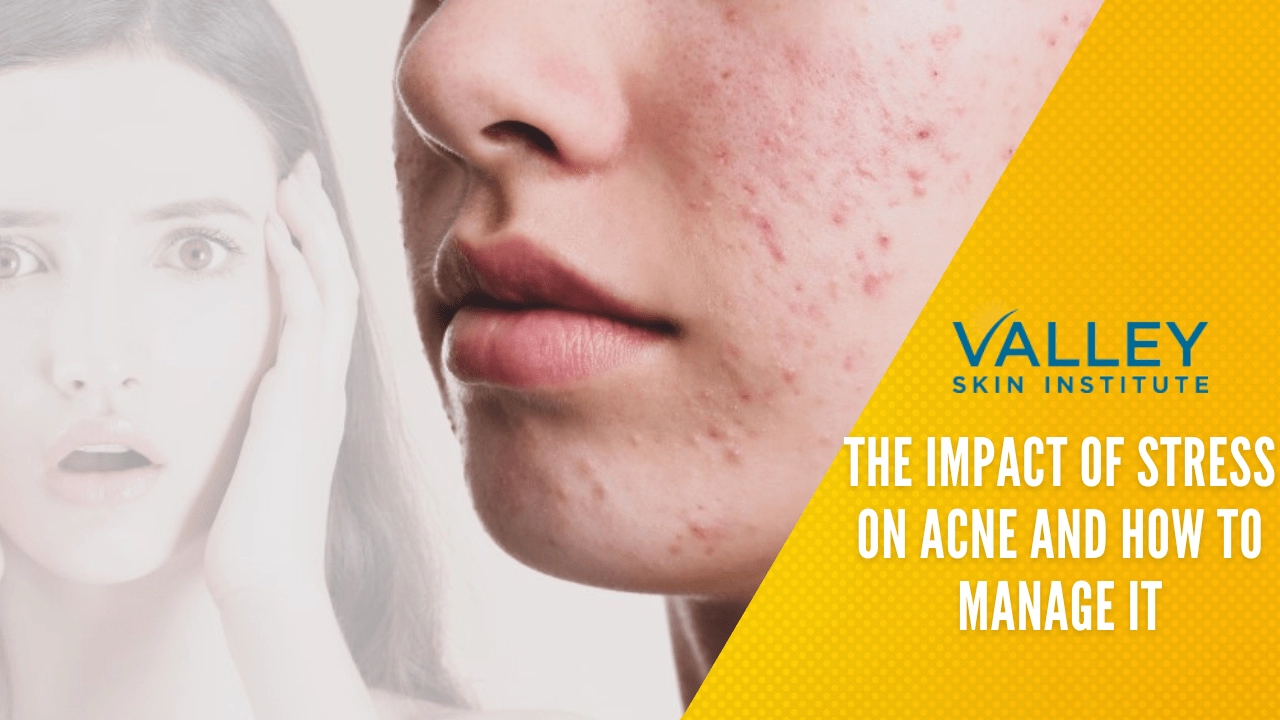
What Are Breakouts and Why Do They Happen?
Breakouts, commonly known as acne vulgaris, are skin eruptions caused by clogged pores. These clogged pores often appear as blackheads or whiteheads, also called comedones. When the blockage worsens, it can lead to red bumps known as papules, pus-filled pustules, or even deeper cysts.
Several core factors cause breakouts:
- Excess sebum production: Overactive oil glands create more oil than skin needs.
- Dead skin cells: When these build up, they block pores.
- Bacteria: Propionibacterium acnes (often called acne bacteria) thrive in clogged pores.
- Inflammation: The body’s immune response can cause swelling and redness around spots.
Breakouts usually target oily and sweat-prone areas, especially the face—including the T-zone (forehead, nose, and chin), jawline, and chin. They can also occur on the chest and back, where there are many oil glands.
Understanding these causes helps you tackle stress acne and manage acne flare-ups more effectively.
The Science Behind Stress and Breakouts
Stress directly impacts your skin through the activation of the hypothalamic-pituitary-adrenal (HPA) axis. When stressed, your body releases hormones like cortisol and corticotropin-releasing hormone (CRH), which set off a chain reaction affecting your skin’s health. These hormones increase androgen levels, leading to excess sebum production, a key factor in stress acne. More oil means clogged pores and more breakouts.
Stress also triggers inflammation and weakens the skin barrier, making it harder for your skin to heal and defend itself. Research shows that during high-pressure times—like exam stress—people often see a clear rise in acne flare-ups. Neurotransmitters like substance P and other neuropeptides are involved in this process, intensifying inflammation and worsening stress pimples.
Understanding this link between cortisol and acne helps explain why managing stress is so important in preventing those stubborn flare-ups. For those looking to maintain healthy, clear skin, combining stress management with a thoughtful skincare routine is the way to go.
Signs It\’s Stress-Related Breakouts
Stress-related breakouts usually flare up during or right after stressful events, like work deadlines or exams. These stress pimples typically show up as inflamed, red bumps, often in oily areas like the T-zone, chin, or jawline. Unlike hormonal breakouts that might appear in predictable cycles or bacterial acne that can be more widespread, stress acne tends to be more sudden and linked directly to your stress levels.
It’s important to recognize this pattern because stress breakouts can create a vicious cycle: feeling stressed triggers the flare-up, and dealing with pimples can increase anxiety, which then worsens your skin condition. Paying attention to when and where your acne appears helps you link breakouts to stress and manage them better, rather than confusing them with other types of acne.
If you want to keep your skin calm during these times, incorporating gentle skincare routines and managing lifestyle stressors is key to breaking this cycle and improving both your skin and overall wellbeing. For more on calming your skin, check out some summer-friendly options in my summer skincare favourites.
Factors That Amplify Stress-Induced Breakouts
Stress alone can trigger breakouts, but certain lifestyle habits make stress acne worse. Poor sleep, for example, messes with your body’s ability to regulate hormones like cortisol, which increases sebum production and inflammation skin. Lack of quality sleep also slows down skin healing, leaving you vulnerable to longer-lasting acne flare-ups.
Unhealthy eating habits, especially diets high in sugar and dairy, can amplify inflammation and contribute to blocked pores. These foods often worsen adult acne stress by encouraging excess oil and bacterial growth. Adding to this, frequent face-touching and picking at pimples spread bacteria and irritate the skin barrier, creating more stress pimples and prolonging breakouts.
A sedentary lifestyle plays its part too. Lack of exercise limits circulation and natural stress relief, letting tension build up and making it harder to manage stress acne. On top of this, ignoring your skincare routine or over-washing can damage your protective skin barrier, increasing the chance of flare-ups.
To manage stress-induced breakouts better, it’s key to focus on balanced meals and consistent skincare. For some helpful tips on maintaining clear skin through diet, check out this detailed breakdown of the link between diet and clear skin. Practicing good habits can keep that vicious cycle of acne and stress from escalating.
How to Prevent and Manage Stress Breakouts
Managing stress acne starts with reducing stress itself. Techniques like mindfulness, meditation, yoga, and deep breathing are proven to calm the mind and lower cortisol levels, which helps control sebum production and inflammation. Regular exercise not only boosts mood but also promotes better sleep—another key factor in preventing breakouts.
Speaking of sleep, aim for consistent, quality rest to support your skin’s natural healing process and keep your hormones balanced. Effective time management and setting clear boundaries in your daily life can reduce stress triggers, minimizing acne flare-ups linked to anxiety.
Alongside lifestyle changes, maintaining daily skin care habits is essential:
- Use a gentle cleanser to avoid irritating your skin further.
- Choose non-comedogenic products that won’t clog pores.
- Keep your skin hydrated with a light moisturizer to support the skin barrier.
For tips on layering your daily products effectively, refer to this helpful guide on the correct way to layer skincare products. This ensures you get the most benefit without overwhelming your skin during stressful times.
By combining stress reduction with mindful skincare, you can keep your breakouts under control and support clearer, healthier skin.
Effective Skincare Routine for Stress Breakouts
When managing stress acne, keeping your skincare routine simple but consistent is key. In the morning and evening, start with a gentle cleanser to remove excess sebum without stripping your skin. Follow up with a lightweight, non-comedogenic moisturizer to keep your skin barrier hydrated and protected. Don’t forget to apply a broad-spectrum sunscreen every day, especially if your skin is sensitive or prone to inflammation—this helps prevent further irritation and scarring. For guidance on choosing the right sunscreen, check out this detailed guide on the best sunscreen for sensitive facial skin.
Targeted ingredients are your allies against stress pimples. Salicylic acid is excellent for unclogging pores and reducing dead skin cells, while benzoyl peroxide combats acne-causing bacteria effectively. Niacinamide is another great addition—it helps calm inflammation and supports a stronger skin barrier. However, be careful to avoid harsh scrubbing, which can worsen inflammation and trigger more breakouts. Also, steer clear of heavy, oil-based products that can increase sebum production and clog pores. Over-washing your face might feel like a good idea when stressed, but it only dries your skin out and worsens acne flare-ups.
Adopting a calm, gentle skincare routine focused on balance will give you the best chance of managing stress breakouts effectively.
Treatment Options When Breakouts Persist
If stress acne just won’t clear up, it\’s time to consider more targeted treatments to manage those stubborn flare-ups.
Over-the-Counter Remedies
- Spot treatments: Products with benzoyl peroxide or salicylic acid quickly reduce inflammation and kill acne-causing bacteria.
- Retinoids: These help unclog pores and speed up skin cell turnover, preventing new breakouts.
Professional Help
- Dermatologist topicals: Prescription creams or gels with stronger retinoids, antibiotics, or anti-inflammatory agents.
- Oral medications: For severe or cystic acne, doctors may prescribe antibiotics, hormonal treatments, or isotretinoin.
- Therapies: Light or laser treatments can reduce inflammation and bacteria, speeding up healing.
Holistic Approaches
- Gut health: Since inflammation affects skin, maintaining a healthy gut may improve acne.
- Supplements: Zinc and omega-3s are known to reduce inflammation and support skin repair—but always check with your doctor before starting any supplements.
| Treatment Type | Examples | Benefits |
|---|---|---|
| Over-the-counter | Benzoyl peroxide, salicylic acid, retinoids | Reduce bacteria, unclog pores |
| Professional | Prescription creams, oral meds, laser therapy | Target severe acne, reduce inflammation |
| Holistic | Zinc, omega-3 supplements, gut-friendly diet | Support skin health, reduce stress inflammation |
When managing adult acne stress or persistent stress pimples, combining these options under professional guidance often leads to the best results.
For a balanced skincare routine that supports clear skin under stress, check out some dermatologist insights in our post on beauty myths debunked by dermatologists.
Breaking the Cycle Long-Term
To truly manage stress acne for the long haul, building resilience is key. Practices like journaling can help you identify and understand your triggers, while therapy offers support for ongoing chronic stress. Keeping track of what flares your acne and how your skin responds over time lets you stay ahead of breakouts.
Maintaining a positive outlook—and remembering that managing both your skin and stress go hand in hand—can break the vicious cycle of acne flare-ups. When you combine consistent skincare with mindful stress management, clearer skin becomes a natural result.
For more on gentle skincare habits, explore this guide on best practices for sensitive skin care in winter, which can be useful year-round for stressed skin.
By focusing on both your mental health and daily habits, you can take control of stress pimples and enjoy healthier skin over time.