
How Much Safer Did Nails vs Nail Polish Concern Become by 2026? Current Safety Landscape and What Has Changed
By 2026, the conversation around non-toxic nail products has moved from niche to mainstream. But how much safer are nails and nail polishes today compared to just a few years ago? The short answer: safer, but with caveats.
Here’s what changed in the safety landscape:
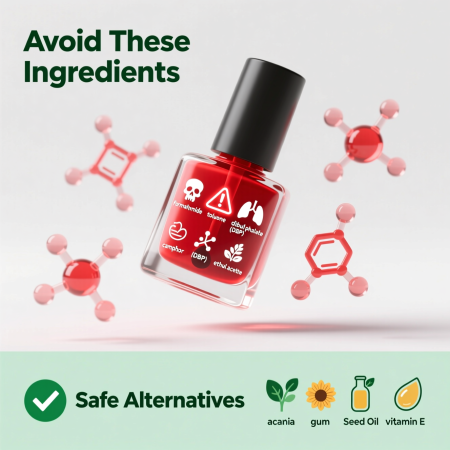
- Stricter Regulations and Reformulations: Many brands reformulated to remove well-known toxic chemicals like formaldehyde, toluene, and DBP (dibutyl phthalate). We\’ve seen wider adoption of 10-free and even 15-free nail polish standards, meaning these formulas exclude multiple hazardous ingredients.
- Better Ingredient Transparency: More companies provide full ingredient lists and clear safe nail polish certifications, such as EWG verified nail polish and other cruelty-free or vegan labels, helping consumers avoid confusing marketing jargon and nail polish greenwashing.
- Growth of Alternative Formulas: Water-based and plant-based nail polishes have gained popularity. These often reduce exposure to toxic chemicals in nail polish, yet they can trade off on longevity and finish. We’ll explore these trade-offs later in the article.
- Increased Awareness of Microplastics and Allergens: By 2026, more attention has been paid to microplastic in nail polish and how it impacts skin sensitization or allergies. Labels now often highlight phthalate-free and low-odor claims to minimize health risks.
- Persistent Concerns Remain: Despite improvements, some harmful ingredients still slip into products. Nail polish safety isn’t absolute, especially with gel nails or removers containing acetone and harsh solvents. Pregnant users, those with sensitive skin nail care, or conditions like eczema or psoriasis should remain vigilant.
In short, the gap between nail polish safety and personal health risks has narrowed—but not closed. The industry has made progress, but non-toxic nail products still require smart choices and realistic expectations. Being informed and choosing brands with trusted safety profiles is your best strategy to enjoy clean, beautiful nails in 2026.
Ingredients That Still Matter in 2026: Tiered List of Ingredients to Avoid
Even in 2026, knowing which nail polish ingredients to avoid remains key for anyone serious about non-toxic nail care. The landscape may have improved with safer formulas, but some harmful chemicals still pop up, so it helps to focus on priority levels when checking labels.
High Priority Ingredients to Avoid
These pose the greatest health and environmental risks and should be avoided completely in all nail polishes:
- Toluene: Linked to nervous system issues and respiratory irritation.
- Formaldehyde & Formaldehyde Resin: Known carcinogens causing skin sensitivity.
- Dibutyl Phthalate (DBP): Disrupts hormones; banned or restricted in many markets.
- Camphor (synthetic): Can cause nausea and dizziness at high exposure.
- Triphenyl Phosphate (TPHP): An emerging concern due to hormone disruption.
Moderate Concern Ingredients
These are less toxic but still warrant caution and lower exposure, especially for frequent users:
- Xylene: Solvent with potential respiratory effects.
- Ethyl Tosylamide: Used in some polishes; linked to allergies.
- Parabens: Preservatives with possible endocrine-disrupting effects.
- Phthalates (other than DBP): Sometimes used in trace amounts.
Lower Concern Ingredients and Marketing Flags
These may be generally safe but watch for misleading claims like “10-free” or “natural” that still allow questionable chemicals:
- Synthetic dyes or pigments that may cause irritation.
- Microplastics used as fillers or glitter—environmental impact is a growing issue.
- Fragrances and preservatives, which can trigger sensitivities in some users.
Why This Matters
Even with trends favoring 10-free or 15-free nail polish lists, make sure you check ingredient labels yourself. Brands may vary in what they exclude. For a deeper dive on clean beauty standards impacting skin and nail products, exploring articles on natural ingredients that transform your skin can also reveal helpful insights.
Staying informed on these ingredient tiers helps you pick truly non-toxic nail products that fit your safety priorities without compromising style.
Must-Avoid Ingredients in Nail Polish 2026: High Concern List
When choosing non-toxic nail products in 2026, some ingredients remain top concerns due to their health risks. Avoiding these can make a big difference in minimizing exposure to toxic chemicals in nail polish.
High Concern Ingredients to Avoid:
| Ingredient | Reason for Avoidance | Common Effects |
|---|---|---|
| Formaldehyde | Carcinogenic, respiratory irritant | Allergy, asthma, cancer risk |
| Toluene | Neurotoxin, reproductive harm | Headaches, dizziness, developmental issues |
| Dibutyl Phthalate (DBP) | Endocrine disruptor, toxic to reproduction | Hormone imbalance, birth defects |
| Camphor (synthetic) | Toxic in high amounts, causes nausea | Dizziness, skin irritation |
| Triphenyl Phosphate (TPHP) | Linked to hormone disruption and neurotoxicity | Hormonal changes, developmental concerns |
| Formaldehyde Resin | Releases formaldehyde over time | Respiratory issues, allergic reactions |
| Parabens | Potential endocrine disruptors | Skin irritation, hormone disruption |
These ingredients frequently appear in labels but are red flags for anyone seeking truly clean nail polish. Look for phthalate-free nail polish and formulas labeled 10-free or 15-free nail polish to reduce these toxins significantly.
Avoid brands that gloss over ingredient lists or rely on vague “natural” or “green” marketing claims. Nail polish greenwashing is still common, so it’s vital to decode labels carefully.
Always prioritize nail polishes that are transparent about their ingredients and certified by trustworthy organizations like EWG for safer, non-toxic formulations.
Ingredients to Avoid Completely: Moderate and Low Concern, Marketing Claims to Watch
In 2026, while some nail polish ingredients raise major red flags, there are others with moderate to low concern levels that still deserve your attention. These ingredients might not be outright banned, but avoiding them helps keep your nail care truly non-toxic. Here’s what to watch for:
Moderate Concern Ingredients to Skip:
- Toluene: Though often replaced, some brands still use this solvent, known for respiratory irritation and headaches.
- Formaldehyde Resin: Different from formaldehyde itself, this can cause skin sensitivity and allergic reactions.
- Camphor: High amounts can be toxic, especially if used frequently or during pregnancy.
- Xylene: A volatile solvent sometimes found in cheaper formulas, linked to dizziness and skin irritation.
Low Concern Ingredients to Consider:
- Synthetic Dyes and Pigments: Some may contain trace heavy metals or microplastics. While generally safe in small amounts, they can contribute to environmental concerns.
- Fragrances: Added scents can trigger allergies or skin sensitivity, especially for sensitive skin nail care.
Marketing Claims to Watch Out For
The nail polish world is filled with buzzwords, but not all are trustworthy. Be cautious about vague terms like:
- “Natural” or “Organic” without certification — they don’t guarantee safety.
- “Non-toxic” without indicating which toxins are avoided or verified by third parties.
- “Water-resistant” or “Long-lasting” claims that might rely on more chemicals.
- “10-free,” “15-free,” or “n-free” labels — these vary by brand on what’s excluded. Always check ingredient lists since no standard definition exists.
Choosing truly clean nail polish means looking beyond marketing fluff to ingredient transparency. For reliable safer nail polishes, consider independent certifications like EWG verified nail polish or phthalate-free nail polish labels, helping you avoid hidden toxic chemicals in nail polish.
For more on staying safe with nail care products, check our tips for choosing the best clean nail polish brands 2026 to avoid microplastic in nail polish and greenwashing.
Most Concerning Ingredients Found in Labels & Brands 2026: Decoding Risk and Realistic Claims
In 2026, spotting the most concerning ingredients on nail polish labels remains key to non-toxic nail care. Despite progress, many brands still include chemicals linked to health risks, often wrapped in marketing that can confuse buyers. Understanding realistic claims versus greenwashing helps us choose safer options.
Top Ingredients Raising Red Flags in 2026
- Phthalates (especially DBP) – Known endocrine disruptors, still sometimes present despite “phthalate-free” claims. Watch out for vague labeling.
- Formaldehyde and Formaldehyde Releasers – Used for durability but linked to irritation and cancer risk.
- Toluene – Solvent that affects the nervous system; still found in budget formulas.
- Camphor – Can cause allergic reactions and dizziness in high doses.
- Triphenyl Phosphate (TPHP) – An emerging concern due to hormone interference.
- Microplastics – Increasingly common as fillers or glitters, raising environmental and health concerns.
Decoding Marketing Claims
- Labels like “10-free” or “15-free” nail polish indicate removal of specific harmful chemicals but not all. Always check the full ingredient list.
- Terms like “natural” or “plant-based” don’t guarantee safety; some plant-derived ingredients may still cause allergies.
- Certifications like EWG Verified or Vegan Cruelty-Free offer clearer safety guidance — look for these to bypass marketing fuzz.
Realistic Risks to Keep in Mind
- Even “safe” nail polishes can cause skin sensitivity or allergic reactions depending on your individual skin type.
- Longevity and durability often trade off with reduced chemical use; some safer options chip faster but limit toxic exposure.
- Always verify if removers and treatments paired with these brands maintain a non-toxic profile to avoid hidden hazards.
For more on ingredient decoding and finding truly clean nail polish brands in 2026, it helps to stay updated on evolving green beauty nail trends 2026 and safety guidelines.
By actively reading labels and understanding risk, you can navigate the crowded market of nail polish ingredients to avoid and make safer choices that suit your health and values.
Performance and Trade-Offs in Water-Based & Plant-Based Nail Polishes
Water-based and plant-based nail polishes are gaining ground in the non-toxic nail care market in 2026, offering cleaner alternatives to traditional formulas. These types typically avoid harsh solvents and toxic chemicals, making them popular among those seeking phthalate-free nail polish or vegan cruelty-free options.
Pros:
- Lower toxicity: Water-based nail polishes usually have low odor and fewer harmful chemicals, making them safer for sensitive skin nail care and ideal pregnancy safe nail polish options.
- Eco-friendly: Plant-based formulas often use renewable ingredients and avoid microplastic in nail polish, aligning with clean beauty nail trends 2026.
- Gentler removers: They often require milder nail polish remover alternatives, which are less damaging to nails and skin.
Cons:
- Durability issues: These polishes may chip faster and lack the longevity of traditional or gel nail formulas, meaning a trade-off between nail polish longevity vs safety.
- Finish and color range: Sometimes, the finish can be less glossy or vibrant, and the color variety may be limited compared to classic nail polishes.
- Application challenges: Water-based polishes often require more coats for full coverage and longer drying times, which can test patience during a quick non-toxic manicure.
Realistic Expectations:
- If you prioritize non-toxic nail products and reducing exposure to toxic chemicals in nail polish, water and plant-based options are solid picks.
- However, understand these formulas may not match the lasting power or shine of traditional polishes or gel nails, especially for those needing long wear.
- Checking for safe nail polish certifications like EWG verified nail polish can help confirm the product’s safety claims.
Choosing between performance and safety means weighing your personal priorities. For everyday nail care, these cleaner formulas are a strong step forward. For special occasions, you might want to balance with longer-lasting options while still avoiding the worst nail polish ingredients to avoid.
For an insider take on ingredient risks and brand transparency, you might find helpful insights about safe nail polish choices on detailed beauty guides like Clarins Delicious Self Tan.
Special Situations in Non-Toxic Nail Care: Pregnancy, Sensitive Skin, Psoriasis, and Gel Nail Cautions
When it comes to non-toxic nail products, certain situations call for extra care, especially in 2026. If you’re pregnant, your body is more sensitive to chemicals, so choosing pregnancy-safe nail polish that is phthalate-free and free from toluene or formaldehyde is vital. These ingredients are common toxic chemicals in nail polish that should be avoided to minimize risk for both you and your baby.
For those with sensitive skin or conditions like psoriasis, it’s important to select non-toxic manicure tips that focus on gentle, low odor nail polish and formulas without known irritants such as camphor or parabens. Always test a small patch before full application. Checking out specialized advice in best practices for sensitive skin care this winter can offer useful skincare tips to complement your nail routine.
If you have psoriasis, be extra cautious since nail polish can exacerbate symptoms. Look for products labeled safe nail polish for eczema or psoriasis, which often avoid harsh chemicals and include moisturizing ingredients. Consider skipping nail polish during flare-ups to allow nails to heal.
Gel nail polish remains popular but carries unique risks for those prioritizing non-toxic nail care. Gel manicures often use UV light curing and contain methacrylates, which can cause allergic reactions and skin sensitivity. In 2026, safer alternatives like water-based gel polishes and less harsh curing methods are surfacing, but it’s wise to limit gel use if you have sensitive skin or chemical sensitivities.
In all these cases, prioritize nail care brands that emphasize transparency, cruelty-free ingredients, and certifications like EWG verified nail polish. This helps ensure you avoid hidden toxic chemicals in nail polish while maintaining nail health.
By tailoring your nail product choices to these special situations, you can enjoy safer, cleaner nail care without compromising on style or health.
How to Spot Real Clean Nail Polish Brands in 2026
With more brands jumping on the non-toxic nail products trend, it’s crucial to know how to separate genuinely clean nail polish brands from greenwashed ones. Here’s what to look out for in 2026:
- Certifications Matter: Trusted seals like EWG Verified, Leaping Bunny (for cruelty-free), and USDA Organic give confidence that the polish meets strict safety and ethical standards. Look for “phthalate-free nail polish” labels as well, which indicate the absence of harmful plasticizers.
- Transparency is Key: Brands that openly disclose their full ingredient list and explain any trade-offs are more reliable. Avoid products with vague terms like “natural” or “non-toxic” without clear proof.
- Removers & Treatments: A truly clean nail care routine includes safe removers—preferably acetone-free or enriched with natural oils—and nourishing treatments. Some brands offer non-toxic base and top coats that boost performance without harsh chemicals.
- Look Beyond Marketing: Terms such as “10-free nail polish” or “15-free nail polish” can be helpful, but confirm which ingredients are actually excluded. Beware of brands using buzzwords without backing them up.
Choosing brands with strong, verified claims helps reduce exposure to toxic chemicals in nail polish while supporting clean beauty nail trends in 2026. For tips on picking safe cosmetics overall, check out this guide on how to choose cruelty-free cosmetics without compromise.
Home Manicure Safety Checklist 2026: Key Questions and Ventilation Tips
Doing your own nails at home is convenient, but safety should always come first—especially with non-toxic nail products evolving in 2026. Here’s a quick checklist to help you minimize exposure to any harmful chemicals and keep your manicure experience clean and safe.
Key Questions to Ask Before Starting:
- Is my nail polish really non-toxic? Look for 10-free or 15-free nail polish labels and avoid common nail polish ingredients to avoid, like formaldehyde, toluene, and dibutyl phthalate.
- Am I using proper nail polish remover alternatives? Many traditional removers have harsh chemicals—go for acetone-free or natural removers when possible.
- Are my tools clean and sanitized? Clean tools reduce the risk of infections or skin irritation, especially for sensitive skin nail care.
- Do I have time to let my nails dry fully? Rushing drying compromises nail polish longevity and can increase inhalation of fumes.
- Is my space well-ventilated? Adequate airflow is critical to reduce breathing in toxic chemicals in nail polish, even from water-based or plant-based formulas.
Ventilation Tips for Safer Home Manicures:
- Open windows and use a fan to keep air moving.
- Work near an air purifier that can filter out VOCs (volatile organic compounds).
- Avoid small, enclosed spaces where fumes build up easily.
- Take breaks when applying multiple coats or layers to limit continuous exposure.
Keeping these simple safety steps in mind means you can enjoy clean beauty nail trends 2026 with less risk. For a deeper look at safe polish brands and removers, you might find insights in my favourite hair styling tips, where I touch on clean beauty habits that go beyond just nails.
By following this home manicure safety checklist, you’re making smarter choices for non-toxic manicure tips that suit your lifestyle and health concerns.
Realistic Expectations for Non-Toxic Nail Care
Non-toxic nail care in 2026 has come a long way, but it’s important to keep realistic expectations. Clean nail polish brands and formulas focus on minimizing toxic chemicals, but no product is 100% risk-free. Here’s how to reduce exposure during use and storage while enjoying safer nail care:
- Use in well-ventilated spaces: Even low odor nail polish emits some fumes, so open windows or use fans to keep the air flowing.
- Limit application frequency: Give your nails a break between manicures to reduce prolonged contact with any chemicals.
- Store polishes properly: Keep them in a cool, dark place, tightly sealed to prevent ingredient breakdown or added fumes.
- Choose remover alternatives: Opt for acetone-free or gentle nail polish remover formulas to avoid harsh chemicals that can irritate nails and skin.
- Check labels for certifications: Look for EWG verified nail polish or phthalate-free nail polish for added safety.
- Be mindful of product shelf life: Nail polishes can change chemically over time, so avoid using old products to limit unexpected exposure.
By following these best practices, you can enjoy the benefits of non-toxic nail products without sacrificing your health. For sensitive skin or allergy concerns, always patch test new products and watch for irritation. This realistic approach helps balance nail polish longevity vs safety, ensuring a happy middle ground in your nail care routine.
Quick Decision Framework for Choosing Non-Toxic Nail Products
Choosing non-toxic nail products in 2026 boils down to balancing price, safety, and your personal needs. Here’s a quick framework to help you decide without getting overwhelmed:
-
Set Your Safety Priority
Decide how much avoiding toxic chemicals matters to you. If you want to minimize exposure to phthalates, formaldehyde, or other harmful ingredients, look for 10-free or 15-free nail polish formulas and certifications like EWG verified nail polish. These tend to cost a bit more but offer peace of mind.
-
Consider Your Budget
Clean nail polish brands 2026 vary widely in price. Water-based and plant-based options usually come at a premium but deliver fewer chemical concerns. If budget is tight, focus on brands that at least avoid the most concerning ingredients, even if they don’t meet the highest “free from” standards.
-
Evaluate Performance Expectations
Nail polish longevity vs safety is often a trade-off. You might need to compromise on wear time with safer, low odor nail polish options. For busy users, this matters; for those prioritizing health over long wear, safer but shorter-lasting polishes work well.
-
Buyer Type Insights
Fast Decisions: Choose simple “free from” labels with trusted certifications to avoid deep research.
Long Wear Lovers: Expect some trade-offs or be ready to retouch more often with clean nail polish formulas.
Allergy Concerns: Prioritize non-toxic manicure tips and hypoallergenic options, avoiding known irritants.
Budget Shoppers: Focus on the must-avoid ingredients list and pick affordable brands that skip high concern chemicals.Check Packaging and Transparency
Look for clear ingredient lists and safety claims that aren’t greenwashing. Transparency matters when avoiding toxic chemicals in nail polish.
Following this quick decision framework can save you time and frustration, helping you pick non-toxic nail products that fit your lifestyle and budget while staying safe.
For more on navigating clean beauty trends and choosing effective products, you might find helpful tips in resources like my favourite products from clini that focus on clear ingredient benefits.
Recommended Approaches for Different Buyer Types in Non-Toxic Nail Care 2026
Choosing non-toxic nail products in 2026 depends a lot on your priorities — whether it’s speed, durability, allergy concerns, or budget. Here’s a simple guide tailored for common buyer needs:
| Buyer Type | Priority | Recommended Nail Polish Type | Key Tips | Notes |
|---|---|---|---|---|
| Fast Decisions | Quick application & dry | 10-free or 15-free quick-dry formulas | Look for low odor, easy removal options | Avoid complex water-based polishes that can take longer to dry |
| Long Wear Lovers | Durability & chip resistance | Hybrid or gel alternatives (with caution) | Use non-toxic gel options or multi-layer clean polishes | Mind gel nail safety and check ingredients closely |
| Allergy Sensitive | Avoid irritants & allergens | Fragrance-free, phthalate-free, vegan cruelty-free polishes | Patch test before full use, opt for EWG verified products | Check for sensitive skin nail care claims carefully |
| Budget Buyers | Affordable & safe | Basic 10-free or 15-free polishes with good online reviews | Avoid overly marketed “greenwashed” brands that charge more | Focus on transparency and ingredient lists |
Quick Tips for Buyer Priorities
- Fast Drying: Non-toxic quick-dry formulas help when you’re short on time but don’t expect extreme durability.
- Longevity: Trade-offs exist; longer-lasting polishes can contain more traditional chemicals, so pick carefully.
- Allergy Concerns: Even \’clean\’ brands can trigger reactions. Prioritize fragrance-free and hypoallergenic labels.
- Budget: Clean nail polish doesn\’t have to break the bank—look for brands with clear ingredient info, avoiding greenwashing marketing hype.
A good starting point is to check verified lists of clean nail polish brands 2026 with solid performance reputations.
Balancing price, safety, and use-case needs makes your nail care both effective and worry-free in 2026.
Top Clean Nail Polish Brands and Formulas 2026: Brand Snapshot and Performance Highlights
In 2026, clean nail polish brands continue to raise the bar with formulas that balance safety, performance, and environmental impact. Here’s a quick snapshot of top non-toxic nail products making waves globally:
- Brand A: Known for its 15-free nail polish, this brand prioritizes vegan, cruelty-free ingredients and offers long-lasting wear without the typical toxic chemicals in nail polish. Their water-based range is a hit for those wanting a low-odor, quick-dry option with decent durability.
- Brand B: A standout for pregnancy-safe nail polishes, it’s phthalate-free and EWG verified, reassuring buyers concerned about sensitive skin and allergy triggers. It leans heavily on plant-based ingredients but may trade off some chip resistance compared to traditional formulas.
- Brand C: Excelling in the 10-free nail polish category, this brand blends performance and affordability. It’s a smart pick if budget is a priority alongside clean beauty nail trends 2026. Their remover alternatives are gentle, helping reduce exposure to acetone-based products.
- Brand D: This brand pioneers microplastic-free, toxin-conscious formulas designed with gel nail safety in mind. Its certifications include multiple safe nail polish certifications, underscoring transparency and clean ingredient sourcing.
Performance Highlights:
- Longevity: Most clean formulas now offer 5-7 days of chip resistance, with some plant- or water-based options providing a solid balance between wear and safety.
- Finish: Matte and glossy finishes are widely available, though expect some natural nail polish ingredients to behave differently than conventional polish (e.g., slower drying or less shine).
- Safety: Verified labels and full ingredient disclosure remain essential for spotting true clean brands. Watch out for greenwashing where “natural” marketing overshadows hidden toxic chemicals.
If you want to dig deeper into clean beauty routines or nourishing your nails post-manicure, similar to approaches in skin care, brands that follow transparent labeling and ingredient safety will remain your best bet. For example, exploring Bobbi Brown Skin Nourish Masque can complement your overall clean beauty goals with nail care routines.
Overall, 2026’s top clean nail polish brands serve a global audience looking for a smart balance of safety, durability, and eco-friendly options—ensuring your manicure is both beautiful and free from the most concerning ingredients.
Checklist for Informed Non-Toxic Nail Care Purchases
When choosing non-toxic nail products in 2026, keep these key takeaways in mind to make safe, smart decisions:
Key Decision Takeaways
- Check ingredient lists carefully: Avoid known harmful substances like toluene, formaldehyde, DBP, and camphor. Look for “10-free” or “15-free” labels as a starting point but verify the full details.
- Prefer water-based or plant-based formulas when possible, but be aware of trade-offs with longevity and finish.
- Verify certifications: Look for EWG Verified, cruelty-free, vegan, or other reputable safe nail polish certifications for better assurance.
- Consider your personal needs: Pregnancy safe nail polish, formulas for sensitive skin or eczema, and gel nail alternatives should be prioritized based on individual health concerns.
- Prioritize transparency: Brands that share full ingredient info and clear safety testing stand out and reduce nail polish greenwashing risk.
- Balance price and safety: Cheaper options may cut corners; investing in clean nail polish brands for reliable safety and performance is often worth it.
Packaging Red Flags to Avoid
- Vague ingredient terms: Watch out for labels listing “fragrance,” “aroma,” or “parfum” without disclosure; these can hide toxic chemicals.
- Misleading marketing claims: Terms like “natural” or “non-toxic” aren’t always regulated—always cross-check ingredients.
- Excessive microplastic use: Many polishes now highlight eco-friendliness, but microplastic content remains a concern for environmental and health reasons.
- Lack of certifications: No visible seals or third-party verifications can be a warning sign of insufficient safety standards.
- Opaque or non-recyclable packaging: Sustainability matters too. Packaging that can’t be recycled or is overly wasteful contradicts clean beauty claims.
By applying this checklist, you can confidently pick safer, non-toxic nail care products that align with your health needs and values.
Remember: non-toxic nail care doesn’t mean perfect or permanent—it\’s about smart choices to minimize exposure to toxic chemicals without compromising style or health.