
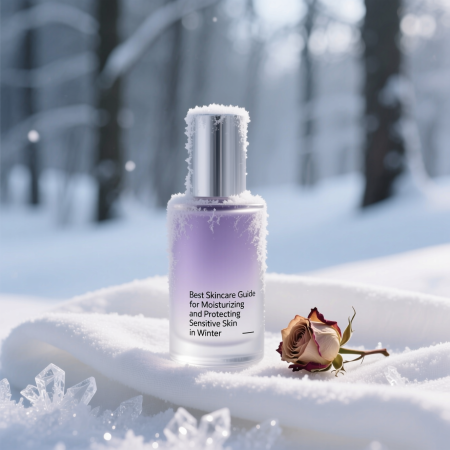
Winter can be harsh on sensitive skin, leaving it dry, irritated, and red. If you’ve noticed your skin feeling tight or flaky as the cold sets in, you’re not alone—and there’s a smart way to fight back. Best practices for sensitive skin care this winter focus on protecting your skin barrier, boosting hydration, and avoiding common pitfalls that worsen sensitivity. In this guide, you’ll discover dermatologist-approved tips and simple routine changes to keep your skin calm, nourished, and shielded all season long. Let’s dive in!
Understanding Winter\’s Impact on Sensitive Skin
Winter can be tough on sensitive skin, and understanding why helps you protect it better. Cold weather significantly increases transepidermal water loss, which means your skin loses moisture faster than usual. This dehydration weakens your skin’s natural barrier, leaving it dry, flaky, and prone to irritation.
Indoor heating also plays a big role. Heated air indoors is often very dry, which further strips your skin of essential moisture. On top of that, cold wind outside acts like a harsh barrier, increasing redness and sensitivity by irritating the already fragile skin surface.
Sensitive skin is especially vulnerable during winter because it usually has a thinner skin barrier that reacts strongly to environmental changes. This makes it easier for cold, wind, and dry air to cause discomfort, itching, or flare-ups. By recognizing these factors, you can take simple steps to support your skin’s barrier and keep it calm all winter long.
Essential Adjustments to Your Cleansing Routine
Winter calls for gentle changes to your cleansing routine, especially if you have sensitive skin. Switch to fragrance-free cream or milk cleansers, which clean without stripping your skin\’s natural oils. Avoid hot water—it can dry out and irritate sensitive skin further. Instead, opt for lukewarm showers limited to about 10 minutes to protect your skin’s moisture barrier.
Try to cleanse only once a day, preferably in the evening, to remove the day’s buildup without over-drying. On non-essential areas, simply rinsing with water or using a gentle splash without soap can help maintain your skin’s natural protection. This balance helps keep your skin hydrated and less reactive during the colder months.
Building a Hydrating and Protective Skincare Routine
To keep sensitive skin hydrated and shielded during winter, your routine needs thoughtful adjustments for both morning and evening.
Morning Routine:
- Use a gentle cleanser designed for sensitive skin to remove impurities without stripping moisture.
- Apply a hydrating serum with hyaluronic acid or niacinamide to boost hydration and soothe irritation.
- Follow with a rich barrier repair moisturizer packed with ceramides or glycerin to restore and protect your skin’s natural barrier.
- Finish with a broad-spectrum SPF 30+ mineral-based sunscreen, essential even in cold weather to protect against UV damage and prevent dryness.
Evening Routine:
- Switch to a creamy, fragrance-free cleanser that gently cleanses without disrupting your skin’s protective layer.
- Use a soothing serum or targeted treatment containing ingredients like centella asiatica or allantoin to calm redness or sensitivity.
- Apply a thicker cream or balm moisturizer for overnight hydration; if your skin feels extra dry, layering a facial oil can add an extra moisture boost.
- Don’t forget targeted care for delicate areas like eyes and lips, often prone to dryness in winter.
By building a skincare routine focused on hydration and barrier repair, you’ll keep winter’s harsh effects at bay. For those interested in makeup that complements sensitive skin care, exploring a favorite collection of eyeliners can add subtle flair without irritation.
Key Ingredients to Prioritize (and Avoid)
For sensitive skin this winter, focus on ingredients that boost hydration and repair your skin barrier. Ceramides are essential—they help restore the skin’s natural barrier that cold weather often weakens. Hyaluronic acid and glycerin are excellent for locking in moisture, while niacinamide soothes irritation and redness. Shea butter and petrolatum offer rich hydration and protection, sealing in moisture effectively.
In addition, calming ingredients like allantoin and centella asiatica help reduce inflammation and support sensitive skin\’s comfort during harsh conditions.
On the flip side, avoid anything that can trigger irritation or dryness like fragrances, alcohol, harsh exfoliants such as glycolic acid, and essential oils. These can strip your skin or cause flare-ups, especially in cold, dry weather.
For a deeper look at nourishing, barrier-focused skincare, check out products like the Bobbi Brown Extra Repair Serum, designed with sensitive skin in mind.
Choosing the right combination of these ingredients can make a huge difference in how your skin handles winter’s challenges.
Daily Moisturizing and Barrier Protection Tips
To keep your sensitive skin hydrated this winter, always apply moisturizer to damp skin right after your shower. This helps lock in moisture better, preventing dry skin in cold weather. Swap out light lotions for thicker creams or occlusive products like petrolatum to create a strong barrier that protects against harsh winds and indoor heating.
Don’t forget to give special attention to often-neglected areas such as your hands, neck, and lips. These parts tend to lose moisture quickly and can show signs of dryness or irritation faster. Using rich, barrier-repair moisturizers with ingredients like ceramides and shea butter on these spots can make a big difference in comfort and protection.
By prioritizing these daily moisturizing habits, you’ll maintain a healthier skin barrier and reduce sensitivity throughout the colder months. For extra glow while protecting your skin, consider layering your routine with products highlighted in the Bobbi Brown Skin Nourish Mask that focus on deep hydration and barrier repair.
Lifestyle Habits to Support Sensitive Skin in Cold Weather
Supporting sensitive skin in winter goes beyond skincare products—it’s about daily habits that protect and nurture your skin. Here are key lifestyle tips to keep your skin calm and hydrated during cold weather:
- Run a humidifier indoors to maintain 40-50% humidity. This helps reduce dry air caused by indoor heating, which can otherwise strip moisture and worsen dry skin in cold weather.
- Stay hydrated by drinking water consistently throughout the day. Internal hydration supports your skin’s barrier and keeps it resilient against winter’s harshness.
- Protect exposed skin by wearing gloves, scarves, and hats made from breathable fabrics like cotton or bamboo. Covering your hands and face shields sensitive skin from wind and cold, known triggers of redness and irritation.
- Limit exfoliation to gentle and infrequent methods. Over-exfoliating with harsh scrubs or acids can damage your skin barrier and lead to flare-ups, especially when skin is already sensitive and dry. Stick to mild exfoliants and use them only once every 1-2 weeks.
These lifestyle habits complement your winter skincare routine sensitive skin needs, helping to maintain a healthy, protected barrier all season long. For more tips on soothing irritation and protecting your skin barrier, check out this guide on how to get that summer glow—some principles apply year-round, including hydration and barrier repair.
Special Care for Common Winter Concerns
Winter often brings common issues like chapped lips and dry hands, especially for sensitive skin. To protect your lips, use a rich balm with ingredients like petrolatum or shea butter, and reapply frequently throughout the day. For dry hands, choose a thick barrier repair moisturizer and wear gloves when outside to lock in moisture and shield from harsh winds.
Redness and flare-ups caused by conditions like rosacea or eczema can worsen in cold weather due to skin barrier disruption and sensitivity. When you notice increased irritation, switch to soothing products with niacinamide or centella asiatica and avoid any potential triggers like fragrances or harsh exfoliants.
If these issues persist despite your winter skincare routine, it’s wise to consult a dermatologist. Professional advice can help tailor treatments for eczema flare winter symptoms or ongoing redness, ensuring your sensitive skin stays calm and protected. For more ideas on seasonal skincare protection, you might also find helpful tips within this special gift Christmas collection, which includes nourishing products great for sensitive skin during colder months.