
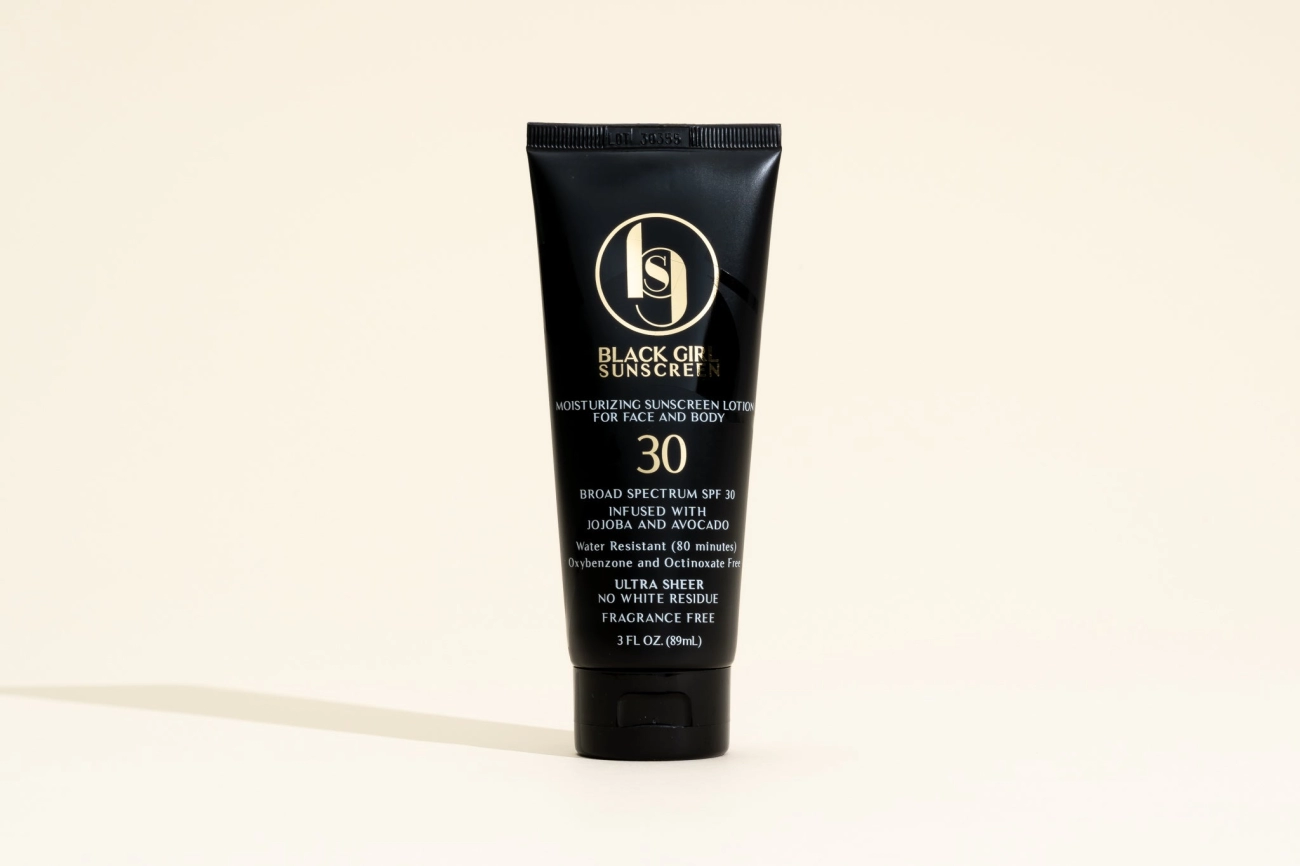
Understanding Sensitive Facial Skin and Sun Protection Needs
Sensitive facial skin is delicate and easily irritated, requiring special care—especially when it comes to sun protection. Common triggers include fragrances, certain chemical filters, alcohols, and heavy textures that can cause or worsen reactions. These ingredients often lead to redness, flare-ups of rosacea, eczema, or acne-prone skin breaking out.
The face is particularly vulnerable because its skin is thinner and more exposed to daily environmental stressors compared to the body. Plus, many of us layer makeup on top, which can interact with sunscreen ingredients, potentially increasing irritation. This is why choosing a dermatologist recommended facial SPF that’s specifically formulated for sensitive skin is crucial.
A good sunscreen for sensitive facial skin should avoid harsh irritants while offering strong, broad-spectrum protection to keep skin safe without provoking discomfort or worsening conditions.
Mineral vs. Chemical Sunscreens: Which Is Better for Sensitive Skin?
When it comes to sunscreen for sensitive facial skin, the choice often boils down to mineral (physical) versus chemical sunscreens. Here’s a quick breakdown:
| Feature | Mineral Sunscreens | Chemical Sunscreens | Hybrid Options |
|---|---|---|---|
| Active Ingredients | Zinc oxide, titanium dioxide | Avobenzone, oxybenzone, octinoxate | Combination of mineral + chemical |
| How They Work | Sit on the skin surface and reflect UV rays | Absorbed into the skin, converting UV into heat | Mix of reflection and absorption |
| Irritation Risk | Low – less likely to cause redness or stinging | Higher – some chemicals can irritate sensitive skin | Moderate depending on formulation |
| Protection Timing | Immediate protection upon application | Need 15-20 minutes to activate | Varies with formula |
| Suitability | Ideal for rosacea, eczema, acne-prone skin | May worsen redness or cause breakouts | Sometimes suitable if mineral content is high |
| White Cast | Can cause visible white cast (varies) | Usually invisible on skin | Reduced white cast compared to pure mineral |
Mineral sunscreens rely on zinc oxide and titanium dioxide, which act as tiny shields sitting on top of the skin, bouncing UV rays away. This makes them less irritating and gentle enough for sensitive, rosacea-prone, or acne-prone skin types. Plus, they offer immediate broad-spectrum SPF protection without waiting time.
Chemical sunscreens absorb UV rays and transform them into heat, but some ingredients like oxybenzone or octinoxate can trigger irritation or allergic reactions in sensitive skin. They also need about 15-20 minutes to become effective after application, which means less instant defense.
There are hybrid sunscreens that combine minerals and chemicals, aiming to balance protection and feel. While they may work for mildly sensitive skin, dermatologists usually recommend sticking to 100% mineral sunscreens for those with reactive or easily irritated skin.
For detailed guidance on creating gentle skincare layers with SPF, check out this helpful guide on how to build a simple skincare routine for beginners.
In , if you have sensitive facial skin, a mineral sunscreen sensitive skin formula is more reliable and less likely to cause irritation than chemical-based options.
Key Features to Look For in the Best Sunscreen for Sensitive Facial Skin
When choosing the best sunscreen for sensitive facial skin, focus on these must-have features to protect and soothe your skin without irritation:
| Feature | Why It Matters | Look For |
|---|---|---|
| Broad-spectrum SPF 30+ (ideally 50+) | Protects against UVA & UVB rays, crucial for daily use | SPF 50+ with gentle broad spectrum SPF specifically designed for the face |
| Fragrance-free, hypoallergenic | Avoids common irritants that can trigger redness or eczema | Sunscreens labeled fragrance free sunscreen face and hypoallergenic facial sunscreen |
| Non-comedogenic | Prevents clogged pores and acne flare-ups | Non comedogenic sunscreen sensitive skin formula |
| Lightweight, non-greasy texture | Comfortable under makeup; won’t feel heavy or sticky | Lightweight sunscreen acne prone sensitive skin types benefit most |
| No white cast | Especially important for medium to deeper skin tones | Zinc oxide sunscreens with no white cast effect |
| Soothing ingredients | Calms skin and strengthens the skin barrier | Look for niacinamide, ceramides, hyaluronic acid, and aloe to reduce irritation |
| Tinted options | Adds light coverage and extra protection from visible light | Great for rosacea-prone skin; provides a best tinted sunscreen sensitive skin choice |
| Water resistance | Maintains protection during sweat or light water exposure | Helps keep your sunscreen effective throughout the day |
| Makeup compatibility | Blends well without pilling or interfering with foundation | Ideal for layering under your daily makeup routine; see tips on a dewy foundation for glowing skin for a smooth finish |
| Reef-safe and clean formulations | Environmentally friendly and free of harsh chemicals | Gentle on skin, gentle on the planet; consider reef safe mineral face sunscreen options |
Prioritizing these features ensures you’re using a sun protection that cares for your sensitive facial skin daily—without irritation or discomfort. For more gentle skincare routines, check out natural products featuring 10 natural ingredients that transform your skin to complement your sunscreen choice.
How to Choose and Test Sunscreen for Your Sensitive Face
Choosing the best sunscreen for sensitive facial skin requires careful testing and awareness of your unique skin needs. Here’s how to get it right:
Patch Testing Tips
- Apply a small amount of sunscreen on your inner forearm or behind the ear.
- Wait 24-48 hours to see if redness, itching, or irritation appears.
- If reaction-free, try applying a small spot on your face for another 24 hours before full use.
Consider Skin Type Overlaps
Sensitive skin often overlaps with other concerns like:
| Skin Type | Sunscreen Considerations |
|——————-|————————————————————-|
| Dry | Look for moisturizing, soothing ingredients (ceramides, hyaluronic acid). |
| Oily / Acne-Prone | Go for lightweight, non-comedogenic, oil-free, anti irritation facial sunscreen. |
| Rosacea-Prone | Choose 100% mineral sunscreen with zinc oxide or titanium dioxide for gentle protection. |
Daily Application & Reapplication
- Use about a teaspoon of sunscreen just for your face.
- Apply 15 minutes before heading outside.
- Reapply every 2 hours or immediately after sweating or swimming.
- Don’t skip daily use—even on cloudy days or indoors.
Layering with Skincare and Makeup
- Apply sunscreen last in your morning skincare routine but before makeup.
- Wait a minute for it to absorb, then apply makeup gently to avoid disturbing the protective layer.
- If you wear tinted sunscreen, it can double as a light foundation.
- Look for products compatible with your moisturizer—some daily moisturizers with SPF sensitive skin options combine both steps effectively.
For more tips on layering your daily routine with protective products, check out this comprehensive guide to summer skincare favourites.
Following these simple steps ensures you get reliable, gentle sun protection without irritating your sensitive face.
Top Recommendations: The Best Sunscreens for Sensitive Facial Skin in 2026
Finding the best sunscreen for sensitive facial skin means looking for products that are dermatologist-tested, editor-reviewed, and backed by solid user feedback. Below are my top picks across different categories, all chosen for their gentle, effective protection and skin-friendly formulas.
Best Overall Mineral Sunscreen
- Key ingredients: Zinc oxide and titanium dioxide
- Why it suits sensitive skin: Offers broad-spectrum SPF 50+, fragrance-free, lightweight, and non-comedogenic. Perfect for rosacea and eczema-prone skin due to its soothing, anti-irritation properties.
- Price range: Medium to high
- Pros: Immediate protection, no stinging, reef-safe
- Cons: Some formulas may leave a slight white cast
Best Tinted Sunscreen for Sensitive Skin
- Key ingredients: Zinc oxide with added iron oxides
- Why it suits sensitive skin: Tinted formulas reduce the white cast typically seen in mineral sunscreens and provide extra protection against visible light, important for redness-prone or rosacea skin. Fragrance-free and non-comedogenic.
- Price range: Mid-range
- Pros: Smooth finish, anti-redness, daily wear-friendly
- Cons: Limited shade range on some products
Best Budget/Drugstore Option
- Key ingredients: Zinc oxide-dominant mineral filters
- Why it suits sensitive skin: Affordable, widely available, fragrance-free, and non-greasy with sufficient SPF 30+ protection. Great for sensitive, acne-prone skin on a budget.
- Price range: Low
- Pros: Easy to find, good for layering with makeup
- Cons: May require reapplication more often
Best for Acne-Prone Sensitive Skin
- Key ingredients: Oil-free, non-comedogenic mineral formulas with niacinamide or ceramides
- Why it suits sensitive skin: Controls excess oil, soothes irritation, and prevents breakouts while offering broad-spectrum SPF 30+. Lightweight fluids or gels preferred for quick absorption.
- Price range: Mid to high
- Pros: Reduces acne flare-ups, no heavy feeling
- Cons: Some might feel drying if skin is very dry
Best for Rosacea/Redness-Prone Skin
- Key ingredients: Soothing ingredients like aloe, hyaluronic acid, and ceramides alongside zinc oxide
- Why it suits sensitive skin: Reduces irritation and calms visible redness, while mineral blockers protect against UV-induced flare-ups.
- Price range: Mid to high
- Pros: Gentle, hydrating, and calming
- Cons: Slightly higher price point
Best Lightweight Fluid Sunscreen
- Key ingredients: Mineral filters with hydrating, soothing add-ons
- Why it suits sensitive skin: Feels weightless and absorbs quickly, no greasy residue, ideal for layering under makeup. Fragrance-free and hypoallergenic for maximum comfort.
- Price range: Mid-range
- Pros: Comfortable all day, no clogging
- Cons: May need generous reapplication
Best Moisturizing Sunscreen for Sensitive Skin
- Key ingredients: Ceramides, hyaluronic acid, zinc oxide
- Why it suits sensitive skin: Doubles as a daily moisturizer with SPF 30+, perfect for dry, sensitive skin needing hydration and protection.
- Price range: Mid to high
- Pros: Nourishes skin while protecting
- Cons: Slightly richer texture
Best No White Cast Mineral Sunscreen
- Key ingredients: Micronized zinc oxide and iron oxides for tint
- Why it suits sensitive skin: Specially formulated for deeper skin tones needing invisible protection without irritation or residue.
- Price range: Mid-range
- Pros: Clean finish, broad-spectrum protection
- Cons: May be pricier but worth it for a natural look
For each category, choosing a fragrance-free, hypoallergenic, and non-comedogenic formula is essential to avoid triggers like chemical filters or alcohols. Also, look for sunscreen options tested for sensitive skin and recommended by dermatologists to ensure safety and efficacy. When layering or traveling, pairing sunscreen with your regular skincare can help maintain barrier health—see my guide on maintaining healthy skin even on the go.
Common Mistakes to Avoid with Sensitive Skin Sunscreen
When caring for sensitive facial skin, protecting yourself from the sun is essential—but only if you do it right. Here are some common mistakes to watch out for:
- Skipping Daily Use or Reapplication: Even the best mineral sunscreen for sensitive skin won’t do its job if you apply it only occasionally. Daily use is a must, rain or shine, plus reapply every two hours or immediately after sweating or swimming.
- Using Body Sunscreen on the Face: Body formulas often contain fragrances, alcohols, or thicker textures that can irritate sensitive skin. Always choose a dermatologist-recommended facial SPF designed to be gentle, hypoallergenic, and non-comedogenic.
- Ignoring Expiration Dates and Storage: Sunscreen loses effectiveness over time, especially if exposed to heat or direct sunlight. Check the expiration date and store your sunscreen in a cool, shaded place to keep it working well.
- Over-relying on High SPF Without Broad-Spectrum Protection: SPF mainly measures UVB protection. Without broad-spectrum coverage, your skin remains at risk from harmful UVA rays that cause premature aging and worsen sensitivity. Always pick gentle broad spectrum SPF face options with zinc oxide or titanium dioxide.
Avoiding these pitfalls will help keep your sensitive skin safe and calm under the sun. For more tips on gentle skincare routines and product picks, explore how to create soft smoky eyes with a touch of glitter for those special occasions without irritation.
FAQs About Sunscreen for Sensitive Facial Skin
Can sensitive skin use chemical sunscreens?
Sensitive skin can sometimes react to chemical filters, causing irritation or redness. Dermatologists generally recommend mineral sunscreen sensitive skin formulas, especially those with zinc oxide or titanium dioxide, as they sit on top of the skin and are less likely to cause flare-ups. However, some people may tolerate gentle chemical sunscreens or hybrid options—patch testing first is key.
How to reduce white cast from mineral formulas?
A common concern with mineral sunscreen sensitive skin formulas is the white cast caused by zinc oxide or titanium dioxide. To minimize this, look for micronized or nano-sized particles in the ingredient list—these tend to blend better. Another trick is using tinted sunscreen sensitive skin versions, which not only reduce the white cast but also even out skin tone naturally.
Is tinted sunscreen better for daily wear?
Tinted sunscreens are excellent for daily use, especially for sensitive skin. They provide broad-spectrum SPF 30+ or higher protection while offering slight pigmentation that masks redness and irritation, ideal for rosacea-prone faces. Plus, many tinted options double as light coverage makeup, helping with makeup layering without clogging pores.
What if sunscreen stings my eyes?
Sunscreens that sting the eyes usually contain irritating ingredients like fragrances or certain chemical filters. For sensitive facial skin, choose a fragrance-free sunscreen with gentle mineral filters labeled as “no sting eye safe sunscreen.” Applying sunscreen carefully along the hairline and avoiding the lash line can also help prevent eye discomfort.
Year-round protection tips
Sunscreen for sensitive facial skin isn’t just for summer. UVA rays can penetrate clouds and glass, so applying a gentle broad spectrum SPF face product every day is important. Choose lightweight, non-comedogenic formulas that layer well under makeup or moisturizers. Remember to reapply every two hours if you’re outdoors for a long time, and especially if sweating or swimming.
For more on gentle skincare that pairs well with sunscreen, check out my favourite products from Clini for sensitive skin care routines.