
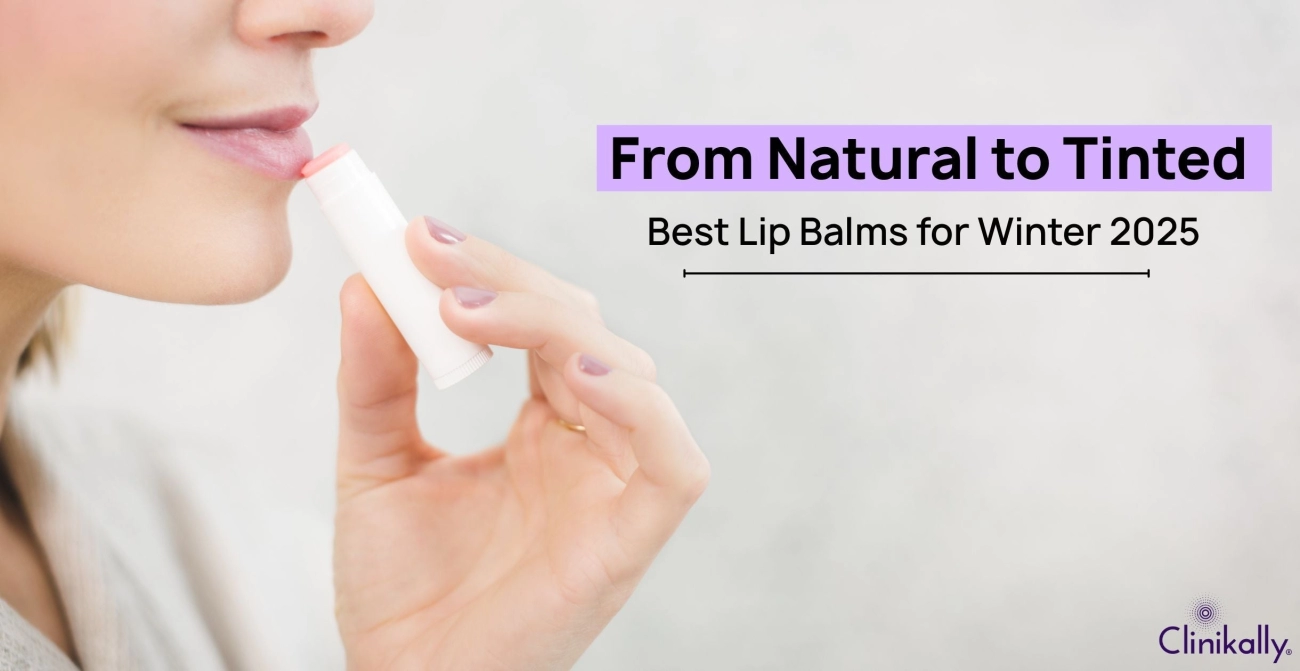
Winter can be brutal on your lips—thin skin, zero oil glands, plus cold air and indoor heating all conspire to leave them dry, cracked, and uncomfortable. But here’s the thing: winter lip care is about so much more than just slapping on balm. If you’re tired of your lips feeling perpetually chapped despite daily applications, it’s time to rethink your routine. In this guide, you’ll discover how to go beyond just balm with a smarter, multi-step approach that tackles the root causes and unlocks lasting hydration and protection. Ready to say goodbye to flaky, sore lips once and for all? Let’s get into it!
Why Winter Lips Need More Than Balm
Have you ever wondered why your lips feel dry and cracked every winter, even when you’re constantly applying lip balm? Chapped lips in cold weather aren’t just about lacking balm—they need more care. Common causes include dehydration, low humidity indoors and outdoors, harsh winter winds, and frequent lip licking, which can actually worsen dryness. Sometimes, ingredients in lip products like menthol or strong fragrances can irritate lips further, making the problem worse.
Signs that your lips are in trouble include persistent dryness, flaking skin, painful cracking, and increased sensitivity. If you rely solely on balm, you might fall into the cycle of overuse—applying balm repeatedly without providing real hydration. Many balms merely seal in moisture temporarily but don’t offer true nourishment, which can lead to dependency and worsening dryness over time.
Understanding these causes and recognizing the signs of chapped lips is the first step to breaking the cycle. Winter lip care demands more than just a quick balm fix—it requires balanced hydration, protection, and targeted treatment to restore and maintain healthy lips all season long.
Building a Complete Winter Lip Care Routine: Step 1 – Gentle Exfoliation
The first step in your winter lip care routine is gentle exfoliation, ideally 1-2 times per week. Removing dead skin from your lips helps products like balms and serums absorb much better, boosting hydration and softness.
Safe exfoliation methods include using a simple sugar scrub, a soft toothbrush, or specialized lip exfoliators designed to be gentle on delicate skin. Be careful not to over-exfoliate, as too much scrubbing can cause irritation and worsen dryness or chapping.
For tips on keeping skin irritation-free while exfoliating, check out the best practices for exfoliating without irritation to maintain smooth, healthy lips throughout winter.
Step 2: Deep Hydration and Nourishment
After exfoliating, your lips need serious hydration to stay soft and healthy through the cold season. Start by layering humectant ingredients like hyaluronic acid and glycerin. These draw moisture from the air into your lips, helping to keep them plump and hydrated. Next, follow up with emollients—natural oils such as jojoba, coconut, or almond oil are great for sealing in that moisture and softening your skin.
For extra repair, especially overnight, use thick occlusive layers or dedicated lip masks. These create a barrier that locks in moisture while you sleep, giving your lips time to fully recover from dryness and cracking. If you want to dive deeper into nighttime care, you might find tips on building an effective routine helpful in this guide about nighttime skincare rituals that repair while you sleep.
This step is key to breaking the cycle of dry lips and relying solely on lip balm. Combining humectants with nourishing oils ensures your lips get true hydration, not just a quick fix.
Step 3: Protection and Sealing
Locking in moisture is key to preventing dry lips in winter. Choose occlusive-rich balms containing ingredients like:
| Ingredient | Benefit |
|---|---|
| Beeswax | Creates a protective barrier |
| Shea butter | Softens and nourishes lips |
| Petroleum jelly alternatives | Seals moisture without heaviness |
During the day, it\’s important to use balms with SPF since UV rays can still damage your lips, even in cold weather. Look for formulas designed for SPF lip protection in cold weather to shield your lips from sun exposure.
Reapplication tips:
- Reapply after eating or drinking
- Protect lips before heading outdoors
- Keep a balm handy for quick touch-ups
By sealing in hydration and blocking environmental aggressors, your lips stay supple and guarded all day long. For more on maintaining hydration in your beauty routine, check out our guide on how to store beauty products to maximize shelf life.
Targeted Treatments for Severe Chapping
When winter lips get seriously chapped, simple balms might not be enough. Targeted treatments packed with soothing ingredients like vitamin E, ceramides, and aloe vera can help calm irritation and support healing. These ingredients work to repair your lip’s natural barrier, reduce redness, and relieve sensitivity.
You can also try natural home remedies for extra relief. Applying cucumber slices cools and hydrates dry lips, while honey offers antibacterial and moisturizing benefits. Milk cream is another gentle option to nourish and soothe cracked skin naturally.
For stubborn chapping, look for lip care products specifically formulated as winter lip repair treatments with these ingredients to speed up recovery and prevent further damage. Combining these treatments with a consistent routine ensures your lips stay smooth and protected even in harsh weather.
For more on natural hydration and nourishing ingredients that transform your skin’s feel, check out this guide to natural ingredients that transform your skin.
Daily and Lifestyle Habits for Lasting Results
Taking care of your lips every day is just as important as using the right products. Here’s how to keep your lips healthy all winter long:
- Stay hydrated: Drink plenty of water daily and consider running a humidifier indoors to combat dry winter air. A humidifier for chapped lips can make a real difference by adding moisture to your environment.
- Avoid aggravators: Stop lip licking or biting, as this worsens dryness and can lead to cracked lips. Also, steer clear of irritating ingredients like menthol or strong fragrances in lip care products that might cause sensitivity.
- Outdoor protection: When outside, cover your mouth with a scarf and try to breathe through your nose to reduce exposure to cold, dry air that can damage lips.
- Diet support: Incorporate foods rich in vitamins A, C, E, and omega-3 fatty acids into your diet. These nutrients help nourish your skin from the inside out, improving lip health and aiding repair.
Following these daily habits, alongside your winter lip care routine, ensures you’re not just treating symptoms but actually preventing chapped lips winter troubles.
Choosing the Right Ingredients and Products
Picking the right ingredients is key to effective winter lip care. The right hydrators, barriers, and product types can make all the difference between relief and further dryness.
| Best Hydrators | Effective Barriers | Ingredients to Avoid | Options for Everyone |
|---|---|---|---|
| Hyaluronic acid | Shea butter | Alcohol (drying) | Fragrance-free (for sensitive lips) |
| Squalane | Cocoa butter | Camphor (irritant) | Tinted balms (daily wear + hydration) |
| Ceramides | Natural waxes (beeswax, candelilla) | Strong flavors (menthol, cinnamon) | Hypoallergenic formulas |
Why these matter:
- Hydrators like hyaluronic acid and squalane attract and hold moisture, helping lips stay plump and hydrated.
- Barriers like shea butter and natural waxes seal in hydration and protect against harsh weather.
- Avoid drying or irritating ingredients such as alcohol, camphor, and strong flavors that worsen chapped lips.
- If you have sensitive skin, opt for fragrance-free products, while tinted balms offer both colour and protection for daily use.
For a deeper understanding on hydration and protection in cold seasons, check out this detailed guide on why cold weather wrecks your skin and how to fix it. This helps to fine-tune your lip care choices during winter for lasting softness and comfort.
When to Seek Professional Help
If you notice persistent issues like lips cracking that bleeds, swelling, or any signs of infection or allergic reaction, it’s time to see a professional. These symptoms go beyond typical winter lip care and may indicate an underlying problem that needs targeted treatment.
Sometimes, chronic chapped lips aren’t just about dryness. Deficiencies in vitamins, dermatitis, or side effects from medications can cause stubborn lip problems. A dermatologist can diagnose these issues and recommend the right treatments to heal and protect your lips properly.
If your usual winter lip repair treatment isn’t working despite consistent care, professional advice is the safest way to prevent worsening and get lasting relief. Recognizing when to seek help ensures your lips stay healthy and comfortable all season.
For more insight into skin and moisture care, you might find tips on when to switch products helpful in maintaining your overall skin health.