
Why Proper Storage Actually Matters
Ever wonder why your favorite skincare products stop working or change color before their expiration date? Proper beauty product storage is more than just tidying up; it’s essential to extend the shelf life of cosmetics and keep active ingredients effective.
Oxidation – The #1 Enemy
Oxygen is a sneaky culprit that breaks down skincare actives, especially vitamin C and retinoids. When products are exposed to air, they can turn brown, smell off, or lose potency. That’s why airless pump bottles or tightly sealed containers make a real difference in preserving freshness.
Light Sensitivity (Especially UV)
Sunlight, especially UV rays, can destroy delicate ingredients like antioxidants and peptides. Think about your serums and oils—their power fades fast when left on a sunny windowsill. Storing them in opaque or amber glass bottles helps shield them from harmful light.
Heat Accelerates Degradation
Heat speeds up chemical reactions that break down ingredients and promote bacterial growth. That means leaving your skincare on a radiator or in a hot car can ruin it faster than you think. A cool, dry place is usually best.
Water and Microbial Contamination Risk
Beauty products with water (like creams and toners) can attract bacteria and mold if exposed to moisture or dirty fingers. This not only shortens shelf life but can also cause skin irritation. Always use clean hands or spatulas and close lids tightly after each use.
How pH and Active Ingredients Stability Are Affected
Many actives, like vitamin C serums or retinol creams, work best within certain pH ranges and can degrade if the environment changes. Improper storage can shift pH balance, making your products less effective or even irritating.
Quick takeaway:
Proper storage isn’t just about neatness — it’s your best defense against oxidation, light, heat, and contamination that silently sabotage your skincare. Follow simple storage habits, and you’ll keep your products working longer and your skin happy.
General Golden Rules – Apply to Almost Everything
To maximize shelf life and keep your beauty products effective, storing them properly is key. Aim for a cool, dark, dry place—this is almost always better than the bathroom, where humidity and temperature fluctuate constantly. Avoid storing skincare or makeup near windowsills, radiators, or other heat sources that can accelerate product degradation.
Always make sure to close containers tightly immediately after use to limit air exposure, which can cause oxidation and spoil your products faster. When using creams or products in jars, never dip your fingers straight in; instead, use clean hands or a spatula to prevent contamination and microbial growth.
Finally, steer clear of leaving beauty products in your car or any environment with extreme temperatures, as heat and cold can ruin active ingredients and textures. Following these general beauty product storage tips will help extend the shelf life of cosmetics and keep your skincare fresh and effective longer.
Storage Guidelines by Product Category
Knowing how to store skincare properly varies a lot depending on the type of product. Here’s a quick guide on where and how to keep your beauty products to extend shelf life and maintain effectiveness.
Water-based serums, essences, toners
These are generally more stable but still best kept in a cool, dark place away from humidity. Avoid storing them in the bathroom if you can, as steam can speed up degradation and encourage microbial growth.
Vitamin C (pure L-AA vs derivatives)
Pure L-ascorbic acid (L-AA) vitamin C serums are highly sensitive to light and air — store them in amber or opaque glass bottles, and keep them refrigerated if possible. Derivatives (like magnesium ascorbyl phosphate) are more stable but still benefit from a cool, dark spot to preserve potency. You can find expert tips on the best way to store vitamin C serum for maximum shelf life.
Retinoids (retinol, retinal, tretinoin)
Retinoids break down quickly with exposure to light and heat. Always keep retinol creams and tretinoin in airtight, opaque containers, away from windowsills or radiators. A cool drawer in your bedroom is usually ideal.
Pure oils & oil-based products (squalane, rosehip, marula etc.)
Store oils in dark glass bottles to avoid oxidation caused by light. Keep them tightly sealed and away from heat sources to prevent rancidity. Oils often do better outside humid bathrooms to avoid contamination and water ingress.
Niacinamide, peptides, hyaluronic acid
These actives are quite stable but can still degrade in heat or light. Store them in a cool, dry place, ensuring containers are closed tightly. Hyaluronic acid serums often come in airless pump bottles, which really help preserve their formula.
Creams & thick moisturizers (especially in jars)
Since creams in jars are prone to contamination, always use clean hands or a spatula to avoid introducing bacteria. Keep jars sealed tightly and store them in a cool, dark environment.
Sheet masks & single-dose products
Sheet masks are best kept sealed until use. Store them flat in a drawer or box out of direct sunlight and heat. Single-dose packets should be used before their expiry and not stored long after opening.
Face masks (clay, cream, sleeping)
Clay masks should be kept dry and sealed tightly to avoid moisture contamination, which can lead to microbial growth. Cream and sleeping masks need to be closed properly and stored away from heat to prevent texture changes.
Sunscreens (chemical vs mineral)
Chemical sunscreens degrade faster with heat and UV exposure, so store them in cool places and avoid leaving them in cars or windowsills. Mineral sunscreens (zinc oxide, titanium dioxide) are a bit more stable but still benefit from cool, dark storage.
Makeup (foundations, concealers, powders)
Liquid foundations and concealers should be tightly sealed and stored away from heat and light to prevent separation and spoilage. Powders last longer but are best kept in moisture-free environments to avoid clumping.
Lip products (sticks vs pots)
Lipsticks do well in cool, dry places. Avoid leaving them in hot cars or near windows where temperature spikes can change texture. Pots or balms have the same rules but also require clean applicators or fingers to prevent contamination.
Mascara & liquid eyeliners (highest contamination risk)
These are the most vulnerable to germs because of constant contact with applicators and eye area. Always close caps tightly and replace mascara every 3-6 months regardless of appearance. Avoid sharing and never store them in bathrooms where bacteria thrive.
For detailed advice on makeup storage temperature and tips to avoid contaminating skincare products, you can check expert beauty product guides dedicated to makeup and eyeliners like this comprehensive list of favourite eyeliners.
Proper storage adapted to each beauty product type helps maximize shelf life and keeps your routine safe and effective.
Climate-Specific Real-World Advice
Hot & Humid Climates (SE Asia, Florida, Coastal Australia)
In hot and humid regions, skincare products are more prone to faster spoilage due to heat and moisture. To extend shelf life of cosmetics here, avoid storing products in the bathroom, where humidity spikes after showers. Instead, opt for a cool, dry, and well-ventilated area, like an air-conditioned bedroom. Using silica gel packs in your storage space can help absorb excess moisture and reduce microbial contamination risk. For sensitive items like vitamin C serum and retinoids, consider keeping them in a mini fridge to slow oxidation and degradation—but only if it’s practical.
Very Dry & Hot Climates
In very dry, hot areas, products can dry out or separate due to heat stress. Keeping skincare in airtight containers protects against evaporation of water-based formulas and preserves texture. Avoid direct sunlight and heat sources, such as windowsills or near radiators. For natural or organic cosmetics, which often lack preservatives, extra care is essential—store them in amber glass bottles to shield from UV damage and heat.
Cold Climates with Indoor Heating
Indoor heating in cold climates creates dry air that can affect product texture and stability. Store skincare products away from heaters and radiators to prevent heat acceleration of degradation. A cool, dark cupboard is ideal. You might find thicker creams prone to separation—give jars a gentle shake before use if separation is noticeable. Avoid leaving products in overly cold spots, as freezing might change formulas and reduce efficacy.
Small Apartments / No Dedicated Storage Solutions
If your living space is limited, smart storage hacks become a must. Use stackable, opaque organizers or dedicated beauty drawers placed in cool, dry corners to minimise exposure to heat and light. Airless pump bottles and UV-protective bags are lifesavers for preserving active ingredients, especially in cramped spaces without fridges. Also, resist the temptation to store products on bathroom shelves—high humidity can shorten their lifespan. Keeping a skincare expiration guide handy helps you rotate items more efficiently, preventing waste.
These climate-tailored tips ensure you store skincare properly and get the most out of each product, no matter where you live. For a practical look into anti-aging serums and their effectiveness, check out this detailed overview on do anti-aging serums really work.
Smart Storage Tools & Hacks That Actually Help
Using the right storage tools can make a big difference in how long your beauty products last. Here are some practical options that actually help extend shelf life and preserve active ingredients in skincare:
- Mini fridge: Worth it if you have heat-sensitive products like pure vitamin C serums or certain retinoids. However, not all products need refrigeration, so avoid turning it into just a marketing gadget. Too cold can also affect textures, so use it selectively.
- Airless pump bottles: These are excellent for preventing oxidation and contamination. By minimizing air exposure, airless pumps help keep formulas stable, especially for vitamin C, retinol, and niacinamide products.
- Opaque or amber glass dropper bottles: Perfect for light-sensitive serums and oils. These bottles block UV rays and reduce light degradation better than clear plastic, making them ideal for pure oils like rosehip or marula.
- UV-protective bags for travel: Travel exposes products to varying temperatures and sunlight. UV-protective bags shield your skincare from light damage while on the go, preserving potency during trips.
- Silica gel packs: If you live in a humid climate, adding silica gel packs to your bathroom or storage area helps absorb moisture, reducing microbial contamination risks and preventing product spoilage.
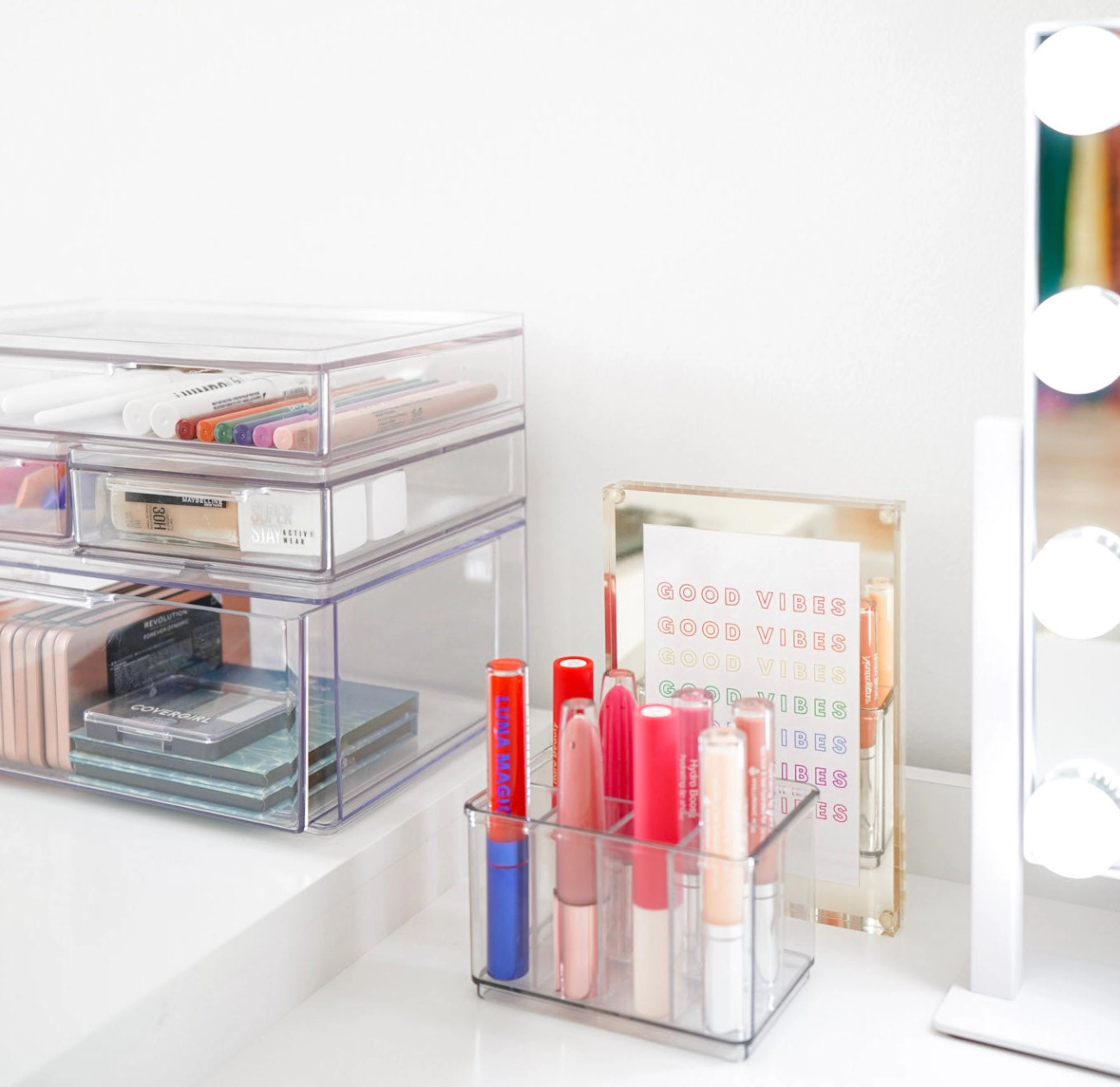
- Dedicated beauty drawers vs acrylic organizers: A cool, dark drawer with good airflow is usually better than transparent acrylic organizers exposed to light and heat. Keeping products tucked away supports longer-lasting freshness and effectiveness.
These smart storage tips follow the key beauty product storage tips: keep your skincare away from heat, light, and humidity to maximize shelf life. For advice on preserving active ingredients in skincare, this approach really pays off.
How to Know When It’s Really Time to Throw It Away
Knowing when to toss beauty products is key to keeping your skin safe and healthy. Here’s what to watch for:
- Visual changes: If your product changes color, separates, or looks cloudy, it’s a strong sign it’s past its prime. These shifts often mean oxidation or ingredient breakdown.
- Smell changes: A rancid, sour, or off smell is a red flag. Skincare expiration guide tips say to trust your nose—if it smells weird, don’t risk it.
- Texture changes: If creams, serums, or oils feel grainy, watery, or oddly thick, their formula may be compromised.
- Efficacy drop: Sometimes a product looks fine but doesn’t work as well anymore. Active ingredients like vitamin C or retinol lose potency over time, even if appearance stays the same.
- Period after opening (PAO): This icon (e.g., 6M, 12M) tells you how many months a product stays stable after opening. Take it seriously, especially for natural or organic cosmetics that often degrade faster.
Keeping an eye on these signs helps you extend shelf life and avoid skin irritation or infections. For more on preserving active ingredients and skincare longevity, check out how to build a simple skincare routine for beginners.
Quick Reference Storage Cheat-Sheet
Here’s a straightforward cheat-sheet to help you store beauty products properly and extend shelf life effectively:
- Keep products in a cool, dark, and dry place – Avoid humid bathrooms and direct sunlight.
- Close containers tightly immediately after use to prevent oxidation and contamination.
- Use clean hands or spatulas for creams and pots to reduce microbial risk.
- Avoid storing products on windowsills, radiators, or in cars where heat fluctuates.
- Store vitamin C serums (especially pure L-AA) in amber bottles and refrigerate if possible.
- Retinoids (retinol, tretinoin) should be kept away from light and heat; keep them in opaque containers.
- Face oils and oil-based products keep best in cool, dark spots—some benefit from refrigeration depending on climate.
- Creams & thick moisturizers in jars require extra caution—always avoid moisture contamination and consider transferring to airless pumps.
- Sheet masks and single-dose products are best stored at room temperature unless instructed otherwise.
- Sunscreens: Chemical types degrade faster with heat; mineral sunscreens are more stable but still benefit from cool storage.
- Makeup items like mascara and liquid eyeliner pose high contamination risks—replace every 3–6 months and store tightly closed.
- Use silica gel packs in humid environments to keep powders and skincare dry.
- Consider mini fridges for expensive or very sensitive skincare if you live in hot climates—otherwise, it’s often marketing hype.
Keeping these tips in mind will help you avoid premature product spoilage, maintain active ingredient stability, and get the most out of your beauty routine.