
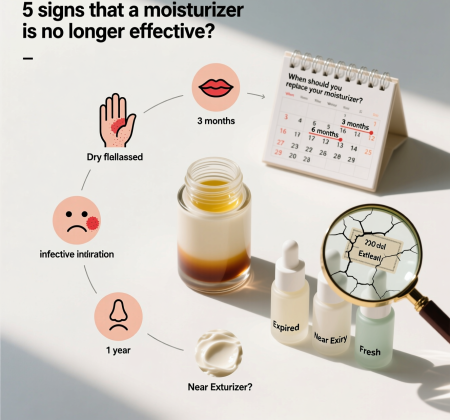
Why Your Skin Might Be Telling You to Switch Moisturizers
Have you ever applied your moisturizer only to feel like your skin isn’t responding well? If your face cream leaves your skin feeling uncomfortable, it could be a clear sign that your current product isn’t the right fit. Using the wrong moisturizer can cause issues like dryness, irritation, or even breakouts, which means it’s time for a change. Your skin’s needs evolve due to factors like seasonal skincare changes, lifestyle, or underlying skin health, so what worked in the past might not work now.
Pay attention if your skin feels tight after moisturizing or if you notice new breakouts, redness, or excess oiliness. These are all classic wrong moisturizer signs that suggest your skin is asking for something different—maybe a fragrance-free face cream, a non-comedogenic moisturizer, or one with key ingredients like ceramides or hyaluronic acid to help restore balance. Understanding when to replace moisturizer is crucial to maintain a healthy, comfortable complexion.
In short, your skin speaks to you. Listening closely helps you update your skincare routine and find the best moisturizer for your current needs.
Sign 1: Persistent Dryness or Tightness After Application
If your skin feels tight or unusually dry even after moisturizing, it\’s a clear sign your current moisturizer might not be working for you. This persistent dryness often means your skin isn’t getting enough hydration or the right type of moisture. Sometimes, moisturizers that are too heavy or have the wrong balance of ingredients can leave your skin feeling stripped rather than nourished.
Look for moisturizers with hydrating ingredients like hyaluronic acid or ceramides, which help lock in moisture without causing tightness. If you notice your skin feels tight right after applying your face cream, it’s a good idea to reconsider your product choice and opt for something designed specifically for your skin type, such as the best moisturizer for dry skin or a lighter formula if you have oily skin.
Switching to a fragrance-free face cream can also help reduce any irritation that might mimic dryness. Remember, using the wrong moisturizer signs shouldn’t be ignored, as continuous dryness can lead to skin barrier damage and discomfort.
If you want to stay updated on skincare routine tips, keep an eye on the latest trends and product reviews to find what truly hydrates your skin without that uncomfortable tight feeling.
Sign 2: Increased Breakouts or Clogged Pores
If you notice more breakouts or clogged pores after using your moisturizer, it’s a clear warning sign that your skin is not happy. This often happens when your moisturizer is too heavy, greasy, or contains ingredients that block your pores. Using a moisturizer causing breakouts can worsen acne and lead to uneven skin texture.
To avoid this, switch to a non-comedogenic moisturizer formulated not to clog pores. Look for lightweight formulas, especially if you have oily or combination skin. Sometimes, changing face cream to a product with fewer irritants or fragrances can also help prevent these issues.
If your current moisturizer is making your skin congested and breakout-prone, it’s time to reconsider your skincare routine update. Choosing the right moisturizer for oily skin or acne-prone skin can make a big difference in maintaining clear, healthy skin.
For a smoother transition, check out tips on selecting a suitable moisturizer and how to switch products without irritating your skin. For more advice on updating your skincare essentials, explore resources like the best eyeliners for sensitive skin, which include helpful reviews and product suggestions.
Sign 3: Irritation, Redness, or Itching
If your moisturizer is causing irritation, redness, or itching, it’s a clear sign you need to change face cream. Sensitive or irritated skin after applying moisturizer usually means the formula doesn’t agree with your skin type or contains harsh ingredients like fragrance or alcohol. Opt for a fragrance-free face cream or a product with soothing ingredients such as ceramides to reduce inflammation. Using a moisturizer that’s too heavy or too harsh can disrupt your skin barrier, leading to discomfort and persistent irritation.
If you notice these symptoms, switching to a non-comedogenic moisturizer designed for sensitive skin can help calm the redness and prevent further irritation. Sometimes, skin changes due to seasonal skincare changes mean your moisturizer no longer suits you, so updating your skincare routine could be the solution. For more tips on maintaining healthy skin during different seasons, check out advice on how to get that summer glow to keep your moisturizer game strong year-round.
Sign 4: Excessive Oiliness or Shiny Appearance All Day
If your skin looks shiny or feels greasy hours after applying your moisturizer, it’s a clear sign that your current product might not be right for you. Using a moisturizer that’s too heavy or not formulated for your skin type can clog pores and trigger excess oil production. This is especially common if you have oily or combination skin but are still using a rich, occlusive moisturizer meant for dry skin.
Look for a moisturizer for oily skin that is lightweight, non-comedogenic, and ideally fragrance-free to prevent further irritation. Ingredients like hyaluronic acid help hydrate without adding extra oil, while ceramides support your skin barrier without heaviness. Switching to a product that balances hydration without causing shine can make a huge difference in how your skin feels and looks throughout the day.
For more about adjusting your skincare routine with the right moisturizer, check out this helpful guide on seasonal skincare changes.
Sign 5: No Improvement in Skin Texture or Overall Feel
If your moisturizer isn’t making your skin feel any better over time, it’s a clear sign you need to switch face cream. The right moisturizer should help smooth your skin, boost hydration, and improve overall texture. When you notice your skin still feels rough, uneven, or dull despite regular use, it means your current product isn’t doing its job.
Many moisturizers focus on hydration but may lack key ingredients like ceramides or hyaluronic acid benefits, which are essential for locking in moisture and repairing the skin barrier. If your moisturizer is more cosmetic than functional, it won’t deliver long-term improvements.
Also, keep in mind that seasonal skincare changes can affect how your skin responds. What worked well in winter might not suit your needs in summer, especially if your moisturizer is too heavy or not suited to your skin type.
Switching to a moisturizer that targets your specific concerns—whether it\’s hydration, oil control, or soothing irritation—can make a huge difference. Look for quality formulations, such as fragrance-free face cream or non-comedogenic moisturizer, tailored for your skin.
If you want tips on updating your routine for better skin health, check out advice on skincare routine update for glowing, healthy skin. This can help you find a moisturizer that truly transforms your skin texture and feel.
Other Factors That Signal It\’s Time for a Change
Sometimes, the signs that you need to change face cream go beyond obvious skin reactions. If your moisturizer no longer feels effective or your skin\’s needs shift—like during seasonal skincare changes—it might be time to rethink your routine. Here are a few other signals that your current moisturizer isn’t the right fit:
- Your skin feels heavy or greasy all day: If your moisturizer for oily skin suddenly feels too rich or leaves a shiny appearance, it could be clogging your pores or causing excess oil production.
- You notice a funny smell or formulation change: This can mean your moisturizer is past its prime or the ingredients have separated, which reduces effectiveness.
- Your moisturizer lacks essential ingredients: Modern preferences lean toward ceramides in moisturizer and hyaluronic acid benefits — if your cream lacks these, it might not be hydrating or protecting your skin barrier well.
- You’re introducing new skincare products: Adjusting your routine? If your current moisturizer doesn’t mix well with other products, it might cause irritation or reduce their benefits.
Pay attention to these subtle but important wrong moisturizer signs and give your skin what it truly needs. For a smoother skincare routine update, choosing a fragrance-free face cream or a non-comedogenic moisturizer can make all the difference.
If you’re navigating skincare changes, like updates caused by weather or lifestyle, make sure to select formulas made for your current skin type and concerns to maintain healthy, comfortable skin.
How to Choose and Transition to a New Moisturizer
Switching to a new moisturizer can feel tricky, but it shouldn’t be overwhelming. Here’s a simple guide to help you pick the right one and switch smoothly without upsetting your skin.
Choosing the Right Moisturizer
Start by matching your skin type and current skin needs:
| Skin Issue | What to Look For | Key Ingredients to Consider |
|---|---|---|
| Dry or flaky skin | Rich, hydrating moisturizer | Ceramides, hyaluronic acid |
| Oily or acne-prone skin | Lightweight, non-comedogenic moisturizer | Oil-free formulas, niacinamide |
| Sensitive or irritated | Fragrance-free, soothing creams | Aloe vera, calendula |
| Seasonal changes | Adapt formula to climate | Lighter gels for summer, richer creams for winter |
Always check labels for non-comedogenic and fragrance-free face creams if you’re prone to breakouts or irritation.
Transitioning to a New Moisturizer
Switch gradually to avoid shocking your skin:
- Patch Test: Apply on a small skin area to check for reactions.
- Alternate Days: Use the new moisturizer every other day alongside your old one for about a week.
- Observe Your Skin: Watch for any irritation, breakouts, or dryness.
- Full Switch: If all looks good, transition fully to the new product.
This careful approach helps your skin adjust and avoids problems like irritation or excessive oiliness.
If you want to refresh your entire routine while switching creams, consider reading about how to add vibrancy with a quick update, like a new lip shade or eye look in this easy guide on adding a pop of colour.
By choosing wisely and transitioning slowly, you’ll find the moisturizer that works best for your skin, keeping it healthy and comfortable every day.