
Understanding the Scalp: The Foundation of Healthy Hair
Your scalp is the starting point for strong, healthy hair. It’s more than just skin — it’s a complex system made up of hair follicles, sebaceous glands, blood vessels, and a delicate scalp microbiome. Hair follicles are tiny pockets where your hair grows from, and sebaceous glands nearby produce sebum — a natural oil that keeps your scalp moisturized and balanced.
Hair growth happens in cycles with three key phases:
- Anagen (growth phase) – when hair actively grows.
- Catagen (transition phase) – a short period when growth slows.
- Telogen (resting phase) – when hair rests before shedding.
Your scalp health plays a huge role in how well these phases work. When follicles get clogged by dirt, oil, or product buildup, or when your scalp is inflamed or suffers from poor circulation, hair roots weaken. This can slow down the growth cycle and even cause hair to thin or fall out prematurely.
Keeping your scalp healthy means supporting the roots for natural, stronger hair growth. It’s the foundation for shiny, thick hair that lasts.
Signs of an Unhealthy Scalp
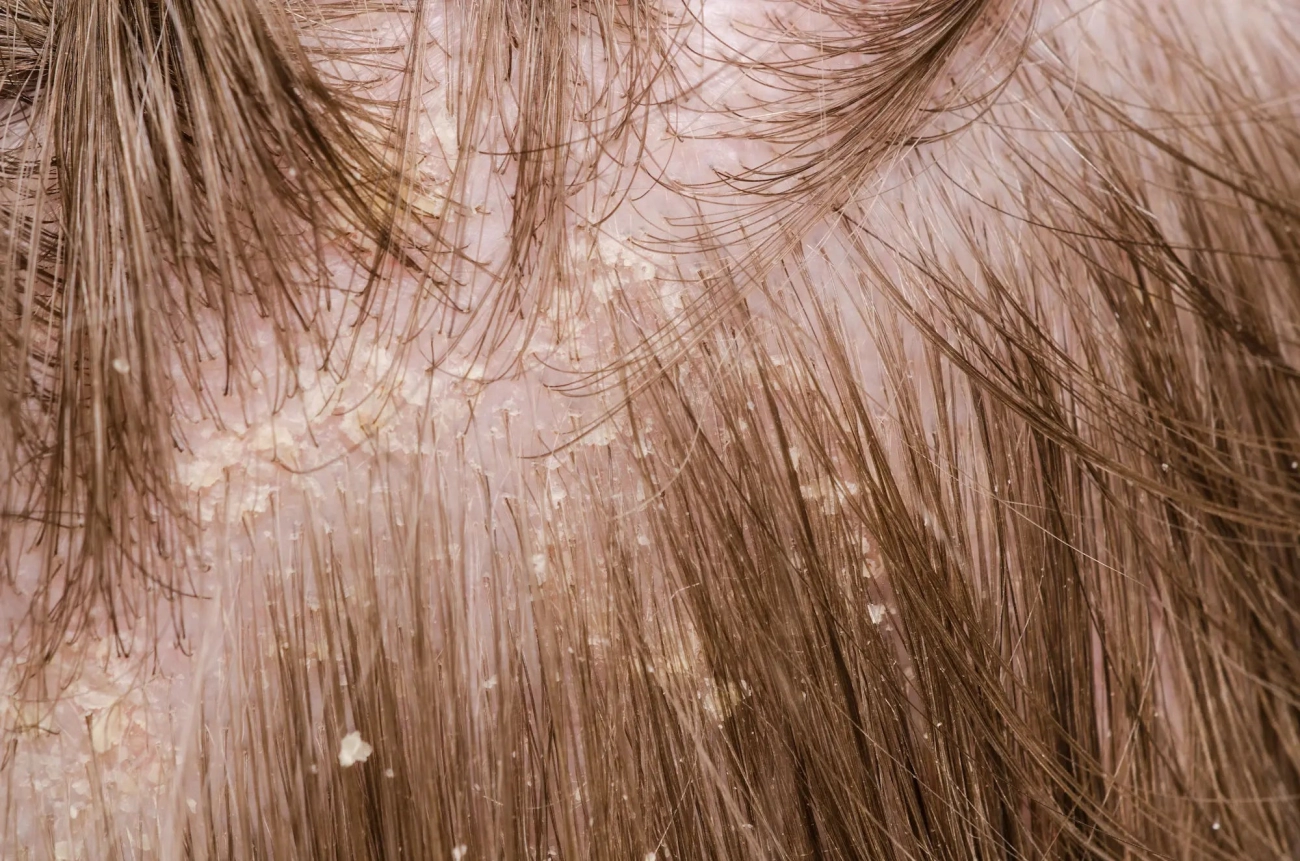
An unhealthy scalp often shows clear signs you shouldn’t ignore. Common indicators include itchiness, flaking, excessive oiliness or dryness, redness, bumps, and noticeable hair thinning or shedding. These symptoms usually point to imbalances in the scalp microbiome or issues with sebum production balance.
When your scalp is itchy or flaky, it means the skin is irritated or dry, which can lead to weakened hair follicles. Excess oil can clog pores and follicles, restricting nutrient flow, while dryness causes brittle strands that are prone to breakage. Redness and bumps are signs of inflammation, which can stunt hair growth and lead to premature hair loss.
Ignoring these warnings can result in slower hair growth and fragile hair that sheds easily. Tackling these scalp problems early is key to maintaining your hair’s natural strength and promoting healthy new growth.
Common Scalp Issues and Their Effects on Hair Growth
Several scalp problems can seriously affect hair growth by disrupting the delicate balance needed for healthy follicles.
- Dandruff and seborrheic dermatitis cause buildup and inflammation that block hair follicles, reducing oxygen and nutrient flow. This leads to weaker roots and slower natural hair growth.
- Dry or flaky scalp results from a lack of moisture, making hair shafts brittle and more prone to breakage. Without proper hydration, the scalp environment becomes less supportive of strong hair growth.
- Oily scalp and buildup clog pores and restrict the delivery of essential nutrients to hair follicles. Excess sebum production disrupts the scalp microbiome, which can increase hair shedding and stunt growth.
- Other concerns like psoriasis, folliculitis, or stress-related imbalances create inflammation or damage at the follicle level. These conditions can cause significant irritation and even hair loss if left untreated.
Addressing these issues early with proper scalp care is key to maintaining hair follicle health and encouraging a healthy hair growth cycle. For more insights on keeping your scalp balanced, exploring natural remedies and gentle daily care can make a big difference.
Daily Habits for Optimal Scalp Health
Keeping your scalp healthy starts with simple daily habits that support hair follicle health and promote natural hair growth. Here’s how to make your scalp care routine effective:
- Proper cleansing: Clean your scalp regularly but adjust the frequency to your hair type. Oily scalps may need washing every other day, while dry scalps benefit from less frequent shampooing. Always concentrate shampoo on the scalp, not just the hair strands, to remove buildup and balance sebum production.
- Gentle exfoliation: Once a week, use a mild scalp scrub or exfoliating treatment to clear away dead skin cells and product residue. This helps prevent clogged follicles without causing irritation, supporting a healthy scalp microbiome.
- Scalp massage techniques: Spend a few minutes each day massaging your scalp with your fingertips. This boosts blood circulation and evenly distributes natural oils, which nourishes hair roots and supports a strong hair growth cycle.
- Avoiding irritants: Minimise heat styling, avoid tight hairstyles that pull on follicles, and steer clear of harsh chemicals that can inflame or dry out the scalp. Protecting your scalp from these irritants reduces the risk of dandruff and inflammation, key factors in reducing hair shedding.
Incorporating these habits can transform your scalp health, encouraging thicker, healthier hair. For natural hair growth boosts, consider integrating gentle scalp exfoliation and massage into your routine, as they are proven scalp health tips.
Nutrition and Lifestyle Factors Supporting Scalp and Hair Strength
Healthy scalp tips start with good nutrition and lifestyle choices that feed your hair follicles and keep sebum production balanced. Essential nutrients like omega-3 fatty acids, biotin, zinc, iron, and vitamins A, D, and E play a big role in nourishing your scalp and strengthening hair growth. These nutrients help maintain healthy hair follicles, reduce inflammation, and promote the natural hair growth cycle.
Staying hydrated and eating foods that boost circulation, such as leafy greens, nuts, and fatty fish, can also improve scalp health. Drinking plenty of water supports moisture balance, while anti-inflammatory foods help keep the scalp calm and reduce dandruff or irritation.
Lifestyle habits matter too. Managing stress through relaxation techniques and ensuring you get enough sleep protects your scalp and prevents stress-related hair shedding. It’s also important to guard your scalp from environmental damage caused by pollution and UV rays, which can weaken hair follicles over time.
Building an Effective Scalp Care Routine
Creating a consistent scalp care routine is key to maintaining scalp health and promoting stronger hair growth. Here’s a simple step-by-step guide to help you cover all the bases:
1. Cleansing:
Use a gentle, sulfate-free shampoo focused on the scalp to remove dirt, oil, and product buildup without stripping natural oils. Adjust frequency based on your hair type—oily scalps may need washing every other day, while dry scalps benefit from less frequent cleansing.
2. Exfoliating:
Incorporate a mild scalp scrub or exfoliating treatment once a week to clear away dead skin cells and residue. This supports healthy hair follicle function and helps prevent clogged pores that can slow hair growth.
3. Massaging:
Daily scalp massages boost circulation, distribute natural oils, and relax tight muscles, all of which encourage a balanced scalp microbiome and hair follicle health. Use your fingertips and gentle circular motions for 5–10 minutes.
4. Moisturizing:
Applying natural oils like jojoba or tea tree oil can soothe irritation, maintain sebum production balance, and hydrate dry scalps. Choose products designed for your scalp type to avoid buildup.
Product Tips for Different Scalp Types
- Dry scalp: Look for hydrating shampoos and oils rich in omega-3s or vitamin E. Avoid harsh detergents.
- Oily scalp: Use clarifying shampoos to remove excess sebum and consider lightweight scalp treatments that keep pores clear.
- Sensitive scalp: Opt for fragrance-free, gentle formulas, and avoid products with alcohol or sulfates. For additional protection, check out expert advice on caring for sensitive skin during seasonal changes like winter in this detailed guide.
Tailoring your scalp routine based on your individual needs will help reduce hair shedding and strengthen your hair from the root up, supporting natural hair growth every day.
Advanced Tips and When to Seek Professional Help
If you’re looking to boost scalp health beyond the basics, natural remedies like DIY masks made from ingredients such as honey, aloe vera, or coconut oil can soothe irritation and improve moisture balance. Essential oils like tea tree and rosemary are popular for their antibacterial and circulation-boosting scalp benefits—just be sure to dilute them properly before use to avoid irritation.
For stubborn scalp issues or slow hair growth, emerging treatments like LED therapy are gaining attention for their ability to stimulate hair follicles and improve blood flow. Supplements containing biotin, omega-3 fatty acids, zinc, and vitamins A, D, and E can also support scalp nourishment from within.
However, not all scalp concerns can be solved at home. It’s important to recognize red flags that mean professional help is needed:
- Persistent itching, redness, or scaling that doesn’t improve with routine care
- Sudden or patchy hair thinning and excessive shedding
- Signs of infection or severe inflammation
- Conditions like psoriasis or folliculitis worsening over time
Consulting a trichologist or dermatologist can provide targeted treatments tailored to your scalp’s specific needs. They can recommend advanced therapies or medicated products to manage underlying conditions effectively, ensuring healthier hair growth in the long run.
Maintaining an informed approach and knowing when to seek expert advice is key to keeping your scalp and hair in optimal condition. For more insights on hair wellness, exploring natural and dermatologist-backed options can make a big difference.
For additional care tips that pair well with scalp health, you might find valuable advice in the latest Bobbi Brown Remedies to complement your routine naturally.