
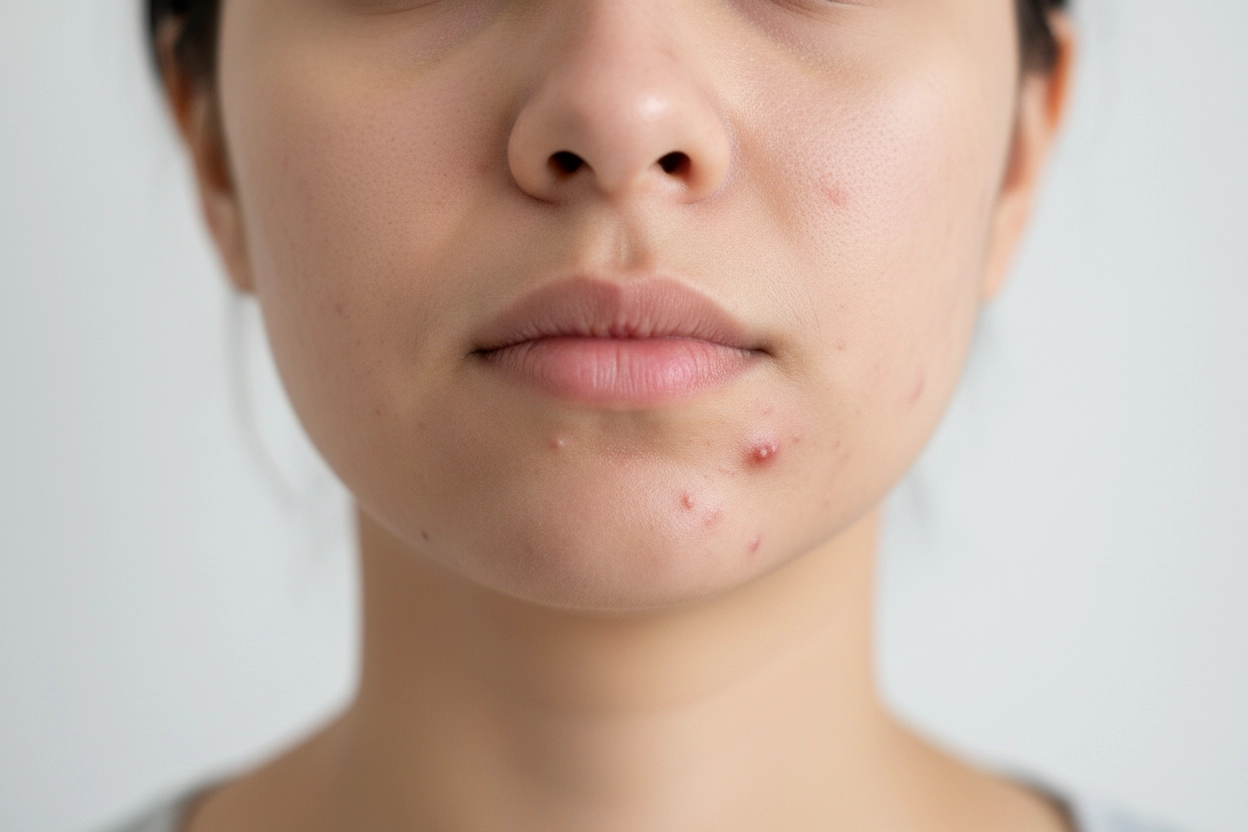
Myth: Oily Skin Doesn\’t Need Moisturizer
You might have heard that if you have oily skin, skipping moisturizer is the way to go. This common beauty misconception likely comes from the idea that adding moisture will only make your skin greasier. However, dermatologists explain that this is far from the truth.
When your skin is dehydrated—lacking water—it actually signals your oil glands to produce more oil to compensate. This means that not moisturizing can trigger excess oil production, making your skin even oilier and prone to breakouts.
What dermatologists recommend:
- Use a lightweight, non-comedogenic moisturizer that won’t clog your pores.
- Look for formulations labeled oil-free or specifically designed for oily skin.
- Ingredients like hyaluronic acid or glycerin provide hydration without heaviness.
By regularly moisturizing with the right products, you help balance your skin’s hydration and oil levels, supporting a clearer, healthier complexion. So, don’t skip this crucial skincare step—your oily skin needs hydration too!
Myth: Sunscreen Is Only Necessary on Sunny Days
Many people skip sunscreen when it’s cloudy or when they’re mostly indoors, thinking that sun protection isn’t needed without direct sunlight. This common beauty misconception can leave your skin vulnerable to damage.
The truth is, UVA rays—the ones responsible for premature aging and skin cancer—penetrate through clouds and even glass windows all year round. So, even on dull days or when you\’re inside near windows, your skin is exposed to harmful rays.
Dermatologists recommend applying a broad-spectrum sunscreen with at least SPF 30 daily, regardless of weather or your indoor time. Incorporate this into your routine for effective everyday protection to keep your skin healthy and prevent long-term damage. For a simple way to build this habit, check out our guide on how to build a simple skincare routine for beginners.
Myth: You Can Permanently Shrink Pores
Many ads and pore strips claim they can shrink your pores for good, but the truth is that pore size is mostly determined by genetics. No product or treatment can make pores physically smaller forever. Instead, the goal should be to minimize their appearance.
Dermatologists recommend gentle cleansing to keep pores clear of dirt and oil, which helps prevent them from looking larger. Incorporating retinoids into your routine can boost collagen production, making skin firmer and pores less visible. Niacinamide is another star ingredient that reduces inflammation and improves skin texture, giving pores a smoother look.
For effective pore care, consider using products with these ingredients and avoid harsh scrubs that can damage your skin barrier. If you want to explore gentle, effective cleansers that support skin health, check out this guide on organic cleansers that actually remove makeup gently — great for maintaining clean pores without irritation.
Myth: Natural Ingredients Are Always Better and Safer
With the rise of \”clean beauty\” trends, many believe that natural ingredients are automatically gentler and safer for the skin. However, dermatologists often point out that this isn\’t always true. In fact, several natural substances like essential oils, citrus extracts, or nut oils can cause irritation, allergic reactions, or sensitivity, especially for those with sensitive skin.
On the other hand, many synthetic ingredients have been extensively tested for safety and effectiveness, sometimes outperforming their natural counterparts. The key is not in choosing natural over synthetic but in selecting formulations backed by solid research and clinical testing.
Expert skincare advice:
- Look for products with proven actives rather than assuming “natural” means better.
- Prioritize gentle, well-formulated products suited to your skin type.
- If you’re curious about natural ingredients, check out this list of 10 natural ingredients that transform your skin to see which are truly effective and skin-friendly.
Remember, labels like “clean” or “natural” don’t guarantee safety or quality—trust dermatologists’ guidance and evidence-based skincare over popular misconceptions.
Myth: Higher Price Means Better Results
Many believe that luxury skincare products always deliver better results just because they come with a higher price tag. This misconception is fueled by sophisticated marketing campaigns that make expensive brands seem more effective. However, dermatologists emphasize that the effectiveness of skincare depends mainly on the active ingredients, not the cost.
What really counts are evidence-based ingredients proven to work, such as hyaluronic acid for hydration or niacinamide for brightening. These actives are often found in affordable formulas that can perform just as well—or better—than luxury options.
Recommendations to keep in mind:
- Focus on products with researched active ingredients.
- Don’t fall for price alone as a quality indicator.
- Look for affordable, proven actives that suit your skin type.
Choosing the right ingredients over the brand name will save you money and improve your skin without unnecessary splurging.
Myth: Exfoliating More Often Leads to Smoother Skin
Many believe that exfoliating every day will give them smoother, glowing skin faster. However, dermatologists warn that over-exfoliation—whether from harsh scrubs or strong acids—can actually harm your skin barrier. This damage often leads to irritation, redness, dryness, and even breakouts.
The truth about exfoliation frequency is simple: less is more. For most skin types, exfoliating 2-3 times a week with gentle products is enough to remove dead skin cells without stripping your skin’s natural protective layer. Look for mild chemical exfoliants like AHAs or BHAs and avoid scrubs with big, rough particles that can cause micro-tears.
Here are some quick tips to exfoliate safely:
- Use gentle, dermatologist-approved exfoliants
- Avoid daily scrubbing or using multiple exfoliating products at once
- Follow up with soothing moisturizers to protect the skin barrier
- Monitor your skin’s reaction and adjust frequency accordingly
If you have sensitive or winter-dry skin, check out best practices for sensitive skincare care this winter to keep your routine balanced and skin calm. Proper exfoliation plays a big role in overall skin health, but it’s all about doing it right — not more often.
Myth: A Base Tan or Tanning Beds Provide Safe Protection
Many believe that getting a base tan or using tanning beds offers safe skin protection or prepares the skin for sun exposure. This persistent myth suggests a “healthy glow” can prevent sunburn and damage. However, dermatologists disagree strongly: all tanning, whether from the sun or tanning beds, damages your DNA and raises the risk of skin cancer. There’s no such thing as a safe tan.
Instead of harmful UV exposure, experts recommend safer alternatives. Using self-tanners can give you a natural-looking glow without the risks. For example, products like the Lancôme self-tanning face gel offer gradual color without sun damage. Additionally, antioxidants in skincare help protect skin from environmental stress and support repair.
Key points to remember:
- Avoid tanning beds and base tans entirely.
- Use self-tanners for a safe, sun-free glow.
- Incorporate antioxidants to boost skin health and protection.
Choosing these options over UV exposure aligns with trusted dermatologist skincare advice and busts this dangerous beauty myth.
Myth: Retinol Thins the Skin or Can\’t Be Used in Daytime
Many people avoid retinol because they think it thins the skin or causes sensitivity, especially if used during the day. This is a common skincare myth, but dermatologists clarify otherwise. Retinol actually builds collagen over time, improving skin texture and firmness rather than thinning it. The initial dryness or irritation some experience is temporary and often just the skin adjusting.
Daytime use isn’t off-limits, but it’s essential to always pair retinol with a broad-spectrum sunscreen. Retinol can make your skin more sensitive to UV rays, so daily SPF 30+ protects your skin while you get the benefits.
For beginners using retinol:
- Start with a low concentration to reduce irritation
- Apply it at night initially, then consider daytime use with sunscreen
- Use gentle moisturizers to support your skin barrier
- Avoid combining it with other strong acids on the same day
Remember, consistent use and patience are key for seeing results. Integrate retinol safely, and it becomes a powerful anti-ageing tool with proper sun protection. For more on protecting your skin’s glow while staying safe, you might enjoy tips on how to get that summer glow without damage.
Myth: Acne Is Only a Teenage Issue
Many still believe acne is just a teenage problem, but adult breakouts are very real and often dismissed as temporary annoyances. In reality, adult acne can be triggered by various factors like hormonal shifts, stress, or even certain skincare and makeup products. If you\’re dealing with persistent breakouts, it’s important not to ignore them.
Dermatologists point out that adult acne needs proper care tailored to its causes. Treatments might include hormone regulation, targeted topical therapies, or prescription medications. For example, some evidence-based products with retinoids or benzoyl peroxide work well, but always consult a professional for a plan that suits your skin type.
If adult acne is part of your skin story, exploring skincare routines that focus on barrier support and gentle cleansing can make a big difference. You might also find tips on managing breakouts and maintaining healthy skin in trusted guides about favourite makeup products I’ve tried that don’t clog pores or irritate skin.
Myth: Drinking More Water Alone Hydrates Skin
You\’ve probably heard that drinking more water will instantly hydrate your skin. While staying hydrated is crucial for overall health, the idea that gulping fluids alone will give you glowing, plump skin is a common skincare myth. The reality? Skin hydration mainly comes from topical care, not just what you drink.
Dermatologists agree that water supports your body\’s functions, but it doesn’t directly moisturize your skin. The skin barrier controls how much water your skin holds. Without proper topical hydration, skin can still feel dry or tight no matter how much water you consume.
Better Approaches to Skin Hydration
- Use humectants like hyaluronic acid or glycerin. These ingredients attract water into the skin.
- Apply occlusives such as petrolatum or oils to lock moisture in and protect the skin barrier.
- Consistently moisturize with products tailored to your skin type—this is where real hydration happens.
Remember, hydration-from-within promises are partially true, but when it comes to radiant, nourished skin, skincare products play the starring role.
Myth: Toothpaste Effectively Treats Pimples Overnight
Using toothpaste as a quick fix for pimples is a common old home remedy, but dermatologists warn it’s more harmful than helpful. While it may seem like toothpaste dries out spots, it actually irritates the skin, causing redness, excessive dryness, and even burns in some cases. Toothpaste contains ingredients like baking soda, hydrogen peroxide, and fluoride that are not intended for skin use and disrupt the skin barrier.
Instead of risking irritation, opt for proven spot treatments formulated with ingredients like benzoyl peroxide, salicylic acid, or sulfur. These target acne-causing bacteria and clogged pores effectively without damaging your skin. Remember, keeping your skin barrier healthy and protected is key to managing breakouts safely.
For more reliable skincare advice and to avoid common beauty misconceptions, you might find useful tips in our guide on how to choose cruelty-free cosmetics without compromise.
Myth: You Need a 10-Step Routine for Great Skin
With the rise of K-beauty, many believe that layering 10 or more products is the secret to flawless skin. This skincare myth can lead to overwhelming routines and sometimes irritation from overdoing it. Dermatologists emphasize that simplicity with quality products often works best. Instead of chasing numerous steps, focus on core essentials: a gentle cleanser, a reliable moisturizer, and daily broad-spectrum SPF.
Prioritize products with proven, evidence-based skincare ingredients tailored to your skin type. A minimal routine not only reduces the risk of disrupting your skin barrier but also makes it easier to stick with consistent care. For insight into choosing the right moisturizer and when to switch products, check out this detailed guide on signs you need to switch your moisturizer.
Remember, more isn’t always better—smart, straightforward steps deliver lasting results.