
Understanding Exfoliation: Benefits and Risks
Exfoliation is a key step in any safe skincare routine that helps remove dead skin cells, revealing smoother, brighter skin. When done right, it can reduce dullness, unclog pores, and boost your natural glow.
Benefits of Exfoliation
- Smoother skin texture
- Reduced dullness and uneven tone
- Fewer clogged pores, which helps prevent breakouts
- Improved skin radiance and glow
Why Skin Irritation Happens
Irritation often comes from:
- Over-exfoliation – exfoliating too often or too aggressively
- Using harsh physical exfoliants like rough scrubs or stiff brushes
- Applying chemical exfoliants that don’t suit your skin type
Signs of Over-Exfoliation to Watch For
| Symptom | Description |
|---|---|
| Redness | Persistent pink or inflamed skin |
| Dryness | Skin feels rough and flaky |
| Flaking | Visible peeling or shedding |
| Tightness | Uncomfortable, stretched feeling |
| Increased sensitivity | Skin reacts strongly to products or touch |
Pay attention to these signs to avoid damage and maintain a healthy skin barrier.
Types of Exfoliation
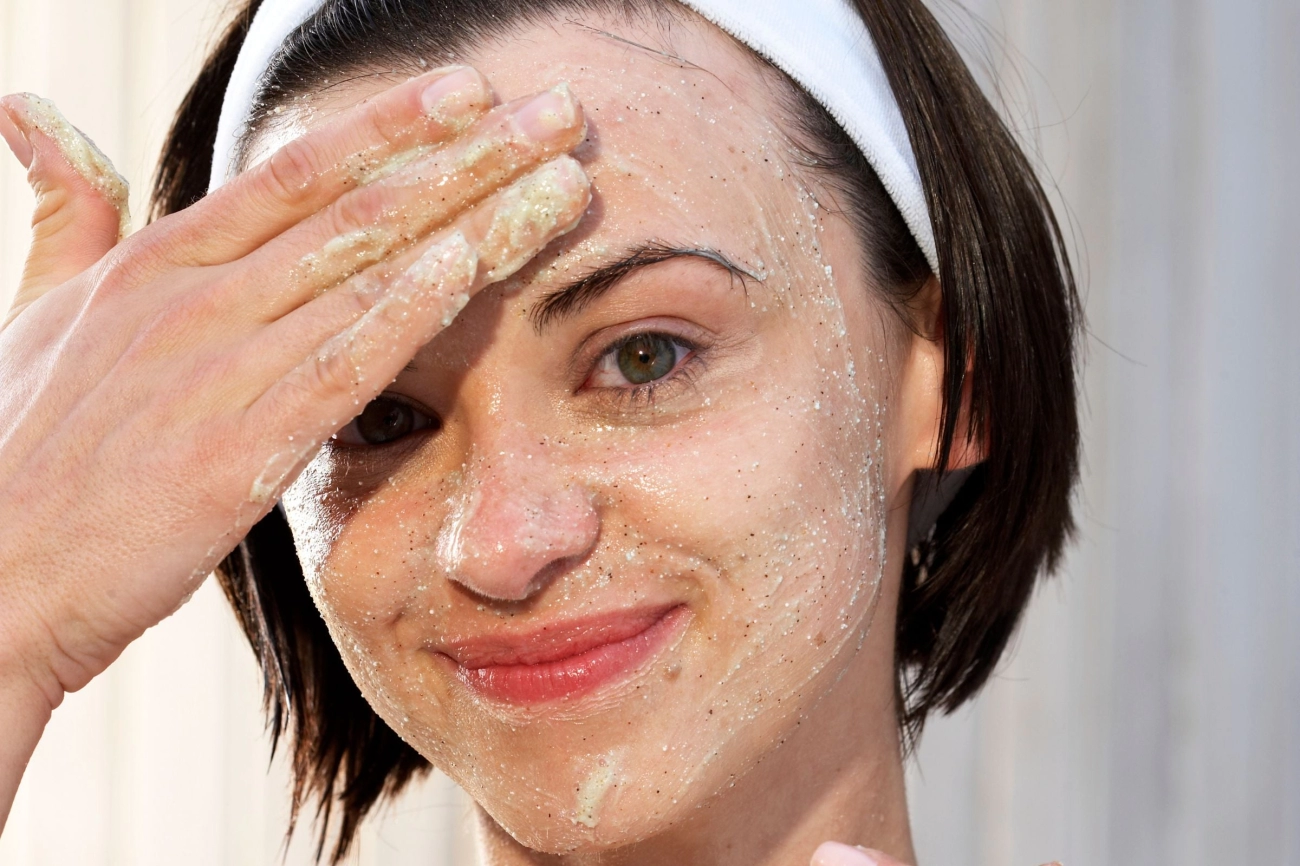
Exfoliation comes in two main forms: physical and chemical. Physical exfoliation involves scrubs, brushes, washcloths, or tools that manually remove dead skin cells. While these can provide a quick, satisfying glow, they also carry risks—especially if the scrubs are too rough or used aggressively. For a gentle exfoliation experience, it’s better to choose soft washcloths or fine-grain scrubs to avoid irritation or micro-tears in the skin.
Chemical exfoliation is a gentler alternative that relies on acids or enzymes to dissolve dead skin cells without harsh rubbing. Common chemical exfoliants include AHAs (alpha hydroxy acids) like lactic acid, which helps with hydration and smooths dry or mature skin. BHAs (beta hydroxy acids), such as salicylic acid, target clogged pores and are ideal for oily or acne-prone skin. For those with sensitive skin, PHAs (polyhydroxy acids) and enzyme exfoliators offer mild exfoliation with lower irritation risk.
Choosing between physical and chemical exfoliation depends on your skin’s tolerance and needs, but opting for gentle options and understanding the benefits of acids like lactic acid or salicylic acid can make all the difference in achieving smooth, glowing skin without irritation. For more on choosing the right cleanser to pair with your exfoliation routine, consider checking out this guide to organic cleansers that actually remove makeup gently.
Choosing the Right Method for Your Skin Type
Picking the best exfoliation method depends a lot on your skin type to avoid irritation and get the best results.
- Dry or Mature Skin: Go for mild AHAs like lactic acid or enzyme exfoliators. These options gently remove dead skin while adding hydration, which is perfect if your skin feels tight or flaky.
- Oily or Acne-Prone Skin: BHAs, especially low-concentration salicylic acid, work well here. They penetrate pores to clear out excess oil and reduce breakouts without harsh scrubbing.
- Sensitive Skin: PHAs like gluconolactone, enzyme exfoliators, or just a soft washcloth are your safest bets. Stay away from abrasive scrubs or strong acids that can easily cause redness or irritation.
- Combination Skin: Try a zone-specific routine—use different methods on oily versus dry areas—or alternate between gentle chemical exfoliation and mild physical exfoliation to balance skin needs.
Choosing the right exfoliants helps you avoid common issues like over-exfoliation signs and supports a safe skincare routine. If you’re unsure where to start, our guide on how to build a simple skincare routine for beginners offers easy tips to match products to your skin type.
Step-by-Step Guide to Exfoliating Safely
To exfoliate without irritation, start by preparing your skin well. Use a gentle cleanser suited for your skin type to remove dirt and oil without stripping moisture. Before using any new exfoliating product, do a patch test on a small area to check for any reactions.
When applying physical or chemical exfoliants, use light circular motions to avoid harsh rubbing. Stick to lukewarm water—not hot—to prevent further sensitivity. Limit the exfoliating process to about 30 to 60 seconds; longer exposure can lead to irritation.
After rinsing thoroughly, gently pat your skin dry with a soft towel instead of rubbing. Follow up immediately with hydrating products like serums containing hyaluronic acid or ceramides to support skin barrier protection. This simple, careful routine helps you enjoy the benefits of exfoliation while minimizing the risk of irritation.
How Often to Exfoliate
A good rule of thumb for exfoliate frequency is 1 to 3 times per week, depending on your skin type and the kind of exfoliation you use. If you’re just starting out, begin with once a week to see how your skin reacts, then slowly increase if your skin tolerates it well.
Here’s a simple breakdown:
- Dry or sensitive skin: Stick to once a week with gentle chemical exfoliants like PHAs or enzyme exfoliators to avoid irritation.
- Oily or acne-prone skin: You may exfoliate up to 3 times weekly using BHAs like salicylic acid but always keep an eye on redness or dryness.
- Combination skin: Tailor your routine by exfoliating different zones separately and alternating between physical and chemical methods, but limit total exfoliation to 2-3 times weekly.
Remember, over-exfoliation can cause irritation and damage your skin barrier. Always pay attention to signs like redness, tightness, or flaking, and don’t hesitate to take a break if your skin feels sensitive.
For more tailored advice, especially if you have sensitive or reactive skin, check out this guide on best practices for sensitive skin care this winter to help adjust your exfoliation schedule without causing irritation.
Essential Post-Exfoliation Care
After exfoliating, your skin needs some extra love to stay healthy and glowing. Start with immediate hydration by applying serums containing hyaluronic acid or ceramides. These ingredients help lock in moisture and soothe the skin, preventing dryness or tightness.
Next, support your skin barrier with a good moisturizer that includes calming ingredients like aloe vera or niacinamide. Keeping your barrier strong reduces irritation and flaking, especially after gentle or chemical exfoliation.
Finally, always apply daily broad-spectrum SPF. Exfoliation makes your skin more sensitive to sunlight, increasing the risk of damage and redness. Wearing sunscreen protects your fresh skin and keeps your glow longer.
For more about keeping your skin hydrated and protected after exfoliation, check out this detailed guide on the benefits of hydrating products and serums.
Common Mistakes to Avoid
When exfoliating, it\’s easy to make mistakes that can cause irritation or damage. One big error is over-exfoliating or using exfoliants on the same day as strong actives like retinol. This combo often leads to redness, dryness, and a weakened skin barrier.
Avoid jumping straight into harsh tools or high-acid concentrations before your skin is ready. Starting too strong can cause sensitivity or even micro-tears, especially if you have sensitive skin. Instead, begin with gentle exfoliation and gradually increase as your skin builds tolerance.
Another common slip-up is skipping hydration and sun protection after exfoliating. Exfoliation removes dead skin cells but also temporarily thins the skin’s top layer, making it more prone to dryness and UV damage. Always follow up with soothing moisturizers and apply broad-spectrum sunscreen daily to protect your glow and maintain your skin barrier.
For a balanced, safe skincare routine that reduces irritation risk, avoid these pitfalls and pay close attention to how your skin responds. For tips on nurturing your skin barrier and choosing nourishing products, exploring moisturizing options like the Charlotte Tilbury Magic Cream can be helpful.
When to Seek Professional Advice
Sometimes, exfoliating irritation doesn’t go away with home care, or you might have specific skin concerns like persistent redness, pain, or unusual breakouts. In these cases, it’s best to consult a dermatologist. They can identify signs of over-exfoliation or underlying issues and recommend tailored, safe skincare routines.
Signs You Should See a Professional:
| Symptom | Reason to Get Help |
|---|---|
| Persistent redness | May indicate inflammation or damage |
| Prolonged dryness/flaking | Skin barrier compromised |
| Increased sensitivity | Could worsen with wrong products |
| Breakouts or acne flare-ups | May need specialized treatments |
| Pain or burning sensation | Immediate professional evaluation needed |
Dermatologists can suggest dermatologist-recommended treatments like professional chemical peels, gentle enzyme exfoliants, or barrier repair options to restore your skin safely. This is especially important if you have sensitive skin or are dealing with conditions like rosacea or eczema.
Listening to your skin and acting early helps avoid long-term damage and keeps exfoliating safe and effective. If you’re unsure about your exfoliation routine or products, a quick professional check-in is always a smart move.