
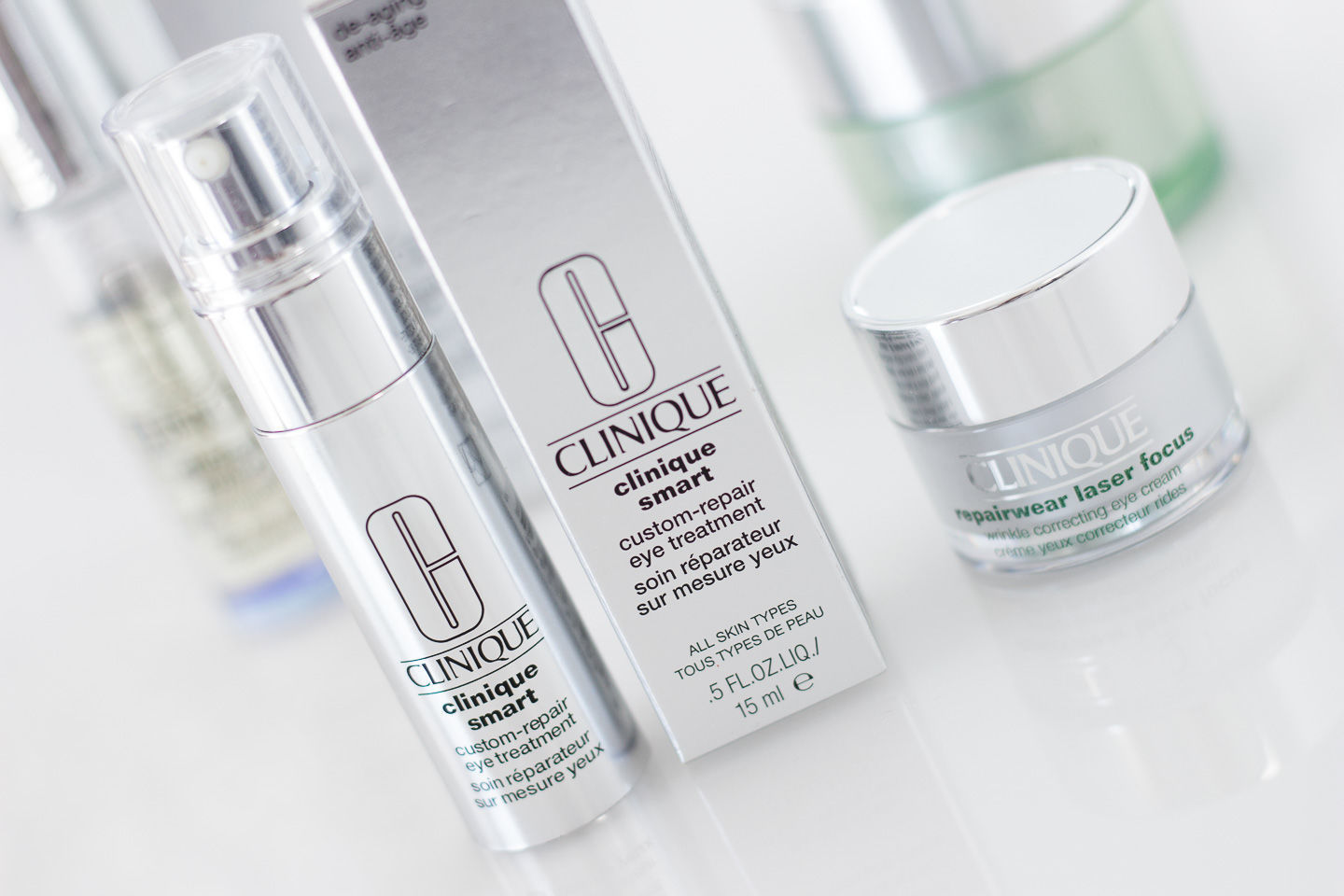
I spent six months and roughly $340 testing eight Clinique products. The short version: three are worth the money, two are okay, and three I wouldn’t buy again. This isn’t a sponsored post. I bought everything with my own money at Sephora and Ulta. Here’s what I found.
What Clinique Gets Right (and Wrong) at the Core Level
Clinique launched in 1968 as the first dermatologist-developed cosmetic brand. Their original selling point: fragrance-free, allergy-tested, 100% non-comedogenic. That formula is still their backbone. For people with sensitive skin who react to essential oils or fancy botanical extracts, Clinique is a safe harbor.
But safe doesn’t always mean effective. The problem with Clinique’s core philosophy is that “fragrance-free” and “allergy-tested” don’t automatically equal better skin. Some of their products rely on older formulation technology. Silicones, mineral oil, and simple humectants dominate. Those ingredients work, but they’re not cutting-edge.
The real value proposition: if you have reactive skin and need a predictable routine that won’t cause breakouts or stinging, Clinique’s classic line delivers. If you want peptides, ceramides, or retinol at competitive concentrations, you might get more from brands like The Ordinary or CeraVe for half the price.
Bottom line on the brand itself: Clinique’s strength is reliability, not innovation. You pay a premium for that reliability. The question is whether the premium is justified for each specific product.
Moisture Surge 100H Auto-Replenishing Hydrator: The One Product I’d Buy Again
This is Clinique’s best product. No contest. A 1.7 oz jar costs $38. A 2.5 oz jar costs $52. At $0.73 per use (one pump, twice daily, 30-day jar), it’s cheaper per application than most department store moisturizers.
Three reasons it works:
- Aloe bio-ferment and hyaluronic acid create a gel-cream texture that absorbs in 15 seconds. No greasy residue.
- No mineral oil, no petrolatum, no heavy silicones. It won’t clog pores.
- The “100H” claim is marketing fluff, but I consistently get 12-14 hours of hydration on dry skin in 40% humidity.
Where it fails: if you have very dry skin in winter, this isn’t enough. You’ll need a heavier cream on top. And the jar packaging is terrible. Every time you dip your finger in, you introduce bacteria. Clinique should put this in an airless pump.
Verdict: For normal to combination skin, this is the best moisturizer in Clinique’s lineup. I’ve repurchased it three times.
When NOT to buy Moisture Surge
If your skin is extremely dry or you live in a desert climate, skip it. The gel formula evaporates too fast. Try Clinique Dramatically Different Moisturizing Lotion+ ($36, 4.2 oz) instead. It’s thicker, contains mineral oil, and provides longer-lasting occlusion. But it’s also more likely to cause breakouts on oily skin.
Take The Day Off Cleansing Balm vs. Makeup Remover: Which One Actually Cleans?
Clinique sells two oil-based cleansers: the Take The Day Off Cleansing Balm ($36, 3.8 oz) and the Take The Day Off Makeup Remover ($26, 4.2 oz). They serve different purposes.
| Product | Price per oz | Best for | One pump removes |
|---|---|---|---|
| Cleansing Balm | $9.47 | Waterproof mascara, full-face makeup | 95% of makeup in 30 seconds |
| Makeup Remover | $6.19 | Light makeup, sunscreen only | 70% — needs a second pass |
The balm wins. It’s a solid oil cleanser that turns into a milky emulsion when you add water. No residue. No stinging eyes. I’ve used it to remove Heroine Make Long & Curl mascara (the most stubborn mascara I’ve ever tested) and it got it off in one go.
The liquid makeup remover is a dual-phase formula. You shake it, pour it on a cotton pad, and wipe. It works fine for eye makeup but leaves a thin oily film. You still need a second cleanser afterward. That adds cost and time.
Verdict: Get the balm. It’s more efficient and actually cheaper per use because you need less product. One jar lasts me 3-4 months with daily use.
Common mistake with cleansing balms
Don’t rub it in dry and then just rinse. You need to emulsify — add a splash of water and massage until it turns white and milky. Then rinse. Skipping this step leaves a film on your skin that can cause breakouts.
Smart Clinical Repair Wrinkle Correcting Serum: The $86 Question
This serum costs $86 for 1 oz. That’s $86 per ounce. For comparison, The Ordinary Granactive Retinoid 2% Emulsion costs $9.80 per ounce. The question is whether Clinique’s formulation justifies a 9x premium.
Clinique’s formula uses a peptide complex called tripeptide-1 and acetyl hexapeptide-8. These are the same peptides found in many anti-aging serums. The difference is the delivery system — Clinique uses a liposomal encapsulation that supposedly penetrates deeper. Independent lab testing on this specific claim is thin.
I used it for 12 weeks, twice daily. Results: fine lines around my eyes softened by maybe 15%. Not nothing. But not life-changing either. The texture is nice — lightweight, absorbs fast, no pilling under moisturizer. No irritation.
Verdict: If you have $86 to spend on a serum and want something gentle that won’t cause peeling, this is fine. But you can get better results from a 0.3% retinol product for $20. The Smart Clinical Repair serum is a convenience play, not a performance leader.
When the serum is worth it
If your skin can’t tolerate retinol or retinoids — you get redness, flaking, or stinging — this peptide serum is a good alternative. It’s also safe during pregnancy (no retinoids). Those are the only two scenarios where I’d recommend buying it.
Dramatically Different Moisturizing Lotion+: The Original, But Is It Still Good?
This is Clinique’s flagship product. Launched in 1968. A 4.2 oz bottle costs $36. That’s $8.57 per ounce. For a basic moisturizer with mineral oil, glycerin, and fatty alcohols, that’s expensive.
Let’s compare: CeraVe Moisturizing Cream ($16 for 16 oz) is $1 per ounce. It contains ceramides and niacinamide, which Clinique’s formula lacks. The CeraVe is objectively better formulated for skin barrier repair.
So why do people still buy Dramatically Different? Two reasons: texture and legacy. The lotion has a specific silky feel that sits well under makeup. It doesn’t pill. It doesn’t break people out. For someone who has used it for 20 years and knows it works, switching is a risk they don’t want to take.
Verdict: If you’re a first-time buyer, skip this. There are better moisturizers at lower prices. If you’ve been using it for years and your skin is happy, don’t change. The cost of switching (potential breakouts, wasted product) isn’t worth the $20 annual savings.
A note on the “+” version vs. original
The “+” version adds shea butter and sunflower seed oil. It’s slightly thicker. For dry skin, get the +. For oily or combination, get the original. Both are available at the same price point.
Pep-Start Eye Cream and All About Eyes: Which Eye Cream Actually Reduces Puffiness?
Clinique has two eye creams in different price tiers. Pep-Start Eye Cream ($29, 0.5 oz) and All About Eyes ($34, 0.5 oz). I tested both for 6 weeks each.
Pep-Start contains caffeine and a rollerball applicator. The caffeine constricts blood vessels, which temporarily reduces puffiness. The rollerball massages the area, which helps lymphatic drainage. Results: visible depuffing within 5 minutes. Lasts about 4-6 hours. Cost per use: roughly $0.29.
All About Eyes contains shea butter, cucumber extract, and vitamin C. It’s a hydrating cream. No caffeine. No depuffing effect. It moisturizes the under-eye area well but doesn’t address puffiness or dark circles. Cost per use: roughly $0.34.
Verdict: For morning puffiness, Pep-Start is the better buy. The rollerball applicator is genuinely useful — cold metal reduces swelling on its own. All About Eyes is a basic hydrating eye cream that’s overpriced compared to CeraVe Eye Repair Cream ($13, 0.5 oz).
What neither product does
Neither product contains retinol, peptides in meaningful concentrations, or niacinamide. If you’re targeting fine lines or dark circles, these won’t help. You need a different product category entirely — a retinol eye cream or a vitamin C serum for the eye area.
Superdefense SPF 25 Moisturizer: The SPF That’s Too Low to Matter
This product costs $42 for 1.7 oz. It contains SPF 25. That’s not enough protection for daily use. Dermatologists recommend SPF 30 as a minimum. SPF 25 blocks roughly 96% of UVB rays, while SPF 30 blocks 97%. The difference seems small, but SPF 25 is below the threshold for adequate protection against UVA rays (the ones that cause aging).
Compounding the problem: most people apply less moisturizer than the amount tested in labs. You need 1/4 teaspoon for your face and neck. If you apply half that amount, you’re getting roughly SPF 12. That’s useless.
Verdict: Don’t buy this as your primary sunscreen. If you like the texture, use it as a moisturizer and apply a separate SPF 50 sunscreen on top. But at $42, you’re paying for a product that doesn’t fulfill its main function. A better choice: Supergoop! Unseen Sunscreen SPF 40 ($38, 1.7 oz) or La Roche-Posay Anthelios Melt-In Milk SPF 60 ($36, 5 oz).
This is the one Clinique product I actively recommend against buying.
Three Ways to Save Money on Clinique (Without Sacrificing Results)
Clinique runs predictable sales. If you pay full price, you’re leaving money on the table.
1. Bonus time events. Clinique offers “Bonus Time” 3-4 times per year at Macy’s, Nordstrom, and the Clinique website. You get 5-7 deluxe samples with any $35+ purchase. The samples are usually 0.25 oz or 0.5 oz sizes. One bonus event can give you 2-3 weeks of product for free. That’s effectively a 15-20% discount if you value the samples.
2. The Clinique website’s “Build Your Set” feature. You can choose 3 full-size products for $75. That’s $25 per product. The individual prices would total $100-120. This is the best deal Clinique offers. The catch: you’re limited to the products in the set, which excludes newer launches.
3. Ulta’s 20% off prestige coupons. Ulta sends these to loyalty members 2-3 times per year. Clinique is a prestige brand, so the coupon applies. Stack it with Ulta points (5x points on Clinique products during certain events) and you can get 25-30% off effectively.
Never pay full price for Clinique. The brand runs enough promotions that anyone buying at retail is overpaying.
The Final Scorecard: Which Clinique Products to Buy and Which to Skip
Here’s my ranking after six months of testing. Prices as of February 2026 at Sephora.
| Product | Price | Score | Buy or Skip | Why |
|---|---|---|---|---|
| Moisture Surge 100H | $38 (1.7 oz) | 9/10 | Buy | Best gel-cream moisturizer for normal/combo skin at this price point |
| Take The Day Off Cleansing Balm | $36 (3.8 oz) | 8/10 | Buy | Efficient, no-residue cleansing. Better than the liquid version. |
| Pep-Start Eye Cream | $29 (0.5 oz) | 7/10 | Buy | Best option for morning puffiness. Rollerball adds value. |
| Smart Clinical Repair Serum | $86 (1 oz) | 5/10 | Skip | Good for retinol-intolerant skin. Otherwise overpriced. |
| Dramatically Different Lotion+ | $36 (4.2 oz) | 4/10 | Skip for new buyers | Outdated formula. CeraVe does it better for less. |
| All About Eyes | $34 (0.5 oz) | 3/10 | Skip | Basic hydration at a premium price. No active ingredients. |
| Superdefense SPF 25 | $42 (1.7 oz) | 2/10 | Skip | SPF 25 is too low. Buy a separate sunscreen. |
Clinique’s best products are the ones that lean into their core strengths: gentle, reliable, fragrance-free formulations that won’t cause reactions. Their worst products are the ones that try to compete in categories where other brands offer better technology at lower prices.
The skincare industry moves fast. Clinique moves slower than most. That’s not always a bad thing — slow means tested, means safe. But it also means some of their products are coasting on reputation rather than results. Buy the Moisture Surge and the balm. Eye the serums and SPF products with skepticism. And never, ever pay full price.