
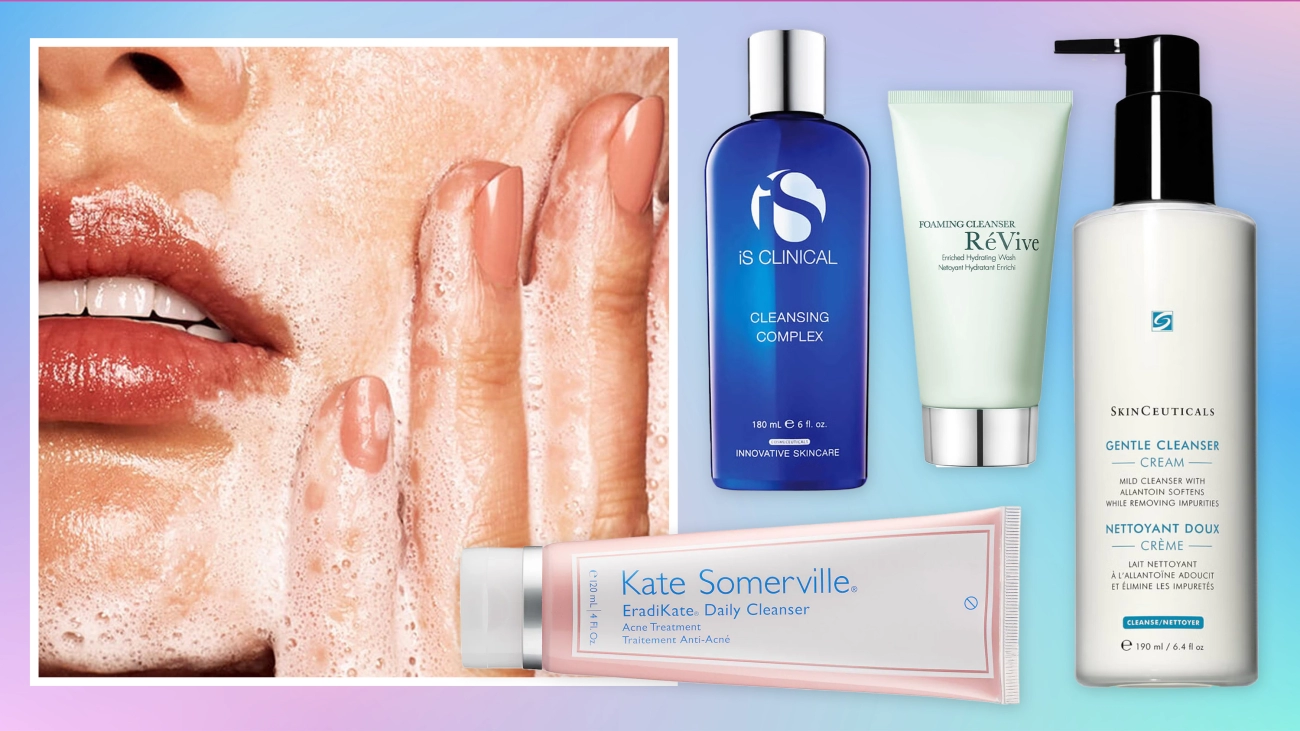
Understanding Your Skin Type
Before picking the right facial cleanser, it’s important to understand your skin type. Not sure how to identify skin type? Here’s a simple at-home test you can try: start with a clean face, wash gently, then wait for about 30 minutes without applying anything. Observe how your skin feels and looks.
There are five main skin types you should know:
- Dry Skin: Feels tight, rough, or flaky. Often dull and may show more fine lines.
- Oily Skin: Looks shiny, especially on the forehead, nose, and chin. Prone to enlarged pores and breakouts.
- Combination Skin: Oily in certain areas (usually the T-zone) and dry or normal elsewhere.
- Normal Skin: Balanced, neither too oily nor too dry. Feels smooth and looks healthy.
- Sensitive Skin: Easily irritated, red, or itchy, often reacting to products or environmental changes.
Your skin type isn’t fixed—factors like age, hormones, weather, and lifestyle habits can all influence it. For example, your skin might be oilier during summer or drier in the winter, and hormone changes can also shift your skin’s behaviour.
Knowing your skin type helps you choose a facial cleanser that supports your skin’s natural balance, whether you need a gentle cleanser for sensitive skin or a gel cleanser for oil control.
Common Types of Facial Cleansers
When choosing a facial cleanser, understanding the different types can help you find the best face wash for oily skin, dry skin, or sensitive skin.
- Gel cleansers are deep-cleansing and great for controlling excess oil. They help clear pores without feeling heavy, making them perfect if you’re dealing with oily or combination skin.
- Foaming cleansers create a rich lather that leaves your skin feeling fresh and clean. They\’re often used for oily skin but can be drying if overused on dry types.
- Cream or lotion cleansers are hydrating and gentle, designed to nourish dry or sensitive skin while cleansing without stripping natural oils.
- Oil-based or balm cleansers are excellent for removing makeup and sunscreen. They dissolve impurities effectively but don’t leave your skin feeling tight or dry, ideal for all skin types including sensitive ones.
- Micellar water is a no-rinse option that uses tiny cleansing micelles suspended in water to attract dirt and oil. It’s especially useful for sensitive skin or quick cleansing with minimal irritation.
The key difference between these textures lies in how they remove dirt and how they affect your skin’s moisture levels. For example, gel and foaming cleansers tend to remove oils more thoroughly but can be drying, while cream and oil-based cleansers focus on hydration and barrier support. Choosing the right texture based on your skin type ensures effective cleansing without unwanted side effects.
For more insights on gentle yet effective makeup removal, check out this guide on organic cleansers that actually remove makeup gently.
Choosing a Cleanser by Skin Type
Picking the right facial cleanser for your skin type is key to maintaining a healthy, balanced complexion. Here’s a quick guide to help you choose what works best for you:
- Dry Skin: Go for hydrating cream cleansers or lotion-based formulas that are gentle and non-foaming. Look for ingredients like hyaluronic acid and ceramides to lock in moisture. Avoid harsh sulfates or foaming cleansers that can strip your skin of its natural oils.
- Oily Skin: Gel cleansers and foaming face washes are great here—they help control sebum and deeply clean pores. Choose products with salicylic acid or niacinamide which are known for oil regulation and preventing breakouts.
- Combination Skin: You want a cleanser that balances the oily T-zone without over-drying the cheeks. Gentle gel or lightweight cream cleansers that provide hydration but also cleanse effectively are ideal.
- Normal Skin: Lucky you! A versatile, gentle cleanser—whether foaming or cream—will work well. The focus is maintenance, so opt for products with mild formulas that keep your skin happy without fuss.
- Sensitive Skin: Stick to fragrance-free, soothing cleansers that minimize irritation and redness. Look for calming ingredients like niacinamide or ceramides, and avoid alcohol, sulfates, or exfoliating beads.
Extra Tips for Acne-Prone or Mature Skin
- Acne-prone skin benefits from cleansers with salicylic acid or benzoyl peroxide but keep them gentle to avoid dryness.
- Mature skin needs hydrating, non-stripping cleansers that support the skin barrier and keep it soft.
For more insights on skincare ingredients, check out this detailed guide on 10 natural ingredients that transform your skin. This will help you spot beneficial components that fit your skin type perfectly.
Key Ingredients to Look For (and Avoid)
When choosing a facial cleanser for your skin type, the ingredients matter a lot. Here are some beneficial ones to prioritize:
- Hyaluronic acid – great for hydration, especially if you have dry or sensitive skin.
- Ceramides – help support your skin barrier, keeping moisture locked in and irritation down.
- Salicylic acid – perfect for oily or acne-prone skin, as it unclogs pores and controls oil.
- Niacinamide – works well across various skin types by soothing, reducing redness, and balancing oil production.
On the flip side, it’s best to avoid cleansers with:
- Harsh sulfates – these can strip your skin’s natural oils and cause dryness or irritation.
- Alcohol – often dries out skin and can worsen sensitivity.
- Strong fragrances – these can trigger redness or allergic reactions, especially in sensitive skin.
- Exfoliating beads – though popular, they can be abrasive and cause micro-tears, so better to steer clear.
Choosing a hydrating cream cleanser or a gentle cleanser for sensitive skin often means watching out for these irritants. Matching ingredients to your specific skin concerns helps create an effective routine, whether you need a salicylic acid face wash for breakouts or a niacinamide cleanser for balanced skin.
For more insights on keeping your skin calm and glowing, you might find tips on how cold weather affects your skin and solutions helpful, which you can explore in our guide on why cold weather wrecks your skin and how to fix it.
Common Cleansing Mistakes and How to Avoid Them
Even with the best facial cleanser for your skin type, some common mistakes can undo your efforts. Here’s what to watch out for:
- Over-cleansing or using hot water: Washing your face too often or with hot water can strip your skin’s natural oils, causing dryness and irritation. Stick to cleansing twice daily with lukewarm water to keep your skin balanced.
- Skipping double cleansing when needed: If you wear makeup or sunscreen, a double cleansing routine is essential. Start with an oil-based or balm cleanser to break down makeup, then follow with a gentle cleanser to remove residue.
- Ignoring how your skin feels after washing: If your skin feels tight or uncomfortable after cleansing, it likely means the cleanser is too harsh or stripping. Opt for a non-stripping facial cleanser that leaves your skin feeling soft and hydrated.
- Frequency guidelines: Cleansing twice daily — morning and night — is usually best for maintaining clear, healthy skin without overdoing it.
By avoiding these pitfalls, you’ll get the most out of your cleanser and protect your skin’s natural barrier.
Building a Simple Cleansing Routine
Creating a straightforward cleansing routine helps keep your skin healthy without overdoing it. Here’s how to get the most from your facial cleanser for dry skin, oily skin, or any type in between.
Morning vs. Evening Cleansing
- Morning: A gentle cleanse removes sweat and overnight oils. Use a mild, non-stripping facial cleanser to wake up your skin without drying it out.
- Evening: This is the time to thoroughly cleanse away dirt, makeup, sunscreen, and excess oils accumulated throughout the day. Double cleansing—starting with an oil-based or balm cleanser followed by a gel or foaming face wash—is ideal if you wear makeup or sunscreen.
Step-by-Step Application Tips
- Start with clean hands to avoid transferring bacteria.
- Use lukewarm water—not hot—to prevent skin dryness or irritation.
- Apply a small amount of cleanser and gently massage your face in circular motions for about 30 seconds.
- Rinse thoroughly and pat dry with a soft towel.
- Follow up with your toner, serum, or moisturizer to lock in hydration.
When to Incorporate Double Cleansing
If you wear makeup, sunscreen, or live in a polluted area, double cleansing is a smart step to avoid clogged pores and breakouts. First, remove surface impurities with an oil-based cleanser, then follow up with your regular cleanser suited to your skin type. This method ensures deep cleansing without stripping your skin.
Transitioning to a New Cleanser Safely
Switching cleansers? Do it gradually:
- Start by using the new cleanser once a day for a few days while continuing with your old one.
- Monitor your skin for any dryness, irritation, or breakouts.
- If your skin adjusts well, switch fully to the new cleanser.
- This gradual approach helps avoid shocking your skin and ensures a smoother transition.
Remember, a consistent but gentle cleansing routine tailored to your skin type is key for healthy, glowing skin. For beginners, building a simple skincare regime with clear steps will help you avoid common mistakes and maintain balanced skin — check out this guide on how to build a simple skincare routine for beginners for more tips.