

You brush your hair 100 strokes a night. You buy the expensive shampoo. You sleep with a silk pillowcase. And your hair still breaks off at the same length every six months.
That is not bad luck. That is bad technique. The average woman loses 50–100 strands a day, but mechanical breakage from wrong tools and habits adds another 30–50%. Most of that damage happens in your own bathroom.
Here are the seven mistakes you are probably making right now — and the exact fixes that cost nothing or less than your current products.
1. Washing Your Hair Wrong (The Shampoo Bar Scam)
You scrub shampoo into your ends first. Then you pile everything on top of your head and rub like you are washing a stain out of a shirt. Stop.
Shampoo is designed to clean the scalp, not the lengths. The scalp produces sebum, sweat, and product buildup. The hair shaft — especially the last six inches — is porous and fragile. Scrubbing it with sulfate-heavy shampoo strips the cuticle and creates flyaways that no conditioner can fix.
The fix: Apply shampoo only to your scalp. Massage with fingertips (not nails) for 60 seconds. Let the suds run down the length as you rinse. That is enough to clean the ends without stripping them.
If you use dry shampoo between washes, double-rinse the scalp area. Residue buildup clogs follicles and slows growth. The Mielle Organics Rosemary Mint Shampoo ($12, 12 oz) is a solid choice for normal hair — it cleans without the harsh sulfates found in drugstore brands like Pantene Pro-V.
For oily scalps, the Kérastase Bain Divalent Balancing Shampoo ($38, 8.5 oz) is better. It targets excess sebum without nuking the hair shaft. Pricey, but you use half as much as cheaper shampoos.
2. Conditioner Application: You Are Doing It Backward

Most people slap conditioner on the top of their head, let it sit for 30 seconds, and rinse. That is useless.
Conditioner needs to sit on the mid-lengths and ends — the oldest, most damaged parts of your hair. The scalp does not need it. Putting conditioner on your roots makes hair limp, greasy faster, and can clog follicles if you do not rinse thoroughly.
| Area | Conditioner Amount | Dwell Time | Rinse Temp |
|---|---|---|---|
| Scalp | None | — | — |
| Mid-lengths (ear to chin) | Quarter-size | 2 minutes | Cool water |
| Ends (last 3 inches) | Dime-size extra | 3–5 minutes | Cool water |
Why cool water? Warm water opens the cuticle, which lets conditioner penetrate. Cool water closes it, locking moisture in and reducing frizz. That is not a beauty myth — it is basic hair science.
For dry or curly hair, the Briogeo Don’t Despair, Repair! Deep Conditioning Mask ($36, 8 oz) is worth every dollar. It uses biotin and algae extract instead of silicones that just coat the hair. Leave it on for 10 minutes under a shower cap once a week.
3. Towel Drying With Terrible Technique
Wet hair is at its weakest. The cuticle lifts when saturated, and the hair can stretch up to 30% before snapping. Rubbing a towel back and forth across wet hair is like taking sandpaper to silk.
Yet that is exactly what most people do. They grab a terry cloth towel — which has rough loops that catch on the cuticle — and rub vigorously. The result: micro-fractures in the hair shaft that show up as split ends two weeks later.
The fix: Use a microfiber towel or an old cotton T-shirt. Squeeze sections of hair gently from root to tip. Do not rub. Do not twist. Let it air-dry to 80% before you touch it with a brush.
If you must blow-dry, apply a heat protectant first. The Olaplex No. 7 Bonding Oil ($30, 1 oz) doubles as a heat protectant up to 450°F and a finishing oil. Two drops is enough for shoulder-length hair. Most people use five drops and wonder why their hair looks greasy.
4. Brushing Wet Hair With the Wrong Tool
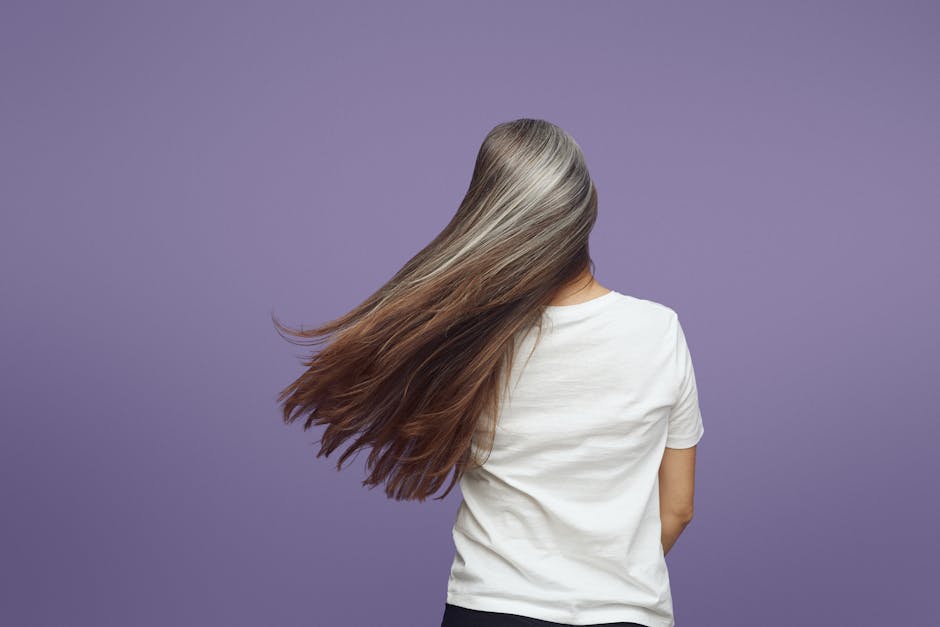
Wet hair should never meet a fine-tooth comb or a paddle brush. When hair is wet, the bonds inside each strand are temporarily broken. Pulling a brush through creates tension that snaps those bonds permanently.
That is why you see hair in the brush after every shower. You are literally breaking your hair off at the root or mid-shaft.
The fix: Detangle wet hair with a wide-tooth comb or a Wet Brush Pro Flex Dry Detangler ($12). Start at the ends. Work upward in small sections. Hold the hair above the section you are combing to reduce tension on the scalp.
If you have thick or curly hair, detangle in the shower while conditioner is still in. The slip from the conditioner reduces friction by about 60% compared to detangling dry or after rinsing.
Never brush dry curly hair. Use fingers or a wide-tooth comb only. Curly hair is structurally weaker than straight hair — the twists create stress points that snap under brush pressure.
5. Heat Styling Without a Strategy
You use a flat iron at 450°F because you want it straight on the first pass. That temperature is hot enough to melt the protein structure of your hair. After 10 passes, the cuticle is gone and your hair looks fried.
The truth: Most hair does not need 450°F. Fine hair straightens at 300–350°F. Medium hair at 350–400°F. Only coarse, thick, or very curly hair needs 400–450°F. And even then, one pass at the right temperature is better than three passes at the wrong one.
Use a heat protectant spray or serum every single time. The Tresemmé Thermal Creations Heat Tamer Spray ($6, 8 oz) is cheap and works. Spray from 6 inches away, comb through, then style.
Limit heat styling to twice a week max. On off days, use heatless methods: braid damp hair for waves, use foam rollers for volume, or twist sections and pin them for a set that lasts two days.
If you blow-dry, use the concentrator nozzle. It directs air down the hair shaft, which smooths the cuticle. Without the nozzle, the air blows everywhere and creates frizz.
6. Ignoring Your Scalp Until It Hurts
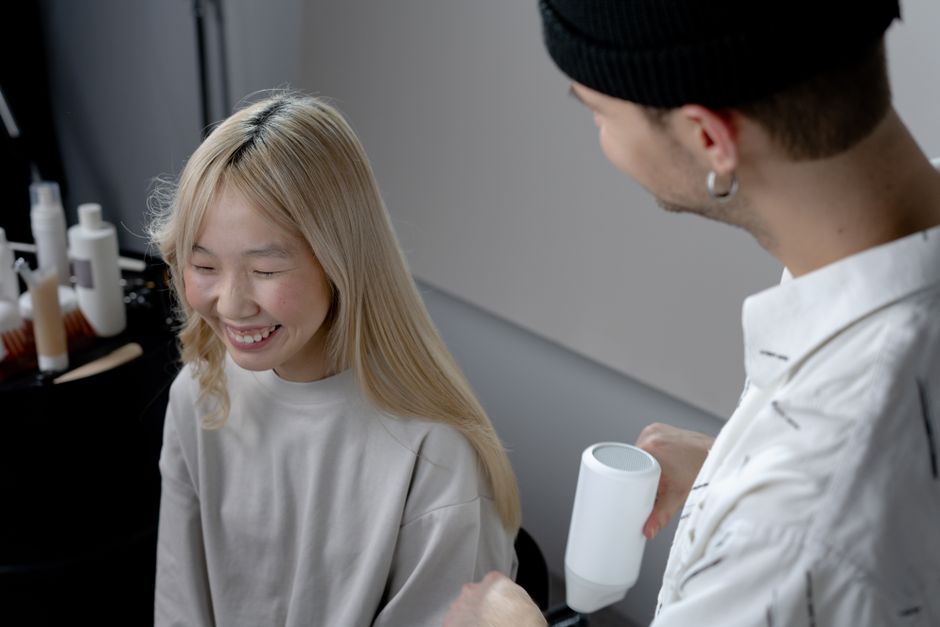
Hair grows from the scalp. If your scalp is inflamed, dry, or clogged, the follicles cannot produce healthy strands. Yet most people spend $40 on shampoo and $0 on scalp care.
Signs of an unhealthy scalp: itching, flaking, redness, tenderness, or hair that falls out with a white bulb at the end. The white bulb means the hair shed from the root — normal in small amounts, but a sign of stress if you see it on more than 10 strands a day.
The fix: Exfoliate your scalp once a week. Use a silicone scalp brush ($8 on Amazon) with your regular shampoo. Massage in circular motions for 2 minutes. This removes dead skin and product buildup better than fingers alone.
For dry scalp, apply a few drops of The Ordinary Multi-Peptide Serum for Hair Density ($17, 60 ml) directly to the scalp after washing. Massage in. It contains copper peptides and caffeine, which increase blood flow to follicles. Studies show consistent use over 6 months increases hair density by about 12%.
If you have dandruff, use a ketoconazole shampoo like Nizoral AD ($15, 7 oz) twice a week. Dandruff is often caused by a fungus that inflames the scalp. Ketoconazole kills it. Leave the shampoo on for 5 minutes before rinsing.
7. Sleeping on Cotton Pillowcases (Silk Is Not a Luxury)
Cotton absorbs moisture. Every night, your hair loses hydration to the pillowcase. Cotton also creates friction. Tossing and turning on a cotton pillowcase causes tangles, breakage, and frizz by morning.
Silk or satin pillowcases reduce friction by about 70% compared to cotton. They do not absorb moisture, so your hair stays hydrated and your products last longer.
The fix: Buy a mulberry silk pillowcase. The ZIMASILK Mulberry Silk Pillowcase ($30, queen size) is 22 momme — the standard for quality. Wash it in a mesh bag on gentle cycle, air dry. It lasts two years if you treat it right.
If you cannot sleep on silk, put your hair up instead. A loose pineapple ponytail at the crown of your head keeps hair off the pillow. Use a scrunchie, not a hair tie. Hair ties with metal joiners snag and break strands.
Braiding damp hair before bed gives you heatless waves the next morning. Do not braid wet hair — that causes mildew and breakage. Damp is fine.
Your Final Verdict
You do not need a $100 shampoo or a salon visit to fix your hair. You need to stop doing the things that break it.
Start with the two biggest changes: wash your scalp, not your ends, and stop brushing wet hair. Those two fixes alone will reduce breakage by at least 40% in the first month.
Add a silk pillowcase and a weekly scalp massage. That is four changes, zero new products (except the pillowcase). Do that for 90 days. You will see new growth at the roots and less hair in the drain.
If you want one product to invest in, get the Olaplex No. 3 Hair Perfector ($30, 3.3 oz). Use it once a week before shampooing. It rebuilds broken disulfide bonds in the hair. That is the closest thing to a miracle product in hair care. But it only works if you stop breaking your hair in the first place.
Tags: at home hair care, beauty tips, hair damage, hair growth, hair routine, scalp health, split ends