
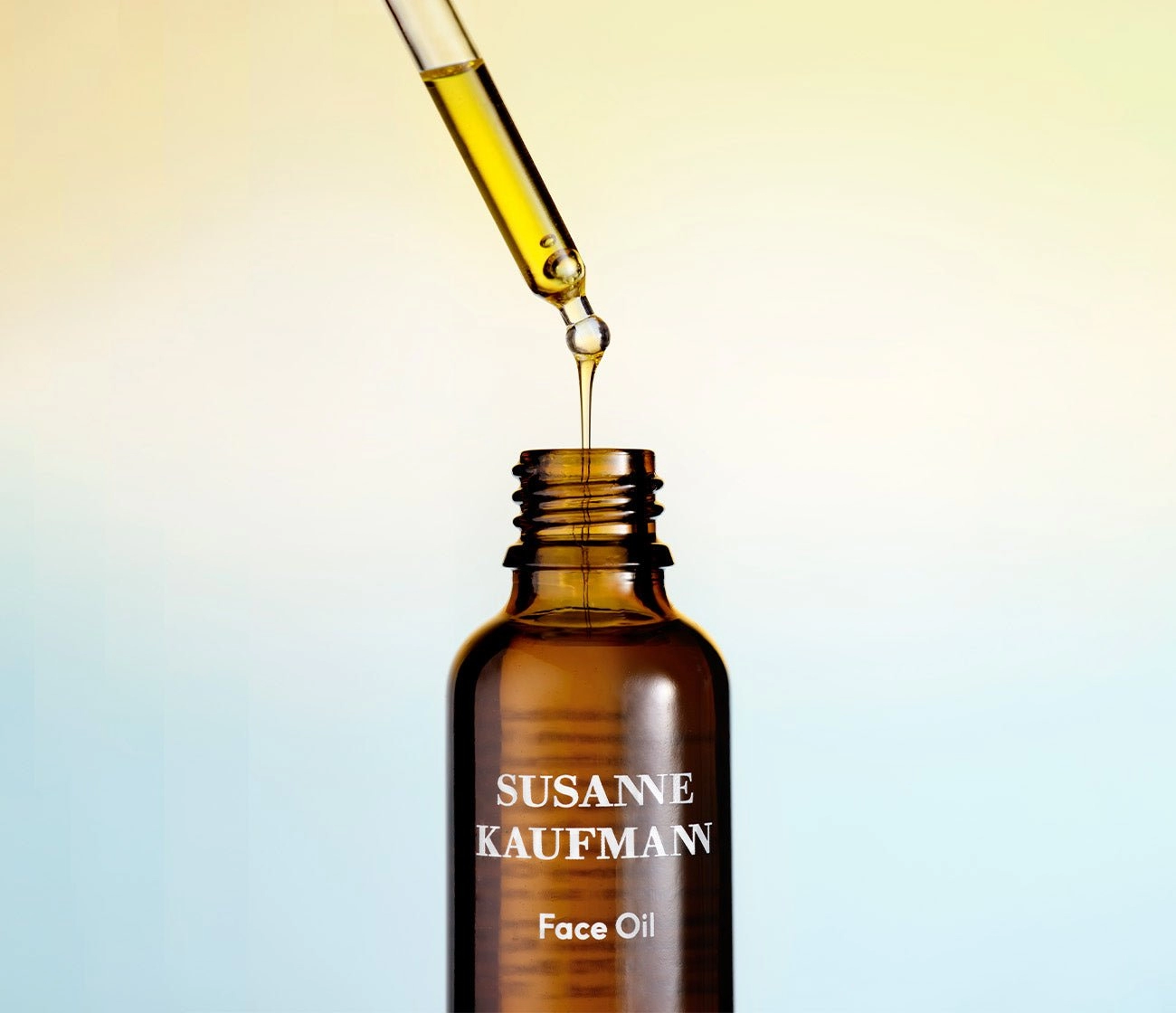
What Are Facial Oils and How Do They Work?
Facial oils are concentrated, plant-derived liquids packed with essential fatty acids, vitamins, and antioxidants. These nutrient-rich oils are designed to nourish your skin deeply, providing more than just surface-level hydration.
How do facial oils work? They act as occlusives, meaning they create a protective barrier that locks in moisture and prevents transepidermal water loss. By mimicking your skin’s natural lipids, facial oils help restore balance and promote a healthy skin barrier. When you choose non-comedogenic face oils, they absorb easily without clogging pores or causing breakouts, making them suitable for a variety of skin types. Incorporating facial oils into your skincare routine can enhance hydration, boost radiance, and deliver long-lasting nourishment.
Key Benefits of Incorporating Facial Oils
Facial oils offer a range of benefits that can transform your skincare routine. Here’s a quick breakdown of what they do for your skin:
| Benefit | How It Helps |
|---|---|
| Deep Hydration | Locks in moisture and prevents transepidermal water loss, ideal for dehydrated skin. |
| Strengthened Skin Barrier | Replenishes skin lipids, protecting against pollution, cold weather, and other environmental stressors. For tips on protecting your skin in harsh climates, check out our guide on why cold weather wrecks your skin and how to fix it. |
| Balanced Oil Production | Helps oily skin by regulating sebum, reducing shine and breakouts without clogging pores. |
| Anti-Aging Support | Packed with antioxidants and fatty acids that boost collagen, reduce fine lines, and improve skin elasticity. |
| Soothing & Anti-Inflammatory | Calms irritation, redness, and skin conditions like eczema and rosacea. |
| Enhanced Radiance | Improves circulation and nutrient delivery for a healthy, glowing complexion. |
| Antioxidant Protection | Fights free radicals to support long-term skin health and prevent damage. |
Using facial oils can seriously upgrade how your skin feels and looks, whether you have dry, oily, or sensitive skin. The blend of hydrating, repairing, and soothing effects makes them a powerful addition to any skincare routine.
Facial Oils for Different Skin Types
Choosing the right facial oils depends a lot on your skin type. Here’s a quick guide to help you pick oils that deliver the best results without causing issues:
| Skin Type | Best Facial Oil Qualities | Examples & Tips |
|---|---|---|
| Dry Skin | Rich, deeply hydrating oils that nourish intensely | Argan oil, Marula oil – perfect for locking in moisture and repairing skin barrier |
| Oily / Acne-Prone Skin | Lightweight, non-comedogenic oils that control shine and balance sebum | Jojoba oil, Squalane – mimic natural oils and reduce breakouts; great for oily skin balance. For more on managing acne-prone skin, see this comparison of DIY vs store-bought remedies |
| Combination Skin | Apply richer oils on dry areas and lighter oils on oily zones | Use rosehip oil on dry cheeks and squalane on T-zone for balanced hydration |
| Sensitive Skin | Soothing, fragrance-free, anti-inflammatory oils | Calendula or chamomile-infused oils calm redness without irritation |
| Mature Skin | Regenerative, firming oils rich in antioxidants and vitamins | Rosehip oil is excellent for anti-aging, boosting collagen and skin elasticity |
No matter your skin type, the key is selecting non-comedogenic face oils to avoid clogged pores. Tailoring your facial oils helps maintain your skin’s natural glow and supports overall skin barrier repair.
Popular Facial Oils and Their Specific Benefits
Here’s a quick guide to some of the best facial oils and what they bring to your skincare routine:
| Facial Oil | Key Benefits | Skin Types Best For |
|---|---|---|
| Jojoba Oil | Mimics natural sebum, balances oil production | All skin types, especially oily and combination |
| Argan Oil | Rich in vitamin E, hydrates and repairs skin | Dry and mature skin |
| Rosehip Oil | Packed with vitamins A and C, brightens skin and helps reduce scars | All skin types, great for uneven tone |
| Squalane | Lightweight, non-comedogenic, locks in moisture | Oily, acne-prone, and sensitive skin |
| Marula Oil | Antioxidant-rich for enhanced glow and protection | Dry and aging skin |
Jojoba oil is a top choice in facial oils for oily skin due to its ability to mimic your skin’s natural sebum, helping balance oil without clogging pores. Argan oil stands out in hydration and repair thanks to its vitamin E content, making it a favourite for dry or mature skin types.
For those aiming for brighter, more even skin tone and scar reduction, rosehip oil’s vitamins A and C are particularly beneficial. Meanwhile, squalane oil offers lightweight hydration that won’t feel greasy or cause breakouts, perfect if you want a natural glow without heaviness.
Marula oil is a powerhouse antioxidant face oil, packed with nutrients that protect skin from environmental damage and boost radiance.
Using the right facial oils can tailor your skincare routine for hydration, repair, or glow—making them smart choices for a personalized approach. For more insight into hydration versus moisture retention, check out this detailed guide on hydration vs moisture to understand how facial oils lock in the benefits.
How to Incorporate Facial Oils into Your Skincare Routine
Adding facial oils to your routine is easier than you might think, but the order of application matters. Use your facial oil after serums and moisturizer, as the last step to lock in all the hydration and nutrients. Some prefer mixing a few drops of oil into their moisturizer for extra boost, but applying oils alone works best to seal everything in.
When it comes to timing, go for lighter oils in the morning under your SPF to avoid heaviness, and choose richer oils at night for deep repair while you sleep. This approach helps your skin get the right level of nourishment throughout the day.
For applying, start with 2-4 drops and warm the oil between your palms before gently pressing it onto your face. A gentle facial massage can improve circulation and enhance absorption, giving your skin that natural glow.
Remember to start small with the amount and frequency to avoid overloading your skin. You can use facial oils daily or whenever your skin feels dry or stressed. For a clear guide on layering skincare products correctly, check out this helpful resource on how to layer skincare products correctly.
Common Myths and Misconceptions Debunked
Facial oils often get misunderstood. Let\’s clear up some common myths:
| Myth | Truth |
|---|---|
| Facial oils cause acne | Many facial oils are non-comedogenic, meaning they don’t clog pores and can actually help reduce breakouts by balancing oil production. |
| Only for dry skin | Facial oils benefit oily and combination skin too, by regulating sebum and improving overall skin health. |
| They make skin greasy | When applied properly, facial oils absorb well, leaving a natural, dewy finish — not an oily one. |
Understanding these points helps you safely add facial oils into your skincare routine with confidence. For more tips on sensitive skin care while using facial oils, check out these best practices for sensitive skin.
Potential Drawbacks and Precautions
While facial oils offer many benefits, it’s important to approach them with some care. First, always patch test a new oil to check for any allergic reactions, especially if you have sensitive skin. Apply a small amount on your wrist or behind your ear and wait 24 hours to see if irritation occurs.
If you’re prone to clogged pores or acne, avoid comedogenic face oils that can block follicles and worsen breakouts. Look for oils labeled as non-comedogenic, such as squalane or jojoba oil, which hydrate without causing congestion.
Lastly, if you have severe acne, eczema, or other persistent skin conditions, it’s wise to consult a dermatologist before adding facial oils to your skincare routine. A professional can guide you on the best oils and formulations for your skin’s unique needs.
For more on busting common skincare myths and precautions, you might find this insightful page on beauty myths debunked by dermatologists helpful.