
What Exactly Is Vegan Makeup?
Vegan makeup means products made without any animal-derived ingredients. Think of it as cosmetics that skip substances like beeswax, lanolin, carmine, or honey. But here’s a common mix-up: vegan makeup is not the same as cruelty-free makeup.
| Term | Meaning |
|---|---|
| Vegan Makeup | Contains no animal ingredients |
| Cruelty-Free | Not tested on animals, but may contain animal ingredients |
Many brands claim to be cruelty-free but still include animal-based ingredients. So, why does this matter? Vegan makeup goes a step further, appealing to those who want products aligned with a fully plant-based lifestyle.
Common Misconceptions
- All cruelty-free makeup is vegan: False. A product can be cruelty-free but contain beeswax or carmine.
- Vegan makeup isn’t effective: Many vegan products perform just as well—if not better—than traditional formulas.
- Vegan means natural: Not always. Vegan makeup can contain synthetic ingredients but just no animal parts.
Key Certifications to Look For
To make shopping easier and trustworthy, check for respected certifications that guarantee both ethics and quality:
- Leaping Bunny: Ensures no animal testing at any production stage.
- The Vegan Society: Certifies products free from animal ingredients.
- PETA’s Beauty Without Bunnies: Confirms cruelty-free and often vegan claims.
These logos help you quickly spot genuine vegan beauty products and avoid greenwashing.
Visual Suggestion:
Create an infographic contrasting \”Vegan vs. Cruelty-Free\” with clear icons and a checklist of key certifications for quick shopping tips.
The Ethical Revolution: Ending Animal Suffering
The rise of vegan makeup is deeply tied to a growing ethical revolution focused on ending animal suffering. For decades, animal testing was a norm in the cosmetic industry, but significant changes have reshaped this practice worldwide. The European Union made history by banning animal testing for cosmetics in 2013, followed by countries like India and China taking steps to restrict or ban such tests. These legal movements reflect a global shift toward cruelty-free cosmetics and plant-based makeup alternatives that don’t rely on harming animals.
Today, many consumers feel strongly about animal cruelty. This emotional connection drives people to choose ethical beauty products that align with their values. Knowing their makeup is free of animal testing creates a sense of responsibility and pride, reinforcing the demand for vegan and cruelty-free brands. The momentum is further fuelled by powerful influencer and celebrity endorsements. Stars like Rihanna and Billie Eilish actively promote vegan beauty trends 2026 and beyond, showing their commitment to sustainable makeup brands and encouraging millions of fans to follow suit.
This ethical wave isn’t just about kindness; it’s a call for a beauty industry that respects all living beings. As a result, cruelty-free and vegan brands are no longer niche but becoming the standard consumers seek in today\’s market.
Environmental Impact: Vegan Makeup as a Climate-Friendly Choice
Vegan makeup isn’t just about ethics—it’s also a smarter choice for the planet. Many animal-derived ingredients used in traditional cosmetics, like carmine (from crushed insects), beeswax, and lanolin (from sheep’s wool), come with a surprisingly high carbon footprint. Their production often involves resource-heavy farming, animal agriculture, and sometimes harmful environmental practices.
Switching to plant-based alternatives helps lower environmental impact significantly. Ingredients such as candelilla wax, soy wax, and various vegetable oils reduce reliance on animal agriculture, which is a major contributor to greenhouse gas emissions. Plus, these plant-based components are often renewable and biodegradable, making them an eco-friendlier option.
Packaging matters too. The rise of sustainable makeup brands is driving trends toward refillable containers, biodegradable materials, and zero-waste designs. Many vegan beauty products now embrace minimal or recyclable packaging, cutting down landfill waste and reducing pollution. This combination of eco-friendly ingredients and packaging makes vegan makeup a clear leader in the growing movement toward climate-friendly cosmetics.
For those interested in simple ways to update their beauty routine sustainably, check out this guide on a bronzy makeup look with Dior, which features some eco-conscious tips that fit right into the clean beauty movement.
Health and Clean Beauty: Why Consumers Are Choosing Non-Toxic Formulas
More people are turning to vegan makeup because they want non-toxic, clean beauty products that are gentle on their skin. Many conventional cosmetics include harmful ingredients like parabens, phthalates, and talc, which raise health concerns. Choosing paraben-free and vegan makeup helps avoid these chemicals, making the products safer for daily use.
The growing clean beauty movement and the trend of “skinimalism” — which focuses on minimal, natural-looking makeup — have pushed consumers towards simpler, safer formulas. Vegan makeup often features skin-friendly plant-based ingredients such as aloe vera, shea butter, and fruit extracts, all known for their soothing and nourishing properties.
This shift is about more than just what’s on the label — it’s about improving skin health while supporting ethical beauty products that align with a lifestyle focused on wellness and sustainability. For those interested in eye makeup, exploring new vegan options for eyeliners and mascaras can be a great step towards embracing clean, effective beauty routines. For example, some recommended favourite eyeliners pair well with non-toxic, vegan formulas to complete your looks.
Millennials, Gen Z, and the Social Media Effect
The rise of vegan makeup is closely tied to Millennials and Gen Z, who make up the most socially conscious and digitally connected consumers today. Platforms like TikTok, Instagram, and YouTube have accelerated the vegan beauty trend by turning ethical beauty products into viral sensations. Hashtags such as #VeganMakeup and #CrueltyFree often trend, sparking challenges and tutorials that encourage followers to switch to plant-based makeup and cruelty-free cosmetics.
Beauty influencers and micro-communities play a huge role in spreading awareness. They review sustainable makeup brands, debunk myths about vegan formulas, and share clean beauty routines that emphasize non-toxic makeup ingredients. This organic, peer-driven approach has helped vegan makeup evolve from a niche choice into a mainstream one, influencing not only individual buyers but also larger brands adapting to this shift.
Global Market Growth and Regional Differences
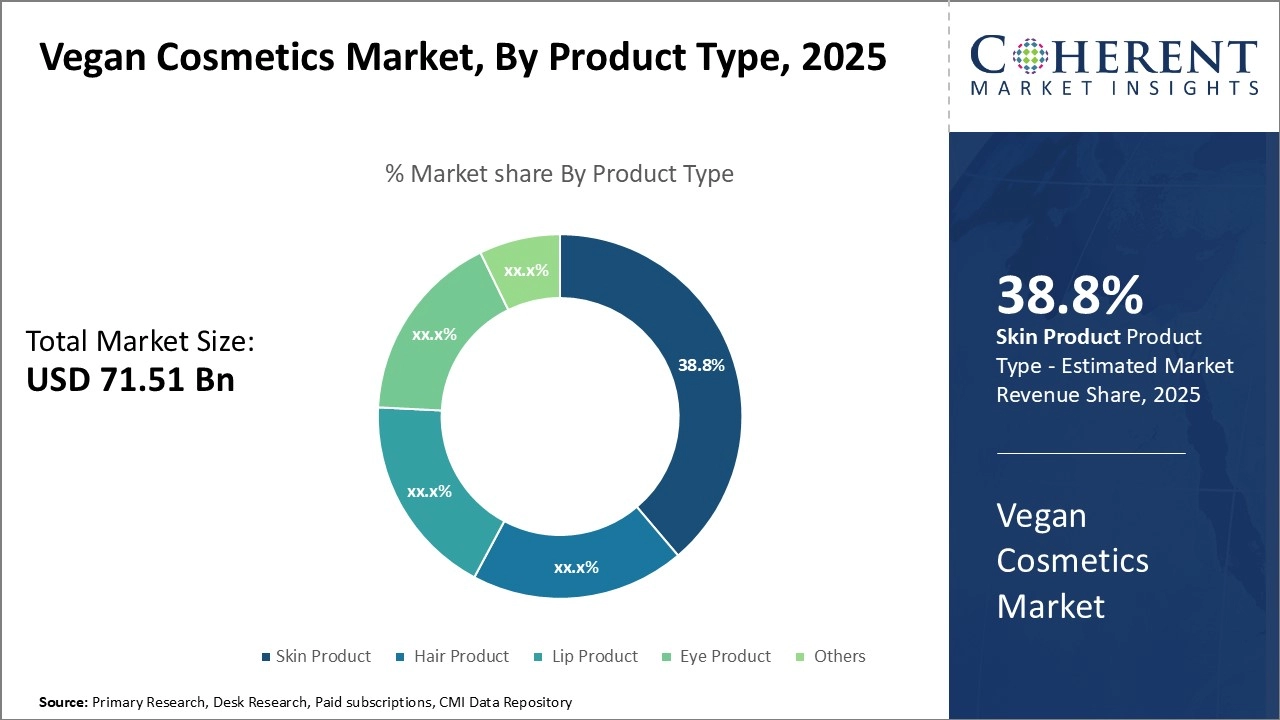
The vegan makeup market is booming worldwide, with a strong compound annual growth rate (CAGR) of about 10-12% between 2026 and 2030. Consumer demand for ethical beauty products and sustainable makeup brands is driving this rapid expansion.
Key Markets and Growth Rates
| Region | Market Status | Highlights |
|---|---|---|
| Europe | Largest and most mature | Strict animal testing bans, strong clean beauty movement |
| North America | Fast-growing | High demand for cruelty-free cosmetics, eco-friendly trends |
| Asia-Pacific | Rapid expansion | South Korea and India lead vegan beauty trends in the region |
| Latin America | Emerging market | Growing awareness of animal testing alternatives and vegan makeup benefits |
| Middle East | Developing market | Increasing interest in plant-based makeup and ethical beauty products |
Europe remains the leader due to strict regulations and eco-conscious consumers. North America follows closely, with vibrant market segments emphasizing cruelty-free and vegan brands. Asia-Pacific is catching attention fast, especially with South Korea’s K-beauty innovation and India’s rising vegan beauty trends in 2026.
Emerging regions like Latin America and the Middle East show promising growth, fueled by younger consumers embracing vegan makeup benefits and sustainable options.
This diverse global landscape reflects the rising awareness and acceptance of vegan makeup, making it a key player in the future of cosmetics.
For more on sustainable beauty innovations, check out the latest in clean beauty and skin glow foundations.
Major Brands Leading the Vegan Makeup Revolution
The vegan makeup movement is no longer niche—major brands are fully embracing plant-based makeup and ethical beauty products. Established names like Urban Decay, Too Faced, and Kat Von D Beauty have all launched extensive vegan and cruelty-free cosmetics lines, making it easier than ever for consumers to find reliable, high-performance options. These brands prove that ethical beauty products don’t mean you have to compromise on quality or variety.
Alongside these giants, indie heroes such as Ilia, RMS Beauty, and e.l.f. Cosmetics continue to push the boundaries with innovative, sustainable makeup brands that prioritize non-toxic, clean beauty formulations. Their commitment to eco-friendly cosmetics often includes paraben-free and vegan makeup options that appeal to younger, environmentally conscious shoppers.
Luxury vegan options are also booming, with companies like Gucci, Charlotte Tilbury, and Pat McGrath Labs leading the charge in high-end, sustainable makeup. For instance, Charlotte Tilbury’s vegan-friendly products, as seen in their magic cream range, offer both glamour and ethical choices, linking luxury with the clean beauty movement. This blend of prestige and purpose signals a shift in how consumers view luxury cosmetics—where sustainability is just as important as style.
Together, these brands shape the rise of the vegan beauty industry worldwide, proving that cruelty-free and vegan brands can flourish across all price points and product categories.
Challenges and Criticisms of Vegan Makeup
While vegan makeup is gaining popularity, it’s not without its challenges. One common concern is the higher price point compared to conventional products. Plant-based ingredients and ethical certifications often cost more to source and produce, which can push prices up, making it less accessible for some consumers.
Performance is another criticism, especially around products like vegan mascara. Some users report shorter longevity or less intense wear compared to formulas with animal-derived ingredients like beeswax or lanolin. However, many brands are improving formulations to close this gap.
Finally, greenwashing remains a problem in the vegan beauty industry. Some companies label products as vegan or cruelty-free without proper certification or transparency, misleading customers who want truly ethical and sustainable options. It’s essential to look for key certifications like the Leaping Bunny or Vegan Society mark to ensure authenticity.
For more insights on mascara performance and how brands address these concerns, you can check out this detailed review of mascaras.
The Future of Vegan Makeup
Vegan makeup is set to become even more exciting with fresh innovations transforming the beauty world. Biotech-derived ingredients are leading the way, offering sustainable and cruelty-free options that mimic animal-based components without harming any creatures. For example, lab-grown silk and plant-based alternatives are revolutionizing how formulas feel and perform. Plus, 3D-printed pigments are emerging, allowing for vibrant colours that reduce waste and environmental impact.
Looking ahead to 2030 and beyond, the global vegan cosmetics market is expected to grow rapidly, driven by consumer demand for ethical beauty products and clean beauty movement principles. Traditional brands that once focused mainly on conventional formulas are now pivoting towards vegan lines, integrating eco-friendly cosmetics and non-toxic makeup ingredients into their portfolios.
This shift means more accessibility and variety for customers worldwide, making it easier than ever to choose sustainable makeup brands that align with their values. The future clearly belongs to cruelty-free cosmetics that deliver both quality and conscience, helping reshape the beauty industry from the inside out.
FAQs About Vegan Makeup
Is all cruelty-free makeup vegan?
No, not all cruelty-free makeup is vegan. Cruelty-free means the product wasn’t tested on animals, but it can still contain animal-derived ingredients like beeswax or carmine. Vegan makeup goes a step further by excluding any animal ingredients, ensuring the product is fully plant-based or synthetic.
Are vegan makeup products better for your skin?
Many people find vegan makeup to be gentler and better for their skin because it often avoids harsh chemicals and uses skin-friendly plant-based ingredients like aloe vera, shea butter, and fruit extracts. Plus, vegan formulas frequently align with the clean beauty movement, focusing on non-toxic and paraben-free makeup.
What are the best vegan makeup brands for beginners?
If you\’re just starting with vegan makeup, brands like e.l.f. Cosmetics, Ilia, and RMS Beauty offer affordable, easy-to-use products that don’t compromise on quality. These brands are known for their ethical beauty products and are widely praised for their performance and accessibility.
Can men use vegan makeup?
Absolutely! Vegan makeup is for everyone, regardless of gender. As the market grows, more brands are offering versatile, natural-looking options that appeal to anyone wanting ethical, non-toxic, and cruelty-free cosmetics. The rise of “skinimalism” means simpler, cleaner makeup routines fit all lifestyles.
For a closer look at clean beauty and ethical products, you might find these favorite products from Cliniq worth exploring—they highlight some excellent cruelty-free and vegan options.