
Landing in **Milan** with just 48 hours on the clock can feel like a race against time. You want to soak in the fashion, history, and vibrant atmosphere without rushing or missing out. The biggest hurdle? Prioritizing what to see and how to navigate this sprawling city efficiently. Forget aimless wandering; this guide is your blueprint for maximizing every single minute, ensuring you hit the cultural highs and local gems without the stress of logistics.
Arriving & Settling In: The First Crucial Steps
Your Milan adventure kicks off the moment you land. Getting from the airport to your accommodation quickly and without hassle is key to saving precious time. Milan is served by three main airports, and knowing which one you’re flying into dictates your best transfer strategy. Once you’re in the city, choosing the right area to stay simplifies everything, cutting down on commute times and putting you close to the action. Having the right tools, like essential navigation apps, means you’ll spend more time exploring and less time lost.
Choosing Your Milan Arrival Airport & Transfer
Malpensa Airport (MXP) is the largest international hub. From here, the Malpensa Express train is your fastest bet into the city, taking about 50 minutes to Milano Centrale or Cadorna Station. Tickets cost around €13 one-way. For a slightly cheaper, though potentially slower, option, various bus services (like Terravision or Autostradale) depart regularly, costing about €10 and taking 50-60 minutes, depending on traffic.
Linate Airport (LIN) is Milan’s city airport, primarily for domestic and short-haul European flights. It’s the most convenient for proximity. Take the Metro Line 4 (M4) directly to San Babila in the city center in about 15 minutes for a standard metro ticket price (€2.20). Buses are also an option, but the M4 is generally quicker.
Orio al Serio Airport (BGY), near Bergamo, is mainly served by low-cost carriers. Your only practical option is a bus service (like Terravision, Autostradale, or Orio Shuttle) that takes you directly to Milano Centrale. This journey is the longest, typically 60-90 minutes, costing around €10-€12.
Best Areas to Stay for Quick Access
For a 48-hour trip, staying central is non-negotiable. The Duomo area puts you at the heart of everything, with easy access to major sights and metro lines. Expect higher accommodation prices here. Alternatively, the Brera district offers charm and proximity to art galleries, still within walking distance or a short metro ride to the Duomo. For slightly more budget-friendly options that are still incredibly well-connected, consider areas near Milano Centrale or Porta Garibaldi. Both are major transport hubs with excellent metro and train links to all key attractions. The cost savings on accommodation often outweigh the minimal extra travel time.
Essential Apps for Milan Navigation
Don’t rely solely on paper maps. Download these apps before you arrive: Google Maps is indispensable for walking directions, public transport routes, and real-time traffic updates. For specific public transport, the official ATM Milano app offers real-time bus, tram, and metro schedules, and allows you to purchase digital tickets directly on your phone. This saves time fumbling with ticket machines. For general city exploration, TripAdvisor can help you find nearby restaurants or attractions with reviews. Having these tools ready on your phone makes moving around seamless and efficient.
Day One Morning: Culture & Cathedrals
Your first morning in Milan starts with a bang, diving straight into the city’s iconic landmarks. We’re talking the grand **Duomo**, the opulent Galleria, and the world-renowned La Scala. The key here is pre-booking and strategic timing to avoid the longest queues and make the most of your limited hours. This segment is about experiencing Milan’s historical and architectural heart efficiently, without feeling rushed.
Duomo Tickets & Terrace Access
The **Duomo di Milano** is the absolute centerpiece. You must book your tickets online in advance. This is not optional for a 48-hour trip. Arrive shortly before opening, around 8:45 AM, to beat the crowds. A full ticket, including access to the cathedral, museum, and terraces (by lift), costs around €20. Go straight for the terraces first. Seeing the city rooftops, the spires, and the Alps in the distance without throngs of people is an unparalleled experience. Allow at least 90 minutes for the Duomo complex. After descending, enter the cathedral itself. The interior is vast and awe-inspiring, but with limited time, a quick walk-through to appreciate the scale and stained glass is sufficient.
Galleria Vittorio Emanuele II: Beyond Shopping
Exiting the Duomo, you’re immediately facing the magnificent Galleria Vittorio Emanuele II. This isn’t just a shopping arcade; it’s a stunning architectural marvel often called “Milan’s drawing room.” Take a moment to look up at the glass dome and intricate mosaics. While high-end boutiques like Prada and Louis Vuitton line the passages, you don’t need to shop. The experience is in the atmosphere. Grab a quick espresso at one of the historic cafes, or simply stroll through, admiring the artistry. Don’t forget the traditional ritual of spinning on the bull mosaic in the central octagon for good luck – clockwise, on your heel, three times.
La Scala Museum & Theatre Tour
Just a short walk from the Galleria through Piazza della Scala is the legendary Teatro alla Scala. Even if you’re not seeing a performance, visiting the museum offers a fascinating glimpse into opera history. Tickets are around €12. The highlight is peering into the grand theatre itself from one of the boxes. Check the museum’s schedule, as theatre viewings are sometimes restricted due to rehearsals. Allocate about 45-60 minutes here. It’s a quiet contrast to the bustling Duomo square and offers a deeper appreciation for Milan’s rich cultural heritage. This trio forms a perfect, compact morning itinerary, all easily walkable from each other.
Day One Afternoon & Evening: Fashion, Art & Aperitivo
The afternoon shifts gears, blending Milan’s reputation as a fashion capital with its artistic soul, culminating in an authentic Italian aperitivo experience. This stretch requires a bit of walking, but it’s the best way to truly absorb the city’s diverse character. My top recommendation for this segment is to fully immerse yourself in the **Brera** district, allowing its charm to unfold naturally before heading to the vibrant Navigli canals. This approach offers the best balance of iconic sights and local flavor.
The Golden Triangle’s Walkable Route
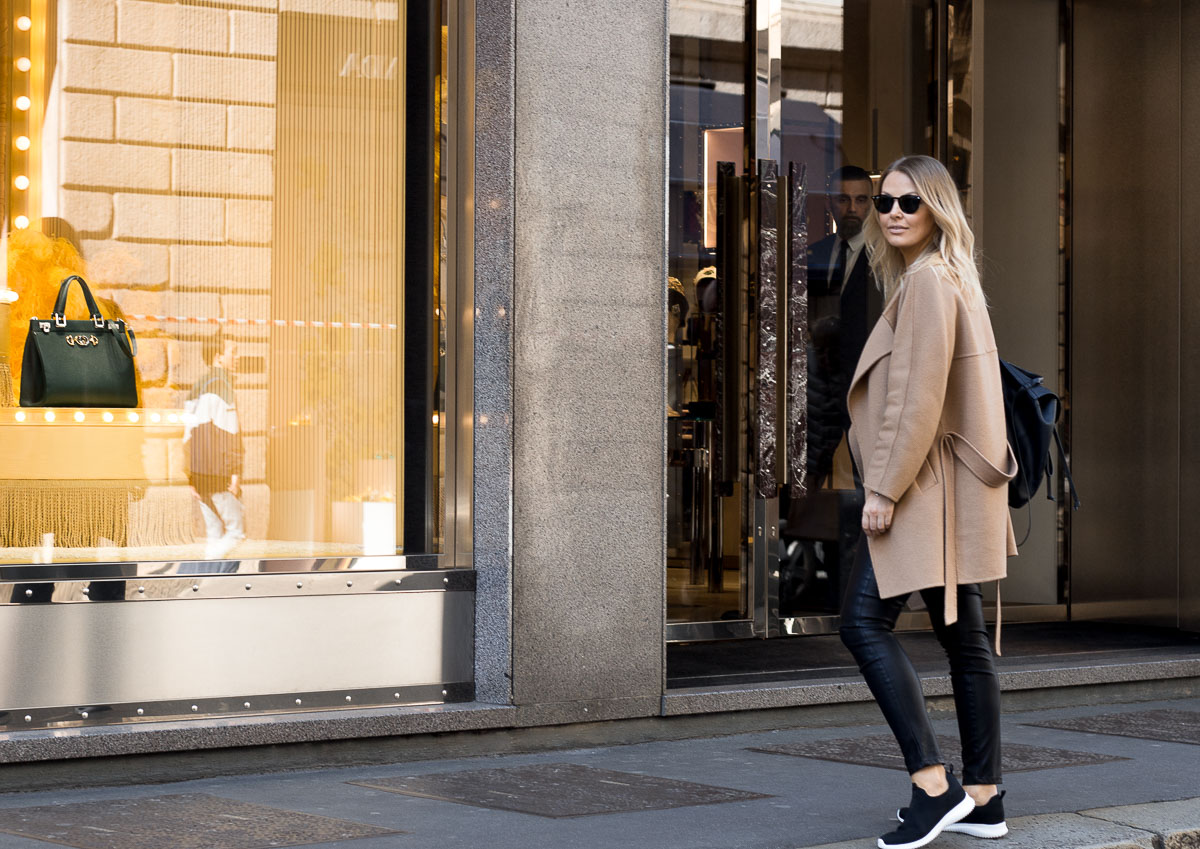
From La Scala, you’re perfectly positioned to explore Milan’s fashion district, known as the Quadrilatero della Moda. Instead of aiming for specific stores, treat this as a scenic walk. Start by heading along Via Manzoni, then turn into Via Montenapoleone, Via della Spiga, and Via Sant’Andrea. These streets form the famous “Golden Triangle.” You’ll see flagship stores of global luxury brands like Gucci, Versace, and Armani. The architecture is elegant, and window shopping here is an experience in itself. Observe the impeccably dressed locals and the high-fashion window displays. This loop can take anywhere from 45 minutes to an hour, depending on your pace and how often you stop to admire. It’s an excellent way to grasp why Milan holds its title as a fashion powerhouse.
Pinacoteca di Brera: Art and Atmosphere
After the glamour of the fashion district, make your way to the Brera district. This area is Milan’s bohemian heart, filled with cobbled streets, artisan shops, and charming cafes. The main attraction here is the Pinacoteca di Brera (Brera Art Gallery). This museum houses one of Italy’s foremost collections of Old Master paintings, including works by Raphael, Caravaggio, and Tintoretto. Tickets typically cost around €15. Allocate at least 90 minutes. The gallery is large but well-curated. After your visit, take time to wander the streets of Brera. Grab a gelato or sit at an outdoor café. The atmosphere here is distinct and offers a lovely contrast to the more bustling central areas. It feels authentically Milanese, with a slower pace and artistic flair.
Navigli Aperitivo Essentials
As evening approaches, the only place to be for a true Milanese experience is the Navigli district, particularly along Naviglio Grande. Head there by metro (Porta Genova FS station on M2 line) or a short taxi ride. The canals, historic buildings, and bustling bars create a unique atmosphere. The ritual of aperitivo (pre-dinner drinks with complimentary snacks) originated here. Find a bar with outdoor seating along the canal, order a Spritz (Aperol or Campari) or a glass of local wine, and enjoy the generous buffet of snacks. Expect to pay around €10-€15 for a drink, which includes access to the food. This isn’t just a drink; it’s dinner for many locals. Don’t be shy about sampling the various dishes, from pasta salads to mini pizzas. The lively evening scene is perfect for people-watching and soaking in a different side of Milan. The **Navigli** offers the best atmosphere for this experience, hands down.
Day Two Morning: Modern Milan & Masterpieces
Day two kicks off with a challenge: securing a glimpse of Leonardo da Vinci’s masterpiece, The Last Supper. This is easily the most difficult ticket in Milan to obtain, but absolutely worth the effort for art lovers. Following this, we shift gears to explore Milan’s more contemporary architectural side, showcasing the city’s forward-thinking urban development. My firm advice is this: **plan your Last Supper tickets months in advance.** There is no other way to guarantee entry. Without a pre-booked ticket, you will not see it.
Securing "The Last Supper" Tickets
To see Leonardo da Vinci’s The Last Supper at the Santa Maria delle Grazie convent, you must book tickets through the official website (cenacolovinciano.org) or an authorized reseller. Tickets are released in batches months ahead and sell out within minutes. Plan to book 3-4 months prior to your trip. Tickets cost around €15. Entry is strictly timed, allowing only 15 minutes inside with the masterpiece. Arrive 20-30 minutes early for security checks. If official tickets are sold out, your last resort is joining a guided tour (often pricier, around €50-€80), but even these sell out quickly. Do not arrive without a booking; you will be turned away. This is non-negotiable for a successful visit.
Porta Nuova & Bosco Verticale: A Modern Contrast
After immersing yourself in Renaissance art, take the metro to Porta Garibaldi or Gioia station to explore Milan’s modern architectural marvels in the Porta Nuova district. This area represents Milan’s contemporary face, with gleaming skyscrapers and innovative urban design. The most striking examples are the Bosco Verticale (Vertical Forest) towers. These residential buildings are covered in over 20,000 trees and plants, designed to combat urban pollution and increase biodiversity. Take some time to walk around the Piazza Gae Aulenti, a sleek public square with fountains and futuristic buildings. It’s a stark, fascinating contrast to the historic core of the city and demonstrates Milan’s commitment to cutting-edge design and sustainability. No tickets or reservations are needed here, just comfortable walking shoes and an appreciation for modern urban planning. It offers a fresh perspective on the city beyond its historical grandeur.
Day Two Afternoon: Shopping, Parks & Departure Prep
Your final hours in Milan are about balancing last-minute experiences with smart departure planning. This means opting for accessible shopping, finding a peaceful spot to reflect, and ensuring your transport out of the city is seamless. The key is efficiency and choosing activities that fit neatly into your remaining time without causing stress. Don’t try to squeeze in too much; instead, focus on enjoying the last moments.
Corso Vittorio Emanuele II: Accessible Shopping
If you’re looking for shopping beyond the luxury boutiques of the Golden Triangle, head to Corso Vittorio Emanuele II. This wide pedestrian street, connecting the Duomo to Piazza San Babila, is home to a mix of popular international and Italian high-street brands like Zara, H&M, and Rinascente (a department store with a fantastic rooftop food hall offering Duomo views). It’s a much more approachable shopping experience, ideal for picking up souvenirs or practical items. Prices are standard for European high street, offering good value for fashion finds. You can easily spend an hour or two here browsing without breaking the bank. The street is lively and vibrant, providing a final taste of Milanese energy.
Sempione Park: A Moment of Calm
For a peaceful interlude, walk towards the Castello Sforzesco and then through its grounds into Sempione Park. This large urban park offers a welcome green escape from the city bustle. You can stroll past the Arco della Pace (Arch of Peace), visit the pond, or simply find a bench and people-watch. It’s a beautiful spot for a leisurely walk and provides a sense of calm. The park is free to enter and offers lovely views of the Castello and its architecture. It’s the perfect place to decompress and reflect on your whirlwind Milan trip before heading to the airport or train station. Allow 30-60 minutes, depending on how much you want to explore.
Milan Metro Ticket Strategy
With your 48 hours winding down, ensure you have your return journey sorted. For most city travel and transfers to airports, the **Milan Metro** (ATM) is your best friend. A single urban ticket costs €2.20 and is valid for 90 minutes on all urban public transport. However, for a 48-hour stay, a 24-hour ticket (€7.60) or a 48-hour ticket (€13.00) offers better value if you plan on making more than three or four trips per day. Purchase these tickets from metro stations, newsstands, or directly via the ATM Milano app. Validate your ticket on entry to the metro or when boarding a bus/tram. This foresight will prevent any last-minute stress about getting to your departure point on time.
Milan’s Public Transport: Your Best Friend
Navigating **Milan** within 48 hours hinges entirely on mastering its efficient public transport system. The ATM (Azienda Trasporti Milanesi) network of metro, tram, and bus lines is extensive and generally punctual. For tourists, understanding the metro is , as it connects all major attractions. Trams and buses fill in the gaps, especially in historic areas where the metro doesn’t reach directly. Don’t overlook walking, as many central sights are clustered together, but for anything beyond 15-20 minutes, public transport is the smart choice.
| Ticket Type | Price (approx. 2026) | Validity | Best Use Case |
|---|---|---|---|
| Single Urban Ticket | €2.20 | 90 minutes (all urban lines) | One-off short trips, occasional use. |
| Carnet 10 Tickets | €19.50 | 10 x 90 minutes (can be shared) | Couples or small groups making multiple trips. |
| 24-Hour Ticket | €7.60 | 24 hours from first validation | Intensive sightseeing for one full day. |
| 48-Hour Ticket | €13.00 | 48 hours from first validation | Ideal for a weekend trip; best value for this itinerary. |
| Malpensa Express Train | €13.00 | One-way to/from Malpensa Airport | Direct, fast airport transfer. |
| Linate Metro (M4) | €2.20 | Standard urban ticket price | Quickest transfer from Linate Airport. |
Metro Lines and Key Stops
The Milan Metro system is clean, safe, and easy to use. There are currently five lines, color-coded for simplicity:
- M1 (Red): Connects Duomo, San Babila (fashion district), and Cadorna (for Malpensa Express).
- M2 (Green): Runs through Centrale Station, Cadorna, and Porta Genova (for Navigli).
- M3 (Yellow): Serves Centrale Station, Duomo, and Montenapoleone (fashion district).
- M4 (Blue): Connects Linate Airport to San Babila, expanding further into the city.
- M5 (Lilac): Circles the city, connecting San Siro Stadium and Porta Garibaldi.
Focus on M1, M2, M3, and M4 for most tourist destinations. Station names are clearly marked, and trains run frequently, typically every 2-5 minutes during peak hours. Each station has maps, and English announcements are common. The sheer convenience of the metro means you can quickly hop between districts without wasting time stuck in traffic.
Ticket Options & Pricing for Tourists
For a 48-hour visit, the 48-hour ticket for €13.00 is undoubtedly the best choice. It offers unlimited travel on all urban ATM public transport (metro, bus, tram) for two full days from the moment of first validation. This eliminates the need to buy individual tickets for each journey and provides peace of mind. You can purchase tickets at:
- Metro stations: From automated machines (multi-language options) or ticket offices.
- Newsstands (edicole) and Tabaccherie: Look for the ‘T’ sign.
- ATM Milano App: Purchase and validate digital tickets directly on your smartphone. This is the most modern and convenient option.
Always remember to validate your ticket. For metro, insert it into the turnstile reader. For buses and trams, use the validation machines onboard. Fines for non-validated tickets are steep, often around €100. It’s a simple step that saves a lot of potential hassle.
Milan’s public transport system is robust and designed to move people efficiently, making it an indispensable tool for anyone trying to experience the city in a short timeframe. Master it, and you master your Milanese adventure.