
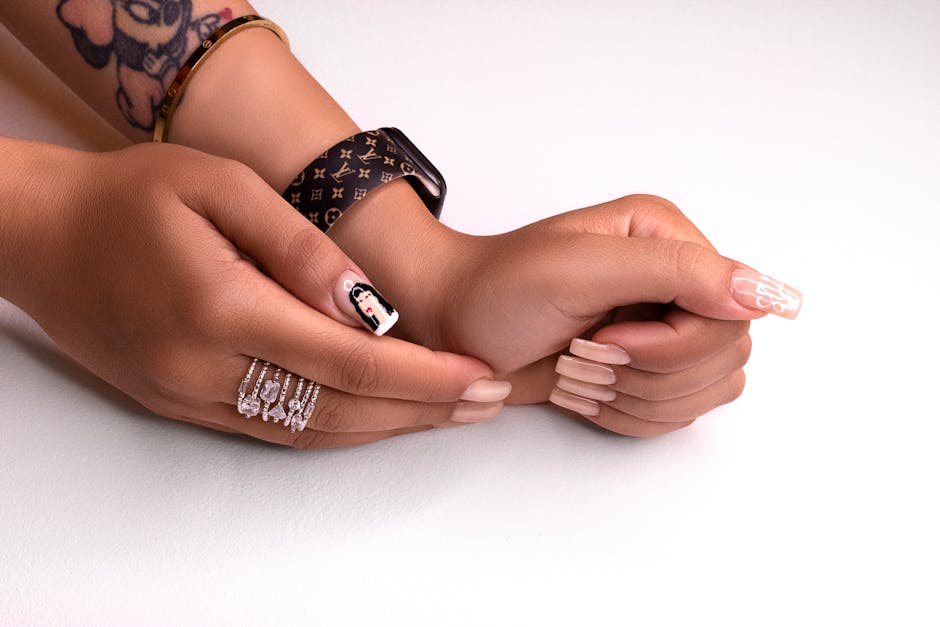
The rhythmic tap of a freshly manicured nail against a glass surface is more than just a sound; it is the definitive acoustic signature of modern self-expression. Archaeological evidence suggests that nail decoration is far from a modern obsession; in fact, the oldest known manicure set was discovered in southern Babylonia, dating back to 3200 B.C., and was crafted from solid gold. While the materials have shifted from precious metals and kohl to polymers and light-cured resins, the underlying impulse remains identical: the use of the hands as a canvas for social signaling and personal identity. Today, the global nail care market has ballooned into an $11 billion industry, driven by a rapid democratization of professional-grade tools and a digital culture that treats manicures as a primary fashion accessory rather than a secondary grooming task.
The Architectural Evolution of Manicure Aesthetics
To understand why we are currently obsessed with high-shine chrome and velvet textures, we must look back at the cyclical nature of manicure aesthetics. During the Ming Dynasty, nail color was a marker of rank, achieved through a laborious mixture of beeswax, egg whites, gelatin, and vegetable dyes. The 1920s saw the birth of the “Moon Manicure,” where the lunula (the white half-moon at the base) was left bare—a look that has seen a massive resurgence in the contemporary “negative space” movement. This historical context provides a foundation for the 2024 landscape, which is characterized by a tension between hyper-technological finishes and a return to organic, raw textures.
The current year marks a departure from the heavy, opaque acrylics that dominated the early 2010s. Instead, we see a fusion of ancient techniques—like the use of botanical stains—with modern chemical engineering. The “Clean Girl” aesthetic, which peaked in 2023, has evolved. It is no longer just about a sheer pink coat; it is about the structural health of the nail and the precision of the application. This evolution reflects a broader shift in fashion toward “quiet luxury,” where the complexity of the design is hidden in the subtlety of the execution rather than the loudness of the color. We are seeing a rise in “naked” manicures that utilize high-tech strengtheners to create a glass-like finish on the natural nail plate without the need for heavy extensions.
Minimalist Strategies for Short Nail Geometry
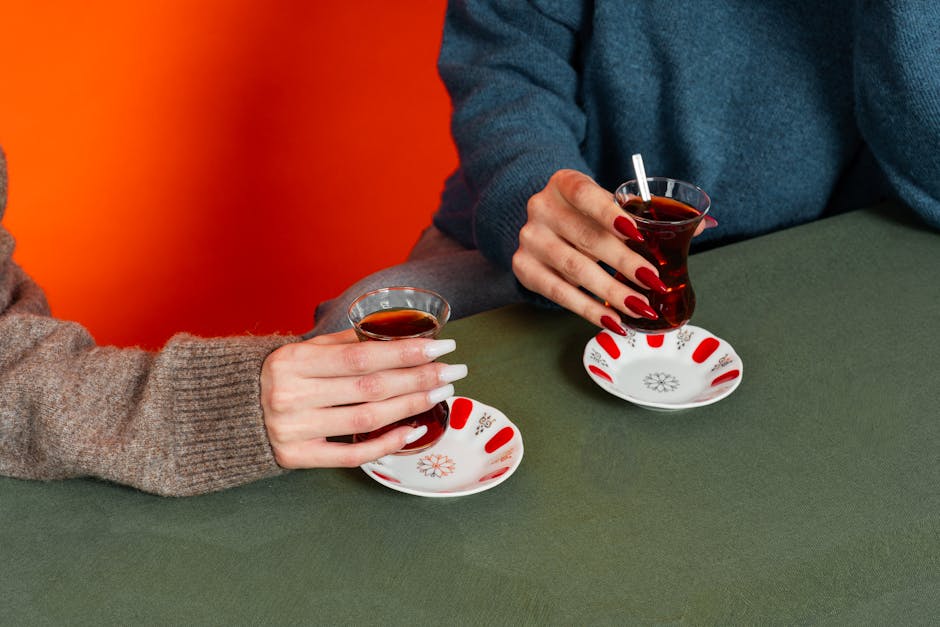
Short nails are no longer a limitation but a specific stylistic choice that favors functionality and modernism. The micro-French manicure remains the gold standard for this length. Unlike the thick, stark white tips of the 1990s, the micro-French utilizes a line so thin it almost appears as a shadow or a natural extension of the free edge. This look is frequently executed using non-traditional colors like forest green, navy, or even a subtle metallic silver. For those seeking a professional edge, using a striper brush (Approx. $8-$15) with synthetic bristles is essential for achieving the necessary tension and straightness of the line.
The Nuances of the American Manicure
While the French manicure uses a sharp white tip, the American manicure—currently trending on social media—uses an off-white or cream shade to create a softer, more natural transition. This is ideal for professional environments where artistic expression needs to be tempered with traditional grooming standards. The key to this look is the base color; professionals often layer a semi-translucent peach, such as OPI Bubble Bath (Approx. $11.50), over a milky white like OPI Funny Bunny (Approx. $11.50) to mimic the natural keratin of the nail plate. Pro: It creates an elongated look for the fingers. Con: It requires multiple thin layers to avoid a streaky finish, which can be time-consuming for DIYers.
Negative Space and Geometric Precision
For those who find solid colors monotonous, minimalist geometric accents offer a solution. A single vertical line or a solitary dot (often placed near the cuticle) can elongate the appearance of the nail bed. This technique relies heavily on the quality of the liner brush. A 12mm or 15mm ultra-fine synthetic brush is necessary to achieve the tension required for these designs. Using a high-viscosity gel paint rather than a standard polish ensures that the lines do not bleed into the base coat before curing. This “less is more” approach works best when the base nail is flawlessly prepped, as negative space draws immediate attention to any imperfections in the nail plate or cuticle area.
Deciphering the Chrome Phenomenon and 3D Textures
The boundary between jewelry and nail art has blurred significantly this year. 3D nail art, once reserved for avant-garde editorial shoots, has moved into the mainstream through the use of builder gels and specialized resins. These materials allow technicians to sculpt shapes directly onto the nail, creating textures that range from “raindrop” effects to intricate baroque filigree. The most prominent trend in this category is the “molten metal” look, achieved by sculpting ridges with a thick gel and then burnishing them with chrome powder. The temperature of the top coat during the curing process is vital here; if the gel is over-cured, the chrome powder will not adhere, resulting in a glittery mess rather than a mirror finish.
Another significant development is the use of magnetic “cat-eye” polishes to create a velvet effect. By manipulating iron filings within the wet polish using a high-strength neodymium magnet, artists can create a sense of depth that appears to shift as the hand moves. This isn’t just a color; it’s an optical illusion that mimics the pile of luxury fabric. When paired with a 3D topcoat, the result is a multi-dimensional finish that requires zero additional charms or stones. For the best results, look for “9D” magnetic polishes (Approx. $15-$25 per bottle), which contain multiple colors of magnetic shimmer for a more complex prismatic effect.
The shift toward 3D textures represents a move away from the two-dimensional constraints of traditional polish. We are seeing nails treated as miniature sculptures, where the play of light and shadow is as important as the pigment itself.
Structural Integrity: Matching Shape to Hand Anatomy
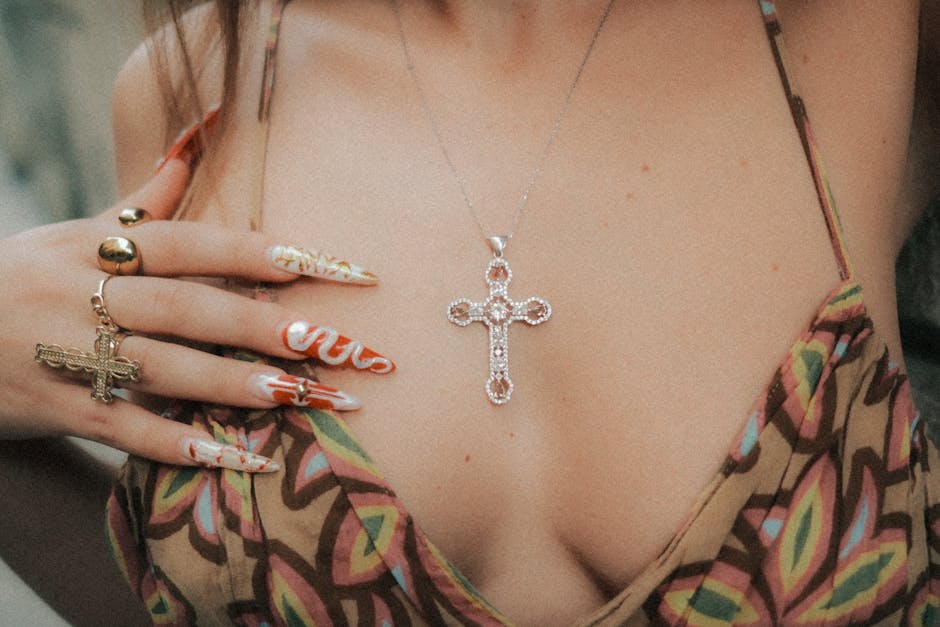
Selecting a nail design is an exercise in color theory and geometry. The shape of the nail can drastically alter the silhouette of the hand. For instance, almond and oval shapes are scientifically proven to elongate the fingers, making them the preferred choice for those with shorter nail beds or wider palms. Conversely, square or “squoval” shapes provide a modern, architectural look that suits long, slender fingers but can make shorter hands appear truncated. The “Stiletto” shape, while visually striking, offers the least structural stability and is prone to snapping if not reinforced with high-quality hard gel or acrylic.
Color Theory and Undertones
Skin undertones—cool, warm, or neutral—dictate which palettes will look harmonious and which will look sallow. If your veins appear blue or purple, you likely have cool undertones. Silver chromes, berry reds, and stark whites will complement your skin. If your veins appear green, you have warm undertones; gold accents, olive greens, and terracotta oranges are your best allies. Neutral undertones have the luxury of experimenting with the full spectrum, though “nude” shades should still be matched to the depth of the skin tone to avoid the “mannequin hand” effect.
- Fair Skin: Look for soft pastels, cool-toned greys, and true reds with blue bases. Avoid overly yellow-toned nudes.
- Medium/Olive Skin: Deep teals, vibrant corals, and metallic golds highlight the natural warmth. This skin tone excels with “burnt” shades like ochre and sienna.
- Deep Skin: High-contrast neons, rich jewel tones (emerald, sapphire), and holographic finishes provide stunning visual impact. Avoid “ashy” pastels that lack sufficient pigment.
Nail Shapes and Their Structural Integrity
| Shape | Best For | Durability | Maintenance Level |
|---|---|---|---|
| Almond | Elongating short fingers | High (rounded edges resist chipping) | Moderate |
| Square | Long fingers/Wide nail beds | Medium (corners can snag) | Low |
| Coffin/Ballerina | Trendy, bold looks | Low (requires reinforcement) | High |
| Oval | Natural, feminine aesthetic | Very High | Very Low |
The Technical Science of DIY Nail Art Kits
The gap between salon quality and home application has narrowed, but the market is flooded with subpar options. For a successful home setup, one must prioritize the quality of the LED lamp and the chemical stability of the gels. Cheap lamps often have inconsistent light distribution, leading to under-cured gel which can cause contact dermatitis over time. Investing in a lamp with at least 48 watts and a mirrored interior is a non-negotiable for safety and longevity. Furthermore, the rise of “HEMA-free” formulas is a critical consideration for those with sensitive skin, as HEMA is the primary allergen found in traditional gel polishes.
| Product Name | Approx. Price | Pros | Cons |
|---|---|---|---|
| Olive & June Mani System | $55 – $80 | Ergonomic “Poppy” tool makes painting with the non-dominant hand significantly easier. | Air-dry polish only; does not include gel or UV curing capabilities. |
| Beetles Gel Polish Starter Kit | $40 – $60 | Extremely affordable; includes a wide variety of colors and a decent starter lamp. | The bottles are quite small (7ml); some users report the formula is prone to chipping. |
| Gelcare Starter Kit | $150 – $190 | Professional-grade pigments; the most sophisticated color palette on the market. | High entry price; requires a more meticulous application process. |
| Apres Gel-X Essential Kit | $160 – $200 | The industry standard for soft-gel extensions; provides a perfect canvas every time. | Steep learning curve for sizing and application; requires a separate e-file for removal. |
Comparing Gel, Acrylic, and Polygel for Complex Designs
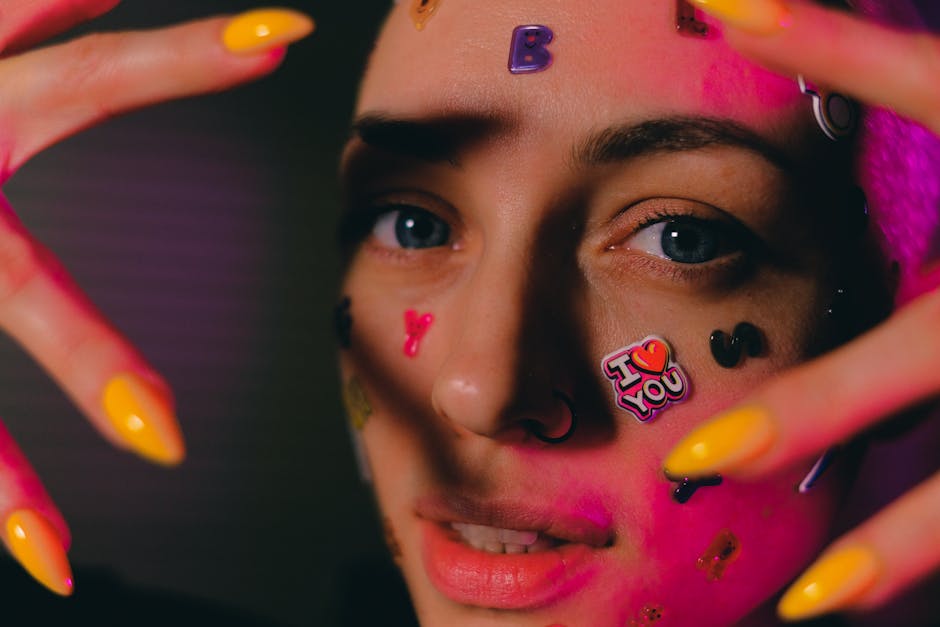
The substrate you choose for your nail art determines the complexity of the design you can achieve. Traditional liquid and powder acrylics are the workhorses of the industry. They offer unmatched strength and are the best choice for extreme lengths or 3D flowers. However, acrylic sets quickly, meaning the artist has a limited window to manipulate the product. This requires a level of speed and precision that many beginners find daunting. Furthermore, the strong odor of the monomer (liquid) can be overwhelming in poorly ventilated home spaces.
Soft gel (often called “Shellac”) is ideal for hand-painted art because it does not dry until it is exposed to UV light. This allows the artist to wipe away mistakes and refine lines indefinitely. The trade-off is that soft gel provides very little structural reinforcement. If you have weak, peeling nails, the art will likely lift within a week. This is where “hard gel” or “builder gel in a bottle” (BIAB) comes in. It provides the strength of acrylic with the workability of gel, making it the current favorite for “Russian Manicure” styles and detailed line work. BIAB is particularly effective for creating a “c-curve,” which is the structural arch that prevents the nail from breaking under pressure.
Polygel is a hybrid that has gained traction for DIY enthusiasts. It has a putty-like consistency that stays exactly where you put it. It is lighter than acrylic but stronger than hard gel. For intricate 3D designs that require a lot of molding—such as the “sweater nail” texture or raised geometric patterns—polygel is arguably the most forgiving medium. It doesn’t run into the cuticles, and it doesn’t harden until you’re ready to cure it. When using polygel, a “slip solution” (usually 70% isopropyl alcohol) is required to glide the brush over the product without sticking.
Preserving Nail Health Beneath the Art
The most sophisticated nail art in the world is undermined if the underlying nail plate is compromised. Long-term wear of gel or acrylic can lead to thinning of the nail, but this is rarely due to the product itself; it is almost always due to improper removal. Mechanical trauma—scraping or peeling off a manicure—removes layers of the dorsal nail plate, leading to sensitivity and breakage. A professional removal involves soaking in 100% pure acetone for 15-20 minutes, followed by a gentle buffing with a high-grit foam buffer. Never use a metal pusher to scrape aggressively; the gel should slide off like butter once properly dissolved.
The Role of Cuticle Hydration
Nails are composed of translucent keratin, and their flexibility is maintained by lipids and water. Constant exposure to acetone and soaps strips these oils. Using a high-quality cuticle oil, such as CND SolarOil (Approx. $12.50 for 0.5 oz), is essential. It contains jojoba oil and vitamin E, which have small enough molecular structures to penetrate the nail plate even through gel or acrylic. Pro: Extremely effective at preventing hangnails and maintaining the seal of the enhancement. Con: The almond scent can be polarizing for some users, and it must be applied at least twice daily to see structural results.
Furthermore, the “break” myth—the idea that nails need to “breathe”—is biologically inaccurate. Nails do not have lungs; they receive their oxygen and nutrients from the blood supply in the nail bed. However, taking a break from enhancements is beneficial for monitoring the health of the nail and ensuring no fungal infections have developed under the product. During these intervals, applying a keratin-bonding treatment like IBX can help repair the internal structure of the nail before the next set of art is applied. Maintaining this balance of aesthetics and health is the hallmark of a truly expert approach to modern nail care, ensuring your “canvas” remains strong enough for your next artistic endeavor.
Tags: beauty tips, fashion accessories, manicure trends, nail art, skincare