
Indoor heating drops relative humidity to as low as 10%—drier than the Sahara Desert, which averages around 25%. That single fact explains more about winter skin than any ingredient list. Outside, cold air pulls moisture from the skin’s surface. Inside, heated air strips what’s left. By January, most people have been running a moisture deficit for months without identifying the actual cause.
This guide fixes that. Specific products, exact steps, and the mistakes that quietly sabotage every winter routine.
Why Winter Wrecks Your Natural Glow
Your skin’s outer barrier—a mesh of dead cells bound together by protective fats called ceramides—works like a sealed membrane. It keeps water in and irritants out. In summer, ambient humidity keeps that barrier intact. In winter, three separate forces attack it at the same time, and most people only address one of them.
What Cold Air Actually Does to Skin
Cold air holds far less moisture than warm air. At 32°F, air carries roughly 60% less water vapor than at 77°F. When that dry air contacts your face, water migrates outward from the skin surface into the surrounding atmosphere. You cannot feel this happening in real time. But by the time skin starts feeling tight or starts flaking, the upper layers have already lost significant hydration.
This creates a direct optical problem. Glow is a physics concept: smooth, plump, well-hydrated skin reflects light uniformly. Rough, dehydrated skin scatters it in every direction. Dullness isn’t a skin condition—it’s what light does when it hits a degraded surface. No amount of foundation compensates for skin that isn’t hydrated at the structural level.
Why Heated Indoor Air Is Actually the Bigger Problem
Central heating doesn’t just warm air—it removes moisture from it. A typical heated room in winter sits at 20-30% relative humidity. Desert regions of Arizona average around 38%. Your bedroom at night is technically drier than a desert environment.
This matters because you spend 7-9 hours in that air while you sleep. Eight hours of exposure to 20% humidity undoes most of what a good nighttime moisturizer accomplished. That’s why skin can feel drier on waking in January than when you went to bed—even with a consistent routine.
Running a basic humidifier in your bedroom and targeting 40-50% relative humidity makes a measurable difference. Models that cover a standard bedroom start at $25-40. This isn’t glamorous advice, but it’s the single most cost-effective intervention in any winter skincare setup.
Why Your Summer Products Stop Working
Summer moisturizers are usually lightweight gels or fluids formulated to work in humid conditions. Most rely on humectants—ingredients like hyaluronic acid—that pull moisture from the surrounding air into the skin. In winter air at 15-20% humidity, there’s almost nothing to pull from. These formulas end up drawing moisture from the deeper skin layers upward, then losing it to the dry air. You end up drier than if you’d used nothing.
Switching to a richer formula in winter isn’t about using heavier products—it’s about closing a physical leak. Occlusive ingredients like petrolatum, squalane, shea butter, and ceramides form a seal over the skin surface that slows water escape. They don’t add moisture; they keep the moisture already there from leaving. That distinction changes what you should be shopping for.
5 Mistakes That Keep Winter Skin Looking Dull
Most people respond to winter dullness by doing more of the same things that aren’t working. These five habits actively block glow:
- Skipping SPF on overcast days. UV-A rays—the wavelengths responsible for dark spots, uneven tone, and collagen breakdown—penetrate clouds and glass at nearly full strength year-round. Skipping sunscreen from October through January is four months of uninterrupted damage that compounds directly into dullness. The EltaMD UV Clear SPF 46 ($39) is lightweight enough not to feel heavy in winter air and won’t pill under makeup. This step is not optional in any season.
- Over-exfoliating on a compromised barrier. The logic seems sound—dull skin has dead cell buildup, and exfoliation removes it. The problem is that harsh scrubs or daily chemical exfoliants on an already-damaged winter barrier trigger inflammation, which makes skin look worse, not better. Twice a week is the ceiling in winter. The Paula’s Choice Skin Perfecting 2% BHA Liquid Exfoliant ($34) works better than any scrub because it dissolves dead cells chemically without creating micro-abrasions that worsen barrier damage.
- Washing your face with hot water. Hot water strips the skin’s natural lipid film—the very thing protecting it from dry indoor air. It takes hours for that film to rebuild. Lukewarm water only, every time. This costs nothing and makes every product that follows more effective.
- Layering immediately after vitamin C. L-ascorbic acid (the active form of vitamin C) needs 60-90 seconds to absorb before anything is applied over it. Putting moisturizer on right after dilutes the formula and reduces its effectiveness measurably. Set a timer the first few times until the habit sticks.
- Stopping your routine at your jaw. The neck and chest have fewer oil glands than the face and lose hydration faster. If you exfoliate the face and stop at the chin, the contrast in color and texture becomes obvious by February. Every step—cleanser, serum, moisturizer, SPF—goes from forehead to collarbone.
The Exact Winter Glow Routine: Morning and Night
The most important shift from summer to winter isn’t which products you use—it’s timing, layering order, and texture. This routine covers the full picture:
| Step | Morning | Night | Key Reason |
|---|---|---|---|
| Cleanse | Rinse with lukewarm water only; skip cleanser if skin is dry and you didn’t wear makeup to bed | Double cleanse: DHC Deep Cleansing Oil ($28) first, then La Roche-Posay Toleriane Hydrating Gentle Cleanser ($15) | Over-cleansing in the morning destroys the barrier rebuilt overnight; double cleansing at night removes sunscreen properly |
| Tone | Hydrating toner or essence applied to slightly damp skin | Exfoliating toner twice a week max: The Ordinary Glycolic Acid 7% Toning Solution ($13) | Damp skin absorbs the next serum better; exfoliating at night gives skin recovery time while you sleep |
| Serum | Timeless 20% Vitamin C + E Ferulic Serum ($25) — wait 90 seconds before the next step | The Inkey List Hyaluronic Acid Serum ($9) applied to damp skin, not dry | Vitamin C in the morning brightens and defends against UV damage; HA at night draws in moisture during sleep |
| Moisturize | Ceramide-rich cream: CeraVe Moisturizing Cream ($18 for 16oz) | Rich facial oil after cream: Sunday Riley Luna Sleeping Night Oil ($55), 2-3 drops pressed in | Night is repair time — the fatty acids in facial oils directly replenish what the barrier lost during the day |
| Final Step | EltaMD UV Clear SPF 46 ($39) — always the last step | Optional: The Ordinary 100% Plant-Derived Squalane ($9) pressed into lips and eye area only | SPF protects all the brightening work the rest of the routine does; squalane prevents overnight water loss at the driest spots |
Morning time: under 8 minutes. Night time: 10-12 minutes on exfoliation nights, 7 on others. The Timeless Vitamin C and The Inkey List Hyaluronic Acid together cost $34 total and outperform most $150 serums on the glow metric specifically.
Vitamin C: The One Winter Ingredient That Actually Delivers Glow
L-ascorbic acid has the strongest research behind it of any topical glow ingredient—for fading existing dark spots and stimulating collagen at the same time. For winter skin specifically, nothing competes. The question is which formula to buy, because stability and concentration vary widely across the market.
Clear breakdown by budget:
- Under $30: The Timeless 20% Vitamin C + E Ferulic Serum ($25) uses the same active combination as the SkinCeuticals reference formula—same concentration, same supporting ingredients. It’s less stable and oxidizes faster (expect it to turn orange within 2-3 months of opening). Buy the 1oz size and finish it in 60 days. If 20% feels too strong on dry or sensitive skin, the TruSkin Vitamin C Serum ($22) at 15% concentration is gentler and better for redness-prone skin types.
- $40-$60: The Ole Henriksen Banana Bright+ Vitamin C Serum ($48) adds a banana-powder brightening base that produces an immediate visual effect on top of the long-term vitamin C benefits. Good pick if you want to see a difference in week one, not just after a month of use.
- $150+: SkinCeuticals C E Ferulic ($182) is the benchmark every other formula gets measured against. The price reflects a patented combination of pH, ferulic acid percentage, and L-ascorbic acid concentration that keeps the formula stable far longer than cheaper versions. For significant hyperpigmentation with the budget to match, this is the most consistent long-term performer. For everyone else, the Timeless serum is the practical pick.
Regardless of which you buy: apply it first after cleansing, on dry skin, before any other serum or moisturizer. Store it in the fridge to extend its effective life by several weeks.
Timing Your Moisturizer Changes Everything
Apply your moisturizer within 60 seconds of washing your face—while skin is still slightly damp, not after it dries completely. Moisturizer applied to damp skin retains significantly more water than the same product applied minutes later to dry skin. This single habit change makes every moisturizer you already own more effective, costs nothing, and takes zero additional time.
When Skincare Isn’t Enough: Products That Fake a Summer Glow
Some January mornings, no routine delivers summer-looking skin by 8am. The answer isn’t more skincare layers—it’s the right finishing products.
Liquid Glow Bases Beat Highlighters on Dry Winter Skin
Powder and cream highlighters work beautifully in summer. On dry winter skin, they settle into texture and emphasize flaking. A liquid glow base worn under foundation—or alone over SPF—reads as natural warmth rather than applied shimmer.
The Charlotte Tilbury Flawless Filter ($49) is the most consistently recommended product in this category. It blurs, adds warmth, and creates a lit-from-within effect that reads as healthy skin rather than obvious makeup. Mix one pump into foundation or wear it alone on low-effort days. The shade range now properly covers deeper skin tones, which wasn’t true a few years ago.
The e.l.f. Halo Glow Liquid Filter ($14) is a direct dupe. Not identical in longevity, but the finish is close enough that most people genuinely can’t tell the difference in photos. Start here if you’re not sure the format works for your skin.
How to Apply Bronzer for Winter Skin Specifically
Summer bronzer placement—contouring the cheeks and jaw—reads as muddy on paler winter skin rather than sun-kissed. In winter, apply bronzer only where sunlight would naturally land: the center of the forehead, the bridge of the nose, and the tops of the cheekbones. Skip the jawline entirely. This reads as warmth, not contouring.
The Hourglass Ambient Lighting Bronzer ($52) diffuses light rather than sitting opaquely on skin, which means it doesn’t exaggerate dry patches the way matte formulas do. For a budget option, the e.l.f. Halo Glow Bronzer Stick ($12) blends easily even over dry skin and builds gradually without going heavy.
The Self-Tanner Shortcut Most People Overlook
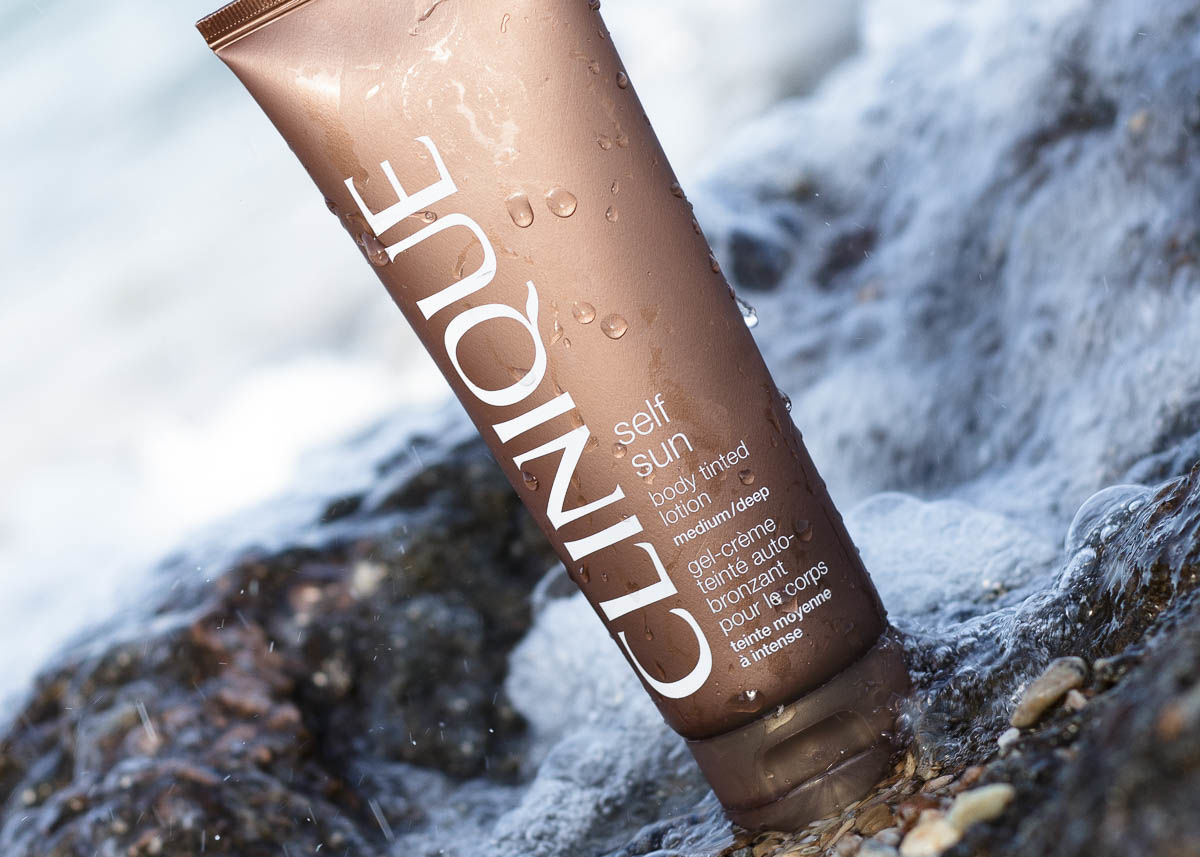
Two drops of Isle of Paradise Self-Tanning Drops ($29) mixed into your daily moisturizer, applied every other day for two weeks, builds a subtle natural-looking warmth that makes every other glow product look twice as effective. This isn’t about looking tan—it’s about restoring the warm undertone that dry, pale winter skin loses. Use the medium shade for most skin tones; light shade for very fair complexions. The result takes 10 days to build and looks nothing like a spray tan.
That opening figure about indoor air being drier than the Sahara isn’t a metaphor—it’s a humidity measurement that tells you exactly what winter skin is up against every night. Barrier repair while you sleep, vitamin C and SPF every morning, and the right finishing products for rushed days: that combination directly counters each part of the problem. The skin that looked grey in November doesn’t have to stay that way until April.