
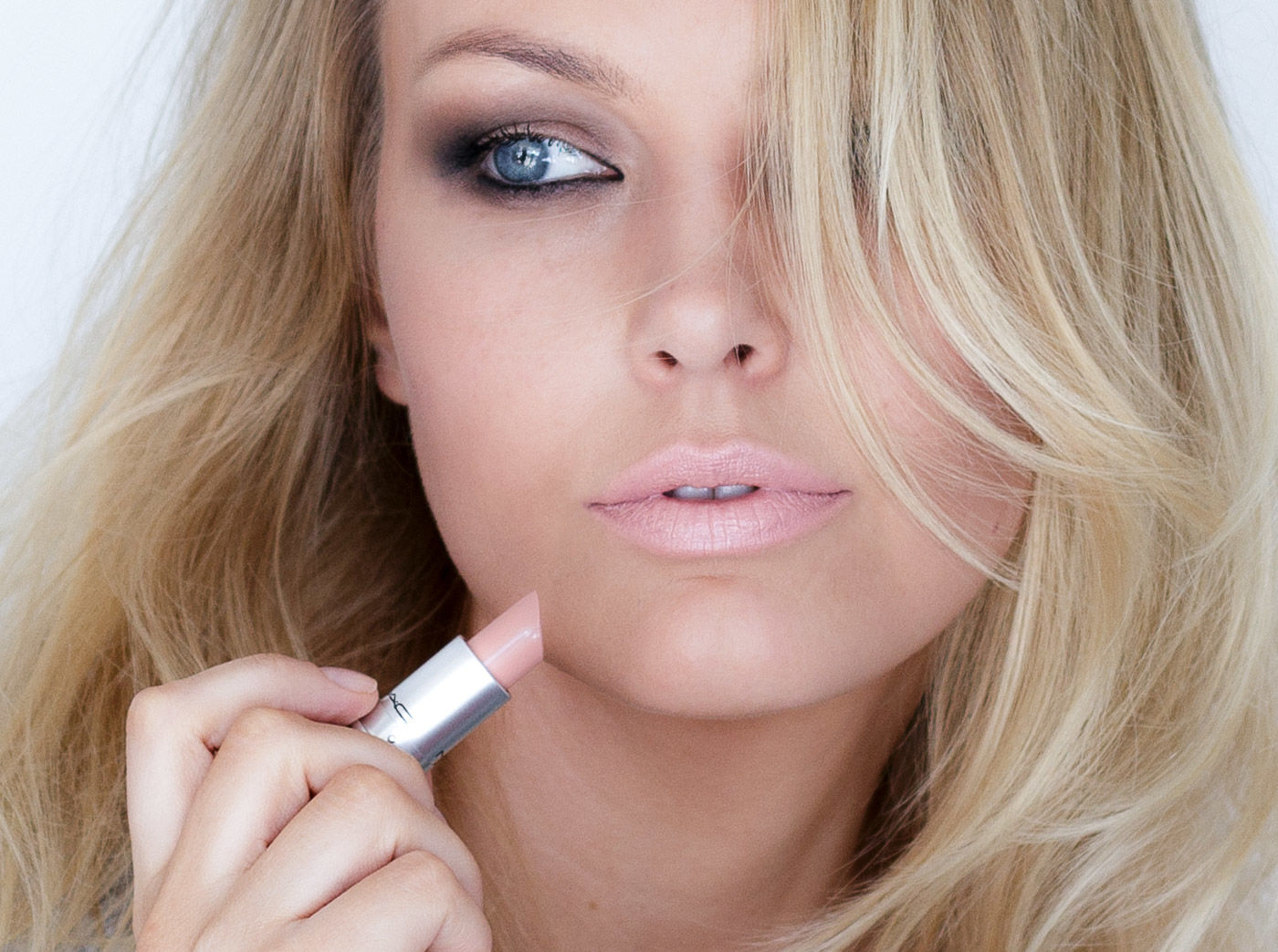
The idea of “nude” as a universal beige or light brown is a deeply ingrained misconception. For too long, the beauty industry pushed a single, narrow definition, leaving countless individuals feeling excluded. True “nude” is not a color; it’s a concept. It’s the shade that disappears into your skin, enhancing rather than covering. It’s a spectrum as diverse as humanity itself. Understanding your unique undertones and depth is the real secret to unlocking your perfect “nude” in foundations, lipsticks, and even nail polish. This isn’t about fitting into a preconceived box; it’s about finding the shades that genuinely celebrate your natural complexion.
Decoding Your Undertones: Warm, Cool, or Neutral?
Finding your perfect nude begins with understanding your skin’s undertone. Skin tone, the surface color (fair, medium, deep), is a separate thing. Undertone is the subtle hue beneath your skin’s surface, and it’s what influences how colors truly appear on you. It’s a permanent characteristic, unaffected by tanning or redness. Knowing whether you lean warm, cool, or neutral is the foundational step to making any color, especially nude, work for you.
Warm undertones typically have a golden, peachy, or yellow hue. Your skin might tan easily and rarely burn. People with warm undertones often look best in gold jewelry. On the other hand, cool undertones show hints of pink, red, or blue. Your skin might burn easily in the sun and look better in silver jewelry. Many foundations for cool undertones have a rosy base. Finally, neutral undertones are a balanced mix of both warm and cool. This can sometimes make them harder to identify, but it also means a wider range of colors might flatter you. Many individuals with olive skin tones, often mistakenly classified as purely warm, can actually have neutral or even cool olive undertones due to a mix of yellow and green hues.
The Vein Test and Jewelry Clues
One common method for identifying undertones is the vein test. Look at the veins on the inside of your wrist under natural light. If they appear distinctly blue or purple, you likely have cool undertones. If they look green or olive, your undertones are probably warm. If you find it hard to tell, or if they appear to be a mix of blue and green, you might have neutral undertones. This test isn’t foolproof, as skin thickness and depth can influence the appearance of veins.
Another simple indicator is jewelry. Consider whether gold jewelry or silver jewelry looks more harmonious against your bare skin. Does one make your skin look brighter and more alive, while the other seems to wash you out or make your skin appear sallow? Gold jewelry typically complements warm undertones, enhancing their natural glow, while silver jewelry often brightens and flatters cool undertones. If both gold and silver look equally good, you’re likely neutral.
Fabric Draping and Sun Reaction
The way different colors of fabric reflect onto your face can also reveal your undertone. Hold a pure white sheet or piece of clothing next to your bare face, then an off-white or cream fabric. Which one makes your skin look healthier and more vibrant? People with cool undertones often look better in true white, while warm undertones might be flattered by off-white or cream. Similarly, try holding up fabrics in true black versus deep brown. This can further help narrow down your true undertone.
Your skin’s reaction to the sun is another clue. If you tend to burn easily and rarely tan, you likely have cool undertones. If you tan easily and rarely burn, warm undertones are probable. Those with neutral undertones might tan, but perhaps with a slight redness before settling into a golden hue.
Beyond the Basics: Subtlety in Neutral Undertones
Identifying as neutral doesn’t mean you lack undertones entirely. Instead, it signifies a balanced blend of warm and cool pigments within your skin. This balance allows neutral-toned individuals to often wear a broader spectrum of colors without looking washed out or overly warm/cool. However, even within the neutral category, there can be subtle leans—a neutral-warm or a neutral-cool. Many foundation brands now cater to this nuance, offering shades labeled as “N” for neutral, or sometimes “NW” (neutral-warm) and “NC” (neutral-cool) to guide your selection. Recognizing these subtleties is key to finding a true nude that enhances your natural tone rather than just covering it.
The Myth of the “Universal Nude” Lipstick
The concept of a single “universal nude” lipstick is marketing fiction. What looks perfectly natural on one person can look like concealer or a jarring contrast on another. Finding your perfect nude requires personal exploration, not adherence to a trend.
Navigating Nude Foundation Formulas: A Practical Guide
Finding a nude foundation isn’t solely about color; it’s also about matching the formula to your skin type and desired finish. A perfect color match in an incompatible formula will still look off, failing to achieve that seamless “your skin but better” nude effect.
-
Understanding Coverage and Its Impact on Nude Perception
The level of coverage a foundation offers significantly affects how a “nude” match is perceived. Sheer foundations, such as Glossier Perfecting Skin Tint ($26), allow a good deal of your natural skin to show through. This makes the nude match more forgiving, as the tint blends with your own skin tone rather than completely concealing it. For a truly natural look, a sheer formula can be ideal.
Conversely, full-coverage foundations, like Estée Lauder Double Wear Stay-in-Place Makeup ($49), demand a precise match. Because they cover a significant amount of your skin, any discrepancy in color or undertone will be immediately noticeable, creating a mask-like effect. Medium-coverage options, such as NARS Radiant Longwear Foundation ($49), offer a versatile middle ground, allowing some natural skin to peek through while still providing good coverage.
-
Skin Type Dictates Finish: Oil-Free vs. Hydrating
Your skin type should heavily influence your choice of foundation formula. For oily or combination skin, oil-free, matte, or semi-matte finishes are typically best. These formulas, like Fenty Beauty Pro Filt’r Soft Matte Longwear Foundation ($40), help to control shine and ensure your nude shade stays put without breaking down throughout the day. A hydrating nude foundation on oily skin would likely appear too dewy and contribute to unwanted shine.
Dry or normal skin, on the other hand, thrives with hydrating, dewy, or satin finishes. Products such as ILIA Super Serum Skin Tint SPF 40 ($48) provide moisture and a healthy glow. A matte nude foundation on dry skin can emphasize dry patches, settle into fine lines, and ultimately look cakey, defeating the purpose of a natural, nude finish.
-
The Crucial Swatch Test: Neck, Jawline, and Natural Light
When selecting a nude foundation, never swatch on your hand. The skin tone on your hand rarely matches your face and neck. Instead, apply a few potential “nude” shades in thin lines directly onto your jawline and slightly onto your neck. This ensures the chosen shade will seamlessly blend with both your face and décolletage, preventing the dreaded “floating head” look.
Step into natural daylight (not harsh indoor artificial light) to assess the shades. The foundation that truly disappears, without leaving a noticeable line or making your face look disconnected from your neck, is your correct “nude” match. It’s also important to allow foundations to oxidize for 5-10 minutes before making a final decision; some formulas darken slightly upon contact with air and your skin’s oils. This oxidation period can reveal the true, lasting shade.
Nude Nail Polish: Beyond Beige
Nude nail polish offers a clean, sophisticated look that’s always in style. But like foundation, the “right” nude for your nails varies wildly. It’s about finding a shade that complements your skin tone rather than blending in *too* perfectly (which can look dull) or contrasting too sharply (which loses the “nude” effect). Often, a nude polish slightly deeper or lighter than your skin, with the correct undertone, is most flattering. The goal is an elevated, polished appearance that feels natural.
| Product Name (Brand) | Price | Undertone Match | Description & Best For |
|---|---|---|---|
| Ballet Slippers (Essie) | $10 | Cool | Sheer, pale pink. Best for fair to light skin with cool undertones. A timeless, subtle classic. |
| OPI Nail Lacquer in Bare My Soul (OPI) | $11.50 | Neutral-Warm | A creamy, slightly peachy beige. Versatile for medium skin tones. Looks effortlessly elegant. |
| Gel Couture Sheer Fantasy (Essie) | $13 | Warm-Neutral | A warmer, slightly more opaque beige. Excellent for medium to deep skin with warm undertones. |
| Put it in Neutral (OPI) | $11.50 | Neutral-Cool | A very sheer, almost translucent pink-beige. Great for those wanting a minimal, clean look on all skin tones. |
| Not Just a Pretty Face (Essie) | $10 | Warm | A medium, dusty rose nude. Good for medium skin tones that want a hint of warmth and natural flush. |
Why Do Some Nudes Look Ashy?
A common pitfall with nude nail polish is choosing a shade with the wrong undertone or one that is too light for your skin depth. For example, a cool-toned nude on warm skin, or a very pale, milky nude on deep skin, can create a chalky, ashy, or even ghostly appearance. The aim for a flattering nude is harmony, not invisibility. The polish should enhance the natural color of your nail bed and fingertips, not detract from it.
What Makes a Nude Polish Flattering?
The most flattering nude nail polishes often have a subtle hint of color that brightens your nail beds without being overtly noticeable. For lighter skin tones, this might be a sheer pink, soft peach, or a slightly off-white with a warm undertone. For deeper skin tones, shades like caramel, chocolate brown, warm terracotta, or even a rich plum can be stunningly “nude,” providing a sophisticated, seamless look that enriches your natural complexion. It’s about finding a shade that *enriches* your natural tone, making your hands look polished and refined.
Building a Cohesive Nude Palette: Eyes and Cheeks
Don’t stop at foundation and lips. Extending the concept of “nude” to your eyes and cheeks creates the most naturally harmonious and sophisticated makeup look possible. It provides structure and definition without looking “made up.” When your complexion is perfected with a true nude foundation, layering complementary nude tones on eyes and cheeks elevates the entire face, creating subtle depth and dimension. This approach ensures every element works together, rather than competing for attention.
The Power of Monochromatic Harmony
Using variations of your identified “nude” tones across your face ties the entire makeup look together. For example, if your skin has warm undertones, incorporating soft peach blushes and warm brown eyeshadows will feel more natural and cohesive than cool-toned pinks or grays. This creates an optical illusion of natural shading and light, allowing your features to appear subtly defined and enhanced. It’s about creating a whisper of color that mimics your natural shadows and flushes, ensuring everything feels authentic.
Product Examples for a Full-Face Nude Look
For achieving a cohesive nude look, specific products can make a significant difference. For eyeshadow, consider palettes like the Urban Decay Naked2 Basics Eyeshadow Palette ($29) for cool-leaning neutral shades, or the Tarte Tartelette In Bloom Clay Eyeshadow Palette ($42) for warmer, rosy nudes. For a quick, universally flattering wash of color, the Laura Mercier Caviar Stick Eye Colour in ‘Rosegold’ ($32) offers a subtle shimmer that adapts well to many nude eye looks.
For blush, aim for shades that mimic a natural flush. If you have warm undertones, the cult-favorite Milani Baked Blush in ‘Luminoso’ ($11) provides a peachy, luminous glow. For cool undertones, while NARS Blush in ‘Orgasm’ ($34) is popular, a true cool nude might lean towards a soft, dusty rose or even a light plum. For more neutral skin, or those seeking definition, a lightly applied bronzer like Benefit Cosmetics Hoola Matte Bronzer ($35) can create a “sun-kissed” nude flush that sculpts rather than adds overt color. For a subtle, matte option, MAC Powder Blush in ‘Gingerly’ ($29) offers a neutral-warm, natural-looking matte peach-brown that blends seamlessly.
The journey to finding your perfect “nude” is less about chasing an elusive ideal and more about embracing the unique canvas that is your own skin. By shedding the outdated notion of a single “universal” nude, and instead, deeply understanding your undertones, depth, and the way colors interact with your complexion, you unlock a world of possibilities. It’s no longer about trying to fit your skin into a pre-defined color. It’s about discovering the shades that truly disappear, enhance, and celebrate you – making your natural beauty shine through, perfectly and authentically.