
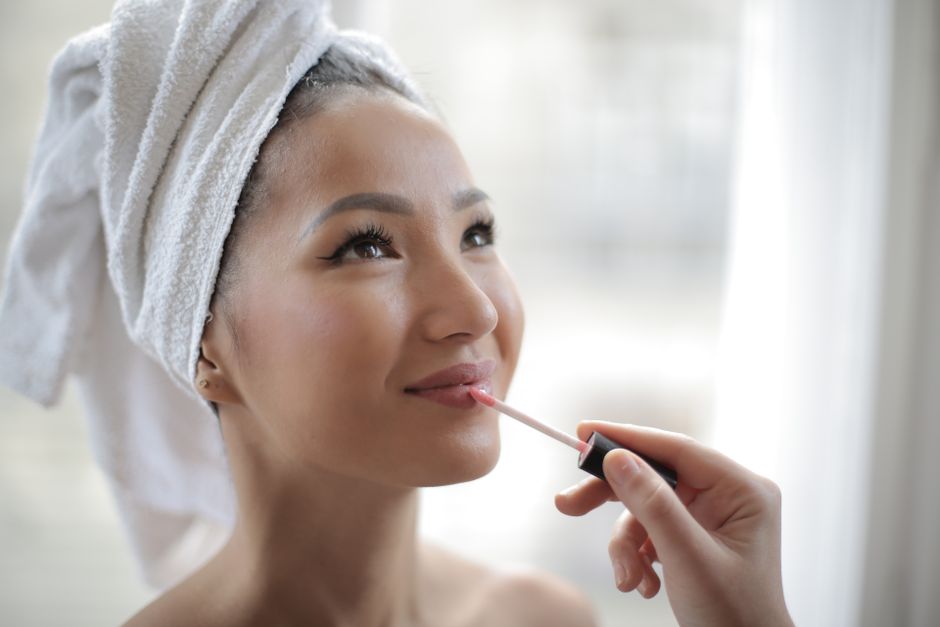
Picture this: you wash your face in the morning, look in the mirror, and the person looking back has skin that is genuinely radiant — even-toned, clear, and awake. Not the result of full-coverage foundation or a flattering filter. Just actual healthy skin. That is achievable. But it requires understanding what your skin actually needs, rather than repeating advice passed down through generations without questioning whether it holds up.
Traditional beauty practices rooted in Ayurveda center on skin health as a reflection of both internal balance and topical care. Some of those practices are extraordinarily well-founded. Others, looked at honestly, cause real damage. This guide draws that distinction clearly.
Why Your Skin Loses Its Glow and What Is Happening Below the Surface
Glow is not cosmetic. It is structural. Skin that looks radiant reflects light evenly across its surface. Dull skin scatters light inconsistently because the surface is uneven — and there are usually two overlapping reasons that happens.
Dead Cell Accumulation — The Primary Cause Most People Ignore
Your skin sheds approximately 30,000 to 40,000 dead cells per hour as part of its natural renewal process. When that process slows — because of age, dry climate, poor circulation, or product buildup — those cells accumulate on the surface instead of shedding naturally. What you are left with is a layer of flat, dead cells that absorbs light instead of reflecting it. The result looks gray, flat, and uneven.
No serum or moisturizer fixes this. You are hydrating the wrong cells. The living, light-reflecting cells underneath are blocked. This is why consistent exfoliation is the single highest-impact step for glow — and why people who start exfoliating regularly see results faster than those who add five new products to an un-exfoliated face.
The key word is consistent, not aggressive. Over-exfoliation — which we will cover in the mistakes section — causes more damage than no exfoliation at all.
How Dehydration Actually Shows on Skin
Skin dehydration and skin dryness are not the same thing. Dry skin lacks oil and is a skin type. Dehydration is a condition — a lack of water in the upper skin layers — and it affects every skin type, including oily skin. When skin cells are water-depleted, they lose plumpness and firmness. Light does not bounce off them the way it should. You get a slightly sunken, dull appearance even if nothing else has changed in your routine.
Drinking water improves overall skin health over months. But topical hydration is what actually changes how your skin looks within hours. Hyaluronic acid draws water into the upper dermis, creating visible plumpness almost immediately after application. This is the actual mechanism behind the glass skin trend — it is deeply hydrated skin, not a genetic gift.
Traditional Ingredients That Have Evidence Behind Them — and One That Does Not

Ayurvedic and home remedy traditions contain genuinely effective skincare ingredients. They also contain a few that have been repeated so often they feel authoritative — but cause measurable harm. Here is an honest breakdown of the most common ones.
| Ingredient | Claimed Benefit | Evidence Level | Key Risk |
|---|---|---|---|
| Turmeric (Haldi) | Anti-inflammatory, reduces pigmentation | Moderate — curcumin studies are promising | Temporarily stains skin; use sparingly |
| Raw Honey | Antibacterial, humectant, enzyme exfoliant | Strong — particularly Manuka honey | Low; avoid if allergic to bee products |
| Besan (Chickpea Flour) | Gentle physical exfoliant, oil absorption | Low formal evidence; solid anecdotal history | Over-drying if used daily |
| Rose Water | Anti-inflammatory toner, skin-soothing | Moderate — reduces redness in sensitive skin | Minimal; buy true hydrosol, not synthetic fragrance water |
| Lemon Juice | Vitamin C, brightening | Poor — pH too acidic for direct skin use | Chemical burns, phototoxicity, PIH risk |
| Sandalwood (Chandan) | Cooling, anti-inflammatory, mild astringent | Moderate — documented in dermatological use | Low; verify authentic powder, not synthetic fillers |
| Saffron (Kesar) | Brightening, antioxidant protection | Emerging — small studies show pigmentation benefits | Many commercial products use artificial coloring instead |
The two most useful ingredients from this list are raw honey (for barrier support and gentle enzymatic exfoliation) and turmeric (specifically for inflammation-driven dullness — the kind that follows breakouts or environmental stress). Lemon juice is the one to remove from your routine entirely, no exceptions.
If you want traditional ingredients in a stable, professionally formulated product, Kama Ayurveda Kumkumadi Brightening Ayurvedic Night Serum (~$45) is the best example of this category done correctly. It uses saffron, vetiver, and sandalwood in a sesame oil base at appropriate concentrations — none of the batch-to-batch inconsistency of DIY preparation. Forest Essentials Facial Ubtan (~$30) combines besan, turmeric, and sandalwood in a cleanser format that is measurably gentler than mixing your own at home, where particle size and pH are uncontrolled. For a budget-friendly entry point, Mamaearth Ubtan Face Wash (~$10) delivers a soap-free, skin-pH-appropriate formula with turmeric and saffron that does not strip the barrier.
A Morning Routine Built for Visible Glow — in the Right Order
Sequence matters more than individual product quality. You can use an excellent serum and see no results if it is applied in the wrong order or onto skin that has not been properly prepped. This five-step routine takes under 8 minutes and builds glow progressively over two to four weeks of consistency.
- Cleanse (30 seconds, gentle circular motion): Remove overnight sebum and any residue from the previous night. Cold-pressed jojoba oil massaged in and rinsed with a mild cleanser works for most skin types as a natural option. Mamaearth Ubtan Face Wash serves as a ready-made alternative at the same price point as a DIY supply run.
- Exfoliate three times per week — replacing the cleanse step, not adding to it: A traditional besan paste or Biotique Bio Papaya Revitalizing Tan-Removal Scrub (~$8), which contains papain — a natural enzyme from papaya — dissolves dead cells through chemical action rather than abrasive physical scrubbing. Enzyme exfoliation is more consistent and gentler than irregular manual scrubs.
- Tone with rose water or an active toner: Pure rose hydrosol (check the ingredient list for Rosa damascena flower water, not just “fragrance”) applied to damp skin preps it for better serum absorption. WOW Skin Science Apple Cider Vinegar Face Toner (~$12) uses diluted ACV with aloe gel — the dilution is precisely what makes it safe where undiluted lemon juice causes damage.
- Apply a brightening serum — this is the highest-impact step: The Ordinary Niacinamide 10% + Zinc 1% (~$6) is the most clinically validated brightening serum at any price point. Niacinamide inhibits the transfer of melanin to skin cells, reduces dark spots, controls excess sebum, and visibly improves skin texture within three to four weeks of daily use. Apply 3-4 drops and press gently — rubbing spreads it unevenly and reduces contact time.
- Moisturize and apply SPF: Every brightening action above is partially or fully reversed by unprotected UV exposure. Use at minimum SPF 30, broad-spectrum, every morning. This step is not optional. It is the reason most natural brightening routines either work or fail.
The Mistakes That Quietly Cancel Out Everything
Is lemon juice safe to apply directly to skin?
No. Lemon juice has a pH of approximately 2. Your skin’s natural acid mantle sits between 4.5 and 5.5. Applying something that acidic disrupts the protective barrier, causes phototoxic reactions — where UV light interacts with the juice on your skin and causes burns rather than a tan — and frequently triggers post-inflammatory hyperpigmentation. That means dark spots caused by the very treatment meant to remove them. The vitamin C in lemon juice is real. The delivery method is the problem. Ascorbic acid in skincare serums is stabilized at controlled concentrations in a formulated base. Lemon juice is unpredictable, degrades on contact with air, and sits at a pH that damages skin on every application.
How often should DIY face scrubs actually be used?
Twice a week maximum for dry or sensitive skin. Three times maximum for oily or combination skin. Besan, rice flour, and sugar scrubs work by physical abrasion. Used too often, they create micro-tears in the skin barrier, cause persistent redness, and result in the reactive, tight, over-sensitive skin that looks dull and blotchy from the outside. If your skin stings, looks unusually shiny, or feels tight after scrubbing, you are doing it too frequently — and no amount of moisturizer will compensate until you stop.
What happens when you skip SPF after brightening treatments?
Brightening treatments — turmeric masks, niacinamide serums, AHA exfoliants — either remove protective dead cell layers or suppress melanin production. Either way, the skin underneath has reduced built-in UV defense. Going outside without sunscreen after these treatments reverses the brightening faster than it was created. Sun exposure is responsible for approximately 80% of visible skin aging and is the primary driver of adult hyperpigmentation. No natural ingredient neutralizes UV radiation. A broad-spectrum SPF 30 sunscreen costing $8 outperforms every brightening serum on the market when it comes to preventing new dark spots from forming.
When to Bring In Targeted Actives Beyond Natural Ingredients
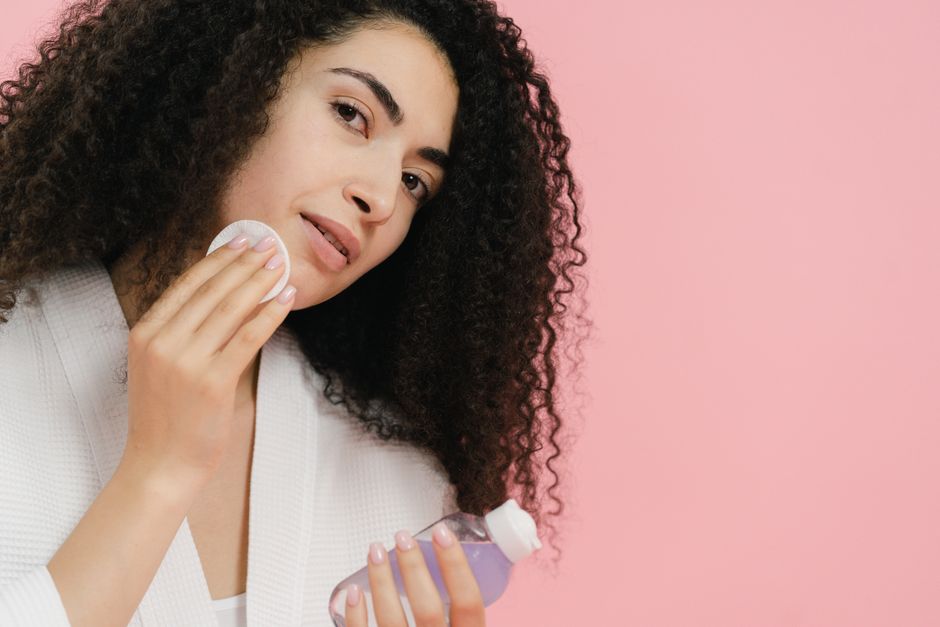
Natural ingredients excel at maintaining healthy skin and preventing new damage. They are significantly less effective at correcting established hyperpigmentation, years of accumulated sun damage, or deep textural irregularities. For those goals, targeted actives work at a biochemical level that passive traditional ingredients cannot reach.
My pick for pigmentation correction: Minimalist 2% Alpha Arbutin + 1% Hyaluronic Acid (~$8). Alpha arbutin inhibits tyrosinase — the enzyme that produces melanin — in a more stable, less sensitizing way than hydroquinone. Paired with hyaluronic acid for simultaneous hydration, this is one of the most effective budget brightening serums on the market. Use it at night, on cleansed and toned skin, before moisturizer. Results are measurable within four to six weeks.
For oily skin dealing with dullness and uneven texture: The Ordinary Glycolic Acid 7% Toning Solution (~$10) used twice a week eliminates the need for multiple DIY exfoliating masks. Glycolic acid removes dead cells more evenly and consistently than any physical scrub, and the improvement in skin texture and brightness is visible within two weeks for most people.
Start with one new active at a time. Introducing niacinamide, vitamin C, alpha arbutin, and glycolic acid simultaneously before your skin has adapted is a reliable path to irritation, purging, and persistent redness — which looks nothing like glow. Three weeks per new product, minimum, before adding anything else.
Natural routines and skincare actives are not competing approaches. Traditional ingredients like raw honey and turmeric keep inflammation low and the skin barrier intact. Actives like alpha arbutin and niacinamide correct pigmentation at a cellular level that no amount of ubtan can reach. Used together, they address every dimension of what makes skin actually radiant.
Tags: Ayurvedic beauty, glowing skin, hyperpigmentation, natural skincare, skin brightening, skincare routine